Cooking creates some of the best smells in a home or restaurant—but those aromas aren't always as appealing several hours later. Frying oils, grilled foods, spices, smoke, and other cooking processes can release airborne compounds that linger long after a meal is finished.
For kitchens using recirculating range hoods, simply capturing grease isn't enough. The air is ultimately returned to the room, which means odor-causing gases and vapors need another form of filtration.
That's where activated carbon comes in.
At Activated Carbon Depot, we supply activated carbon for kitchen hoods and vapor filtration systems designed to adsorb many of the airborne compounds responsible for persistent cooking odors. Activated carbon works differently from the metal mesh and grease filters commonly found inside kitchen ventilation systems, making the two filtration methods complementary rather than interchangeable.
In this guide, we'll explain how activated carbon filters remove cooking odors, why pellet activated carbon works well for vapor-phase filtration, and what to consider when maintaining or replacing carbon in a kitchen hood.
Why Do Cooking Odors Linger?
When food is heated, fried, baked, or grilled, it can release a complex mixture of gases, vapors, aerosols, and particles into the surrounding air.
A kitchen hood captures much of this contaminated air before it spreads throughout the building. However, what happens next depends heavily on the type of ventilation system.
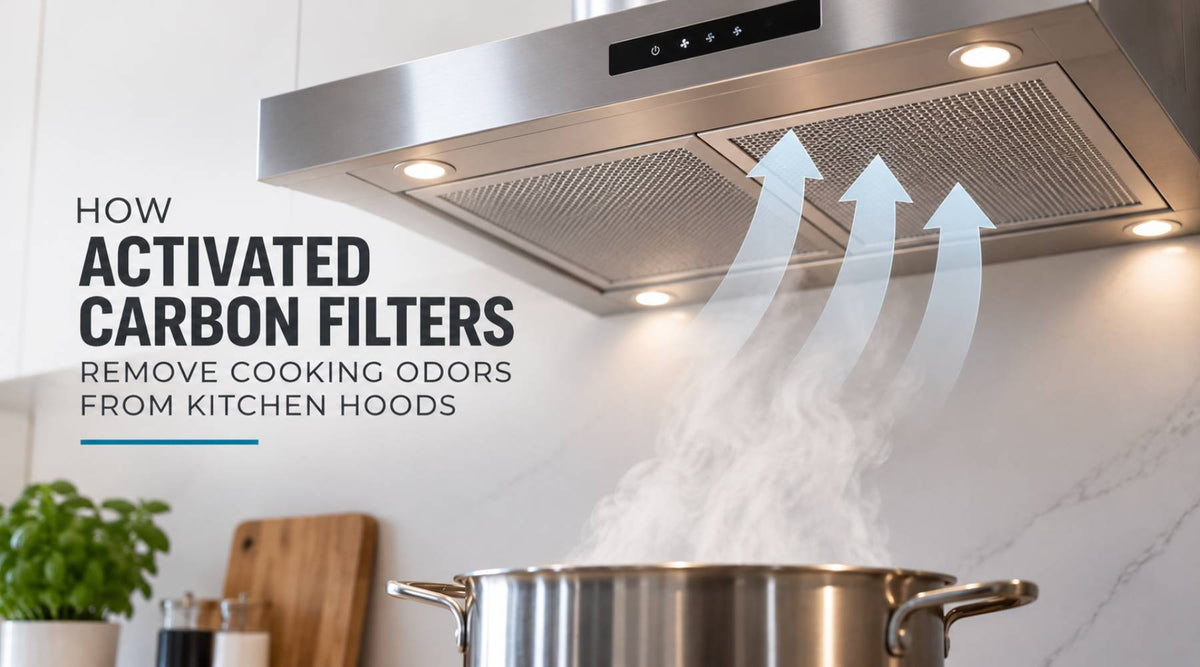
A ducted kitchen hood exhausts captured air outdoors. A recirculating or ductless hood filters the air and returns it to the kitchen.
That distinction is important because a standard grease filter primarily captures airborne grease droplets and larger particles. Many of the molecules responsible for cooking odors are present in the vapor or gas phase and can pass through conventional particulate filters.
An additional filtration stage is therefore needed if the system is expected to reduce odors before recirculating the air.
How Does Activated Carbon Remove Cooking Odors?
Activated carbon removes many airborne compounds through a process known as adsorption.
Adsorption should not be confused with absorption.
During absorption, one material is taken into another material. During adsorption, molecules adhere to the extensive internal surface of the activated carbon.
Activated carbon is manufactured to contain an enormous network of microscopic pores. As contaminated air travels through a bed of activated carbon, certain molecules are attracted to and retained on these internal surfaces.
This is what makes activated carbon especially useful for air and vapor filtration.
Instead of simply trapping visible particles, the carbon can target molecular contaminants that would otherwise pass through conventional particulate filtration.
For kitchen ventilation, this capability can help reduce many of the organic compounds contributing to cooking odors.
Grease Filters and Carbon Filters Perform Different Jobs
One of the most important things to understand about kitchen hood filtration is that a grease filter and an activated carbon filter aren't the same thing.
Grease Filters
Grease filters are designed primarily to capture:
- Grease droplets
- Oil aerosols
- Food particles
- Larger airborne contaminants
Metal mesh, baffle, and other mechanical filters are commonly used for this purpose.
Activated Carbon Filters
Activated carbon is designed primarily for gas- and vapor-phase contaminants, including many compounds responsible for unwanted odors.
In a properly configured recirculating system, air will generally encounter mechanical or grease filtration before reaching the activated carbon.
This arrangement is important.
Allowing excessive grease to accumulate directly on activated carbon can coat its surface and interfere with access to the pore structure responsible for adsorption.
Think of the filtration process as two different jobs:
Grease filtration captures particles and aerosols. Activated carbon addresses many of the remaining gaseous and vapor-phase contaminants.
Using both appropriately can provide substantially more complete filtration than relying on either method alone.
Why Activated Carbon Is So Effective for Odor Filtration
Activated carbon may look relatively simple from the outside, but its internal structure is anything but simple.
During manufacturing, carbon-rich material is processed and activated to develop an extensive pore network. Those pores create a tremendous amount of internal surface area within a comparatively small amount of media.
That surface area provides sites where contaminant molecules can adsorb.
For kitchen applications, activated carbon is particularly useful because many troublesome cooking odors originate from organic compounds carried through the air.
Rather than masking these odors with fragrances, activated carbon works by physically adsorbing many of the molecules responsible for them.
Why Pellet Activated Carbon Works Well in Kitchen Hoods
Activated carbon is available in several physical forms, including:
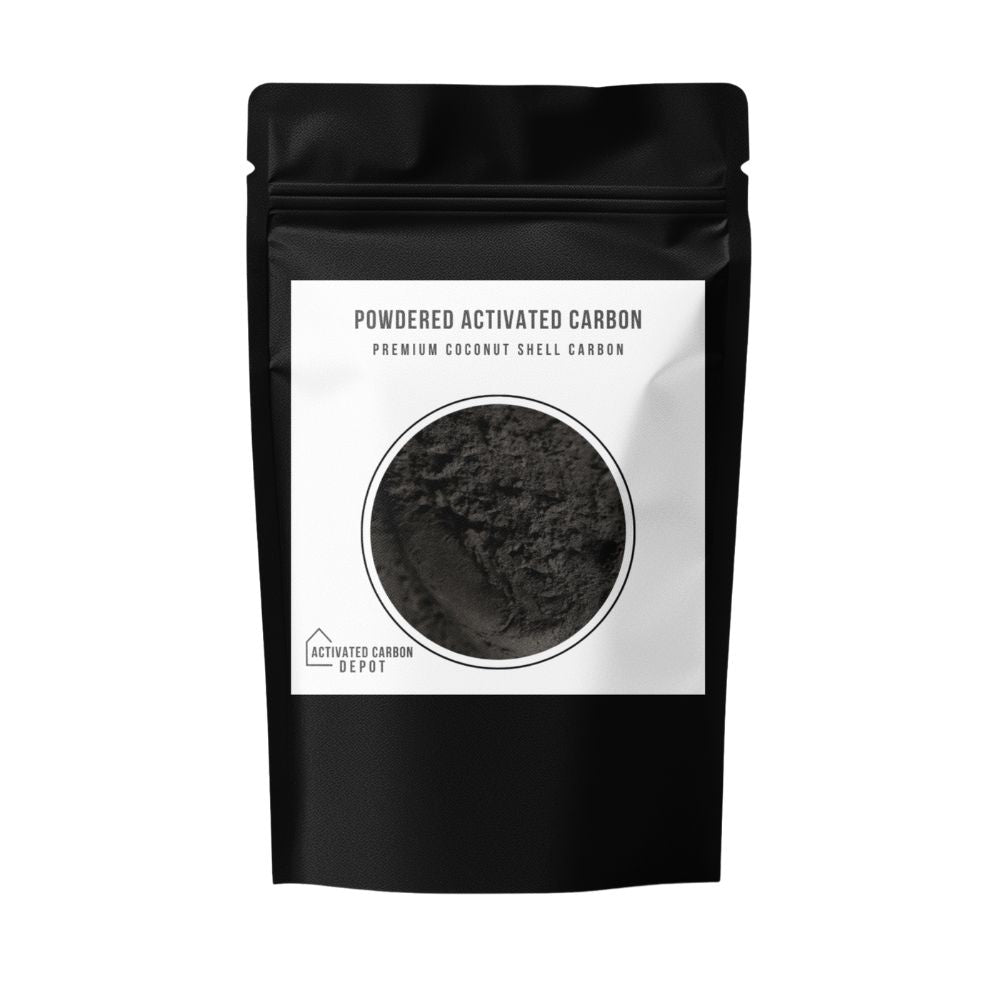
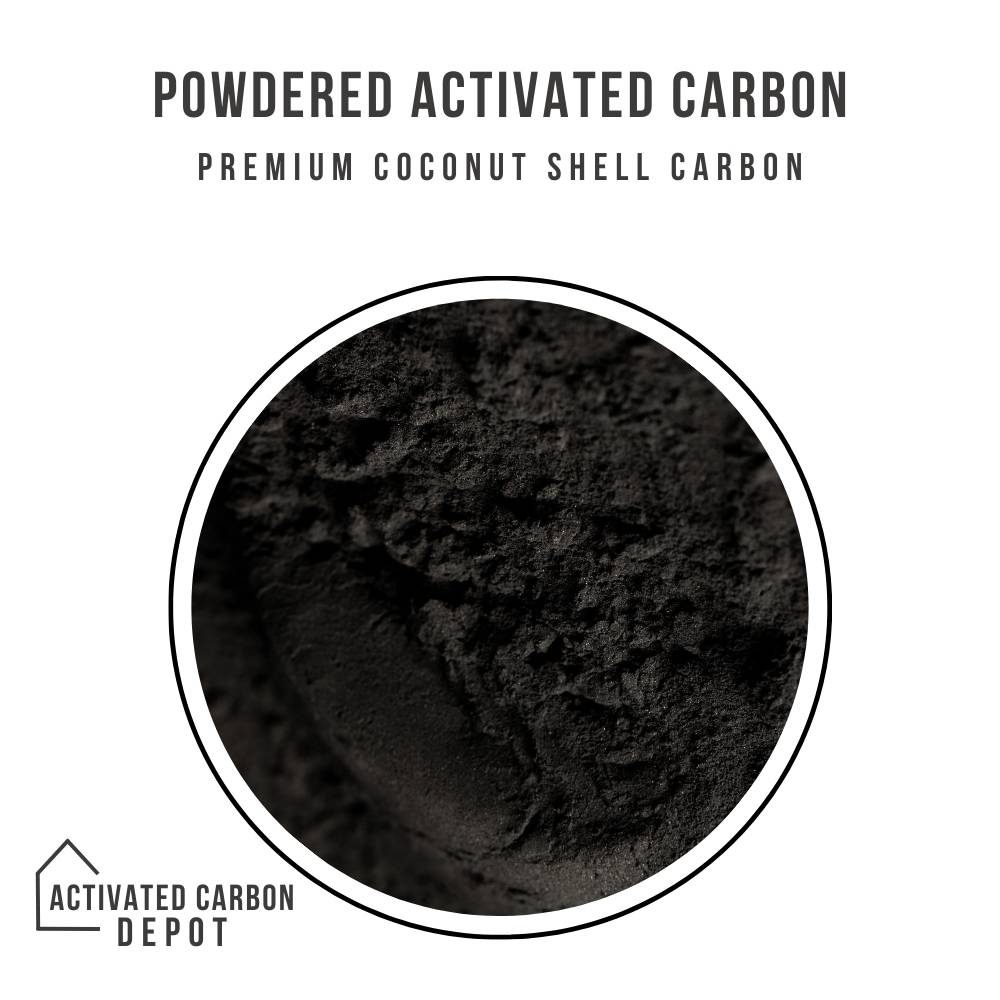
- Powdered activated carbon
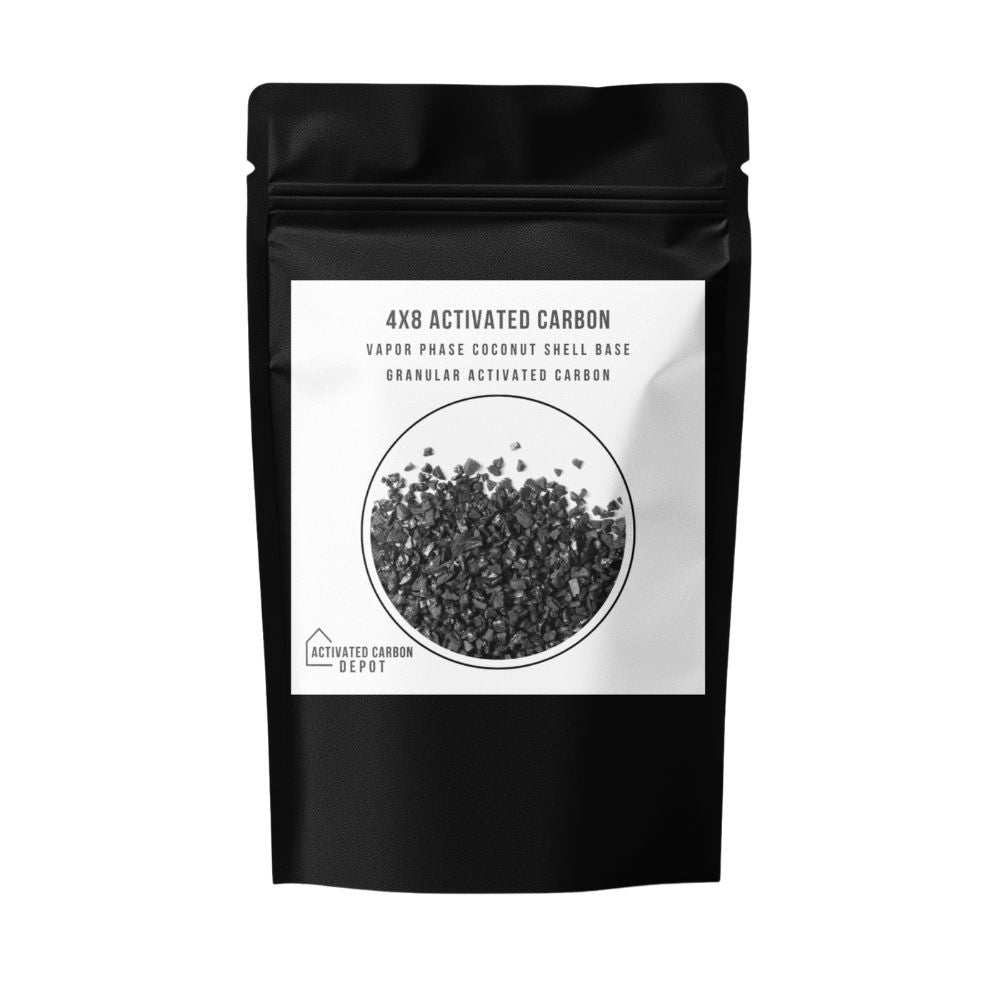
- Granular activated carbon
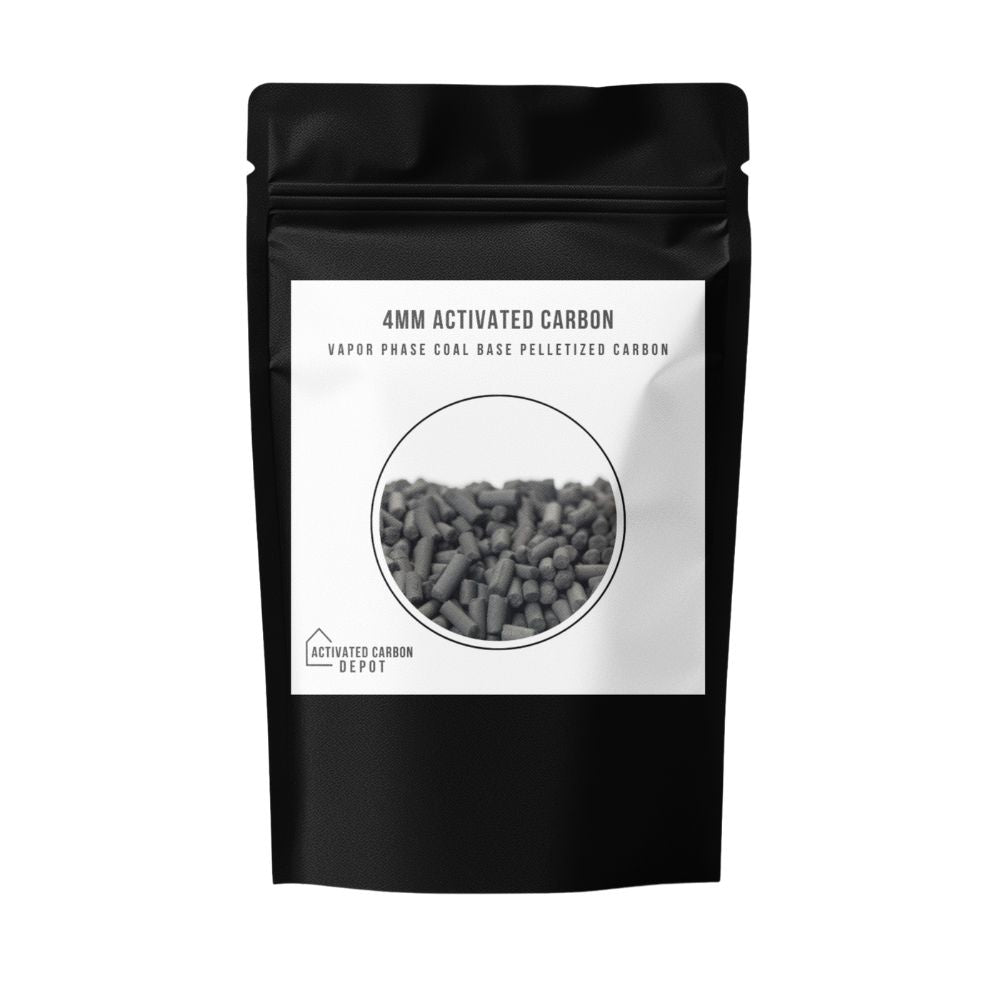
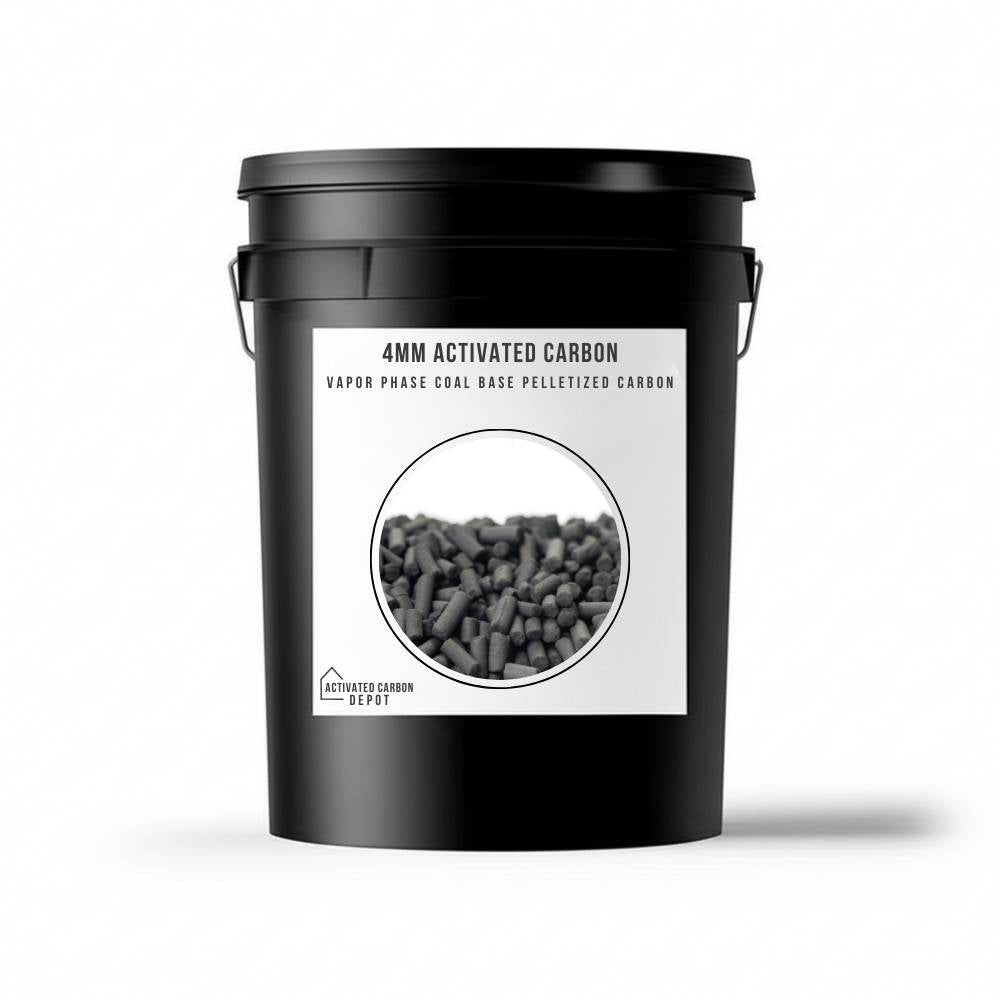
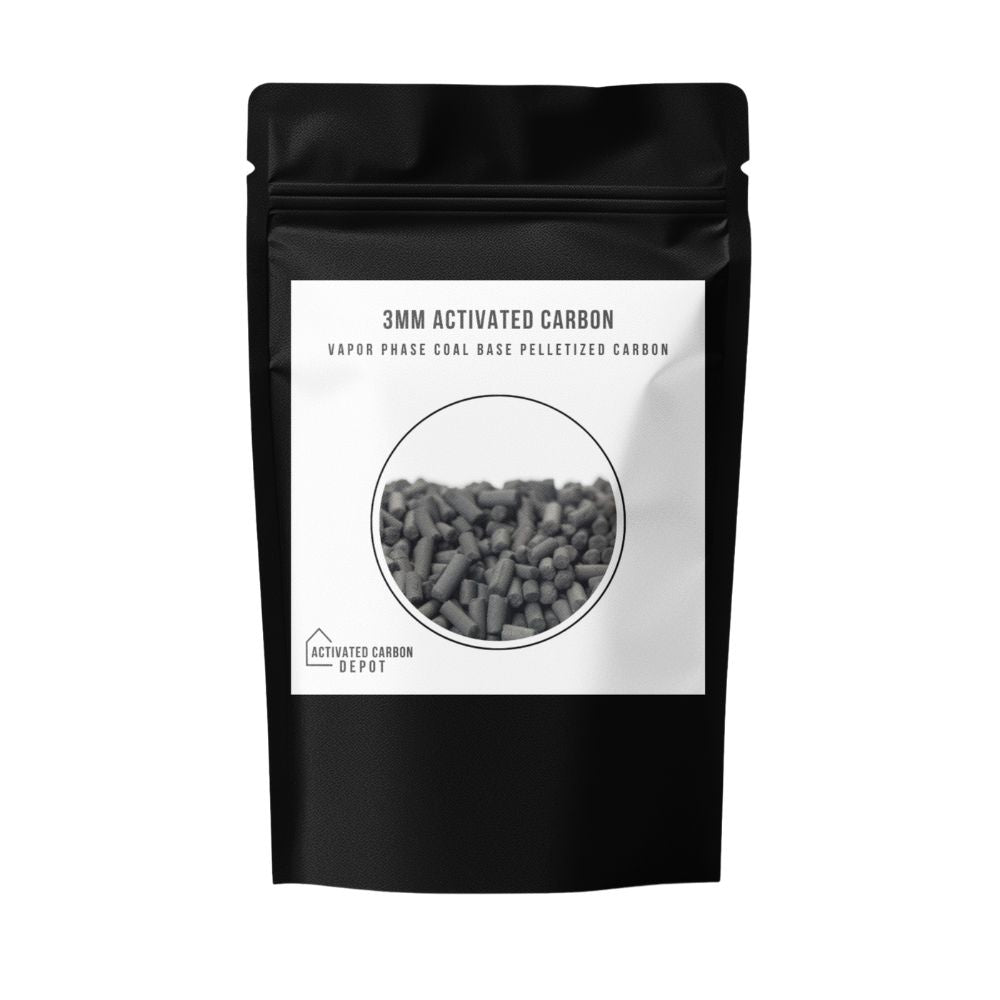
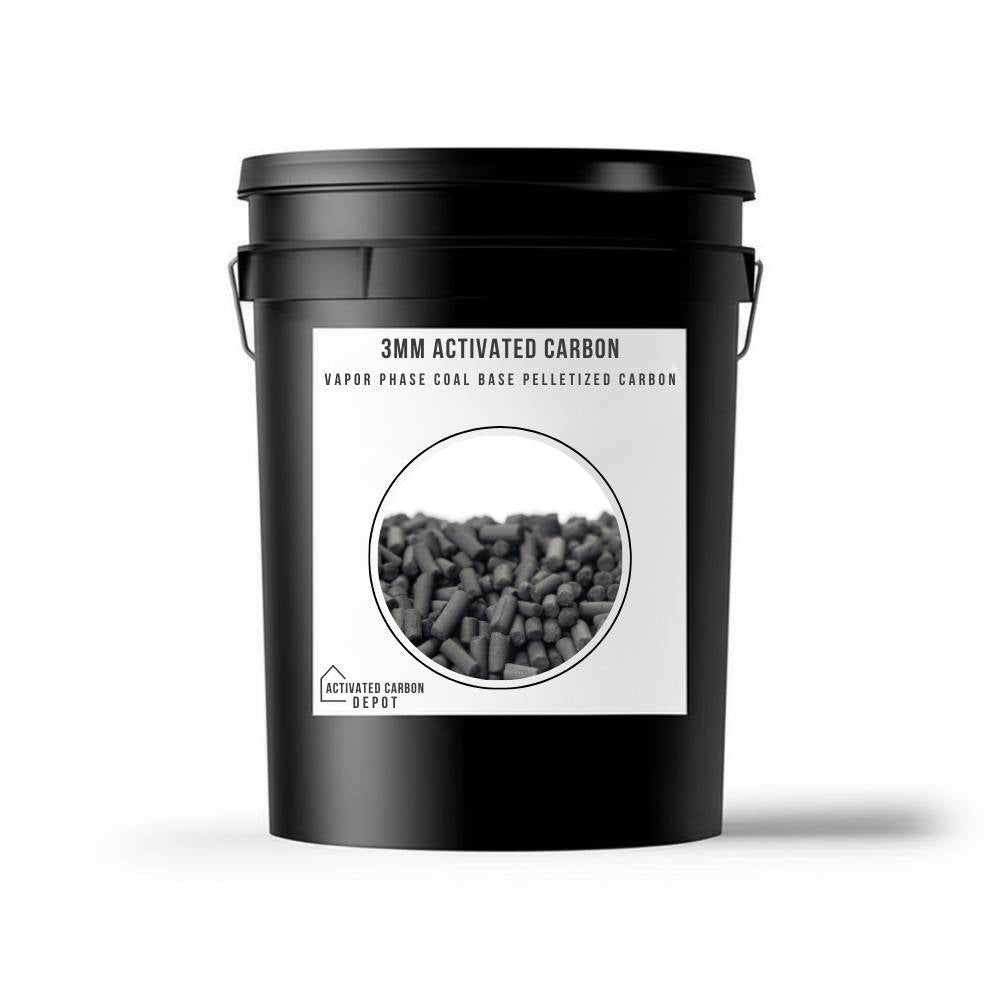
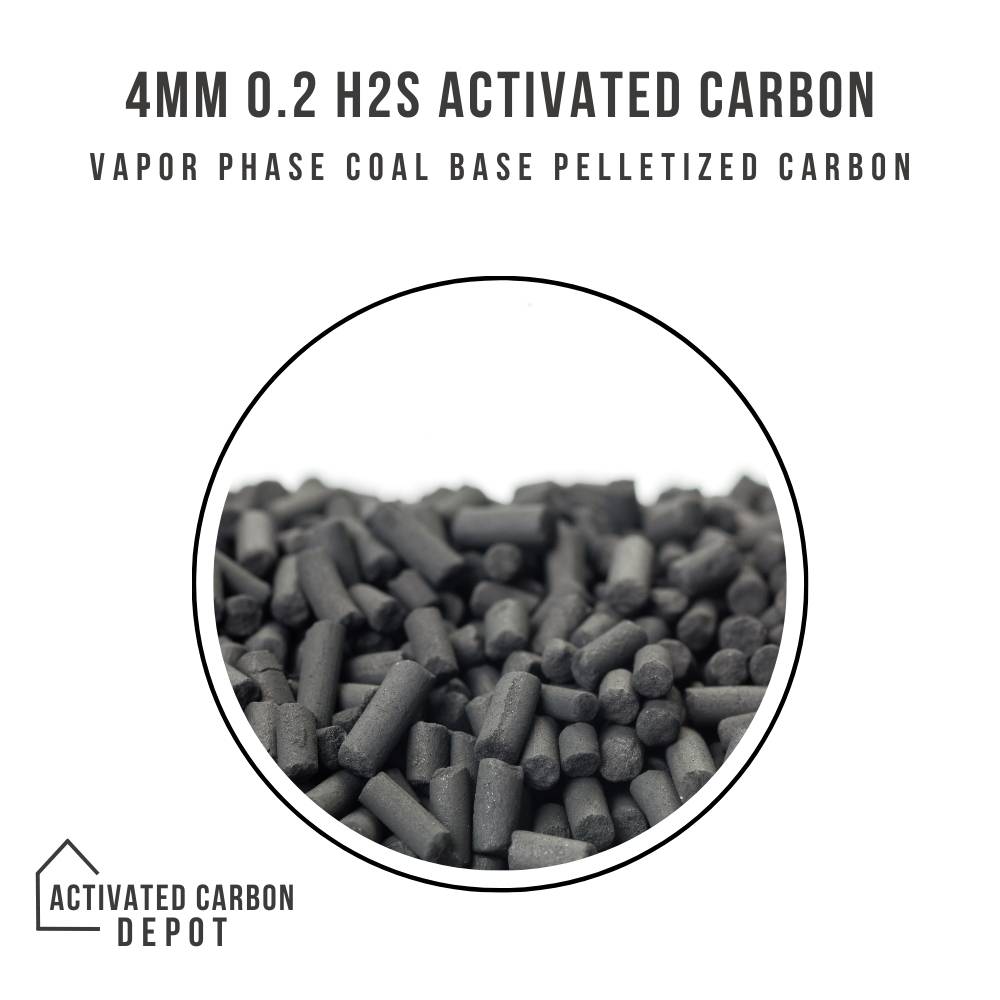
- Extruded activated carbon pellets
For many air and vapor filtration applications, pelletized activated carbon offers important advantages.
Pellets provide a relatively uniform media bed that allows air to travel through the carbon while maintaining substantial contact with the adsorbent.
Depending on system design, pellet carbon can offer a useful combination of:
- High adsorption capacity
- Consistent particle dimensions
- Good airflow characteristics
- Lower dust than powdered carbon
- Convenient handling
- Effective packing within refillable filter housings
These characteristics make pelletized carbon a practical option for kitchen hood filters and other vapor-phase filtration equipment.
Ducted vs. Recirculating Kitchen Hoods
Whether activated carbon is necessary depends largely on how the hood handles filtered air.
Ducted Range Hoods
A ducted range hood captures cooking air and exhausts it outdoors.
These systems commonly rely heavily on grease filtration because the remaining air is discharged outside rather than returned to the kitchen.
Some specialized systems may incorporate additional filtration, but activated carbon is generally more important when air is recirculated.
Recirculating or Ductless Range Hoods
A recirculating hood doesn't exhaust the captured air outside.
Instead, the hood draws air through its filtration system and releases it back into the room.
Because the air remains indoors, odor control becomes much more important.
A typical system may follow a filtration sequence similar to:
Cooking air → grease filter → activated carbon filter → filtered air returned to kitchen
Activated carbon therefore serves as an important polishing stage for many ductless and recirculating systems.
Does Activated Carbon Remove Smoke?
Activated carbon can adsorb many gaseous and vapor-phase compounds associated with smoke and cooking.
However, smoke is complicated.
It can contain both particles and gaseous contaminants.
Activated carbon shouldn't be expected to function as the sole filtration method for smoke. Particle filtration and proper ventilation may also be required depending on the application.
This is another reason multi-stage kitchen filtration is so important.
Different filtration media target different types of contaminants.
Why Carbon Eventually Needs to Be Replaced
Activated carbon doesn't continue adsorbing contaminants indefinitely.
Every carbon bed has a finite adsorption capacity.
As air passes through the filter, contaminant molecules gradually occupy available adsorption sites. Eventually, the carbon becomes sufficiently loaded that its ability to capture additional contaminants declines.
This is often called carbon breakthrough.
One of the easiest signs to recognize in a kitchen hood is the return of noticeable cooking odors.
If the hood previously controlled odors effectively but those odors begin passing through the system more readily, the carbon may be approaching the end of its useful service life.
How Often Should Kitchen Hood Activated Carbon Be Replaced?
There isn't one replacement interval that works for every kitchen.
Carbon service life depends on several variables, including:
- How frequently the kitchen is used
- Types of food being prepared
- Amount of frying or grilling
- Contaminant concentration
- Quantity of carbon in the filter
- Airflow
- Contact time
- Condition of the grease filter
- Filter and hood design
A household that cooks lightly several times per week may place a very different contaminant load on its carbon than a kitchen where frying occurs daily.
For this reason, the hood manufacturer's maintenance recommendations should always be the starting point.
For refillable carbon filters, users should also pay attention to changes in odor control and overall filtration performance.
Keeping the Grease Filter Clean Can Help Protect the Carbon
Maintenance of the upstream grease filter matters for more than just grease control.
If grease and oil are allowed to pass downstream, they can contaminate the activated carbon bed.
That can reduce the effective surface available for adsorption and potentially shorten the carbon's useful service life.
Regularly cleaning or replacing the appropriate grease filtration components therefore helps protect the downstream carbon stage.
This is especially important in kitchens where frying and high-temperature cooking occur frequently.
Can You Refill a Kitchen Hood Carbon Filter?
Some kitchen hood filters are disposable cartridges designed to be replaced as a complete assembly. Others use housings or filter boxes that can potentially be opened and refilled with fresh activated carbon.
Before attempting to refill a filter, confirm that the filter housing was designed for media replacement.
If it is refillable, several factors matter:
- Correct carbon type
- Appropriate pellet dimensions
- Proper fill quantity
- Uniform packing
- Adequate airflow
- Secure closure of the housing
Overpacking a filter can increase airflow resistance, while underfilling may allow air to bypass the carbon bed and reduce contact time.
Always follow the equipment manufacturer's specifications when available.
Choosing Activated Carbon for a Kitchen Hood
For odor filtration, simply buying something labeled "charcoal" isn't enough.
Carbon intended for vapor filtration should provide the physical characteristics necessary for efficient adsorption and airflow.
When selecting replacement media, we recommend considering:
Carbon Form
Pelletized activated carbon is often an excellent choice for refillable vapor-phase filters.
Pellet Size
The pellet diameter influences both airflow and available contact with the carbon.
The existing equipment design should determine the appropriate media size whenever the manufacturer provides a specification.
Adsorption Capacity
Higher-quality activated carbon generally provides well-developed pore structure and predictable adsorption characteristics.
Hardness
Strong pellets are less likely to break apart during shipping, handling, and use.
Dust
Excessive fines can create handling issues and may negatively affect airflow through certain filter configurations.
These factors become increasingly important in systems where carbon is being purchased as replacement media rather than as a preassembled filter.
Activated Carbon for Residential and Commercial Kitchen Applications
Activated carbon filtration isn't limited to household range hoods.
The same fundamental adsorption principles are used throughout commercial and industrial odor-control systems.
Potential applications can include:
- Residential recirculating range hoods
- Commercial kitchen odor filtration
- Restaurant ventilation equipment
- Food preparation areas
- Specialty recirculating ventilation systems
- Custom odor-control equipment
However, commercial kitchens can have substantially higher contaminant loads and more complex fire, ventilation, and code requirements than residential kitchens. Carbon filtration should therefore be integrated according to the equipment manufacturer's specifications and applicable ventilation requirements.
Activated Carbon Doesn't Replace Proper Kitchen Ventilation
Activated carbon is an effective filtration media, but it isn't a substitute for adequate ventilation.
Kitchen ventilation systems may need to manage:
- Heat
- Humidity
- Grease
- Particulate matter
- Combustion products
- Gases and vapors
- Odors
Activated carbon addresses only part of that equation.
For this reason, we recommend treating carbon as one component of a complete ventilation and filtration strategy.
Why Carbon Quality Matters
A kitchen hood is essentially forcing contaminated air through a relatively small filtration area.
That means the physical and adsorption characteristics of the carbon matter.
Low-quality or poorly sized carbon can introduce issues such as:
- Excessive dust
- Pellet breakage
- Inconsistent airflow
- Reduced adsorption performance
- Premature odor breakthrough
A consistent, properly selected pellet activated carbon provides a more dependable media bed for vapor-phase filtration.
Activated Carbon for Kitchen Hoods From Activated Carbon Depot
At Activated Carbon Depot, we supply activated carbon for customers who need dependable replacement media for kitchen hoods and other air and vapor filtration applications.
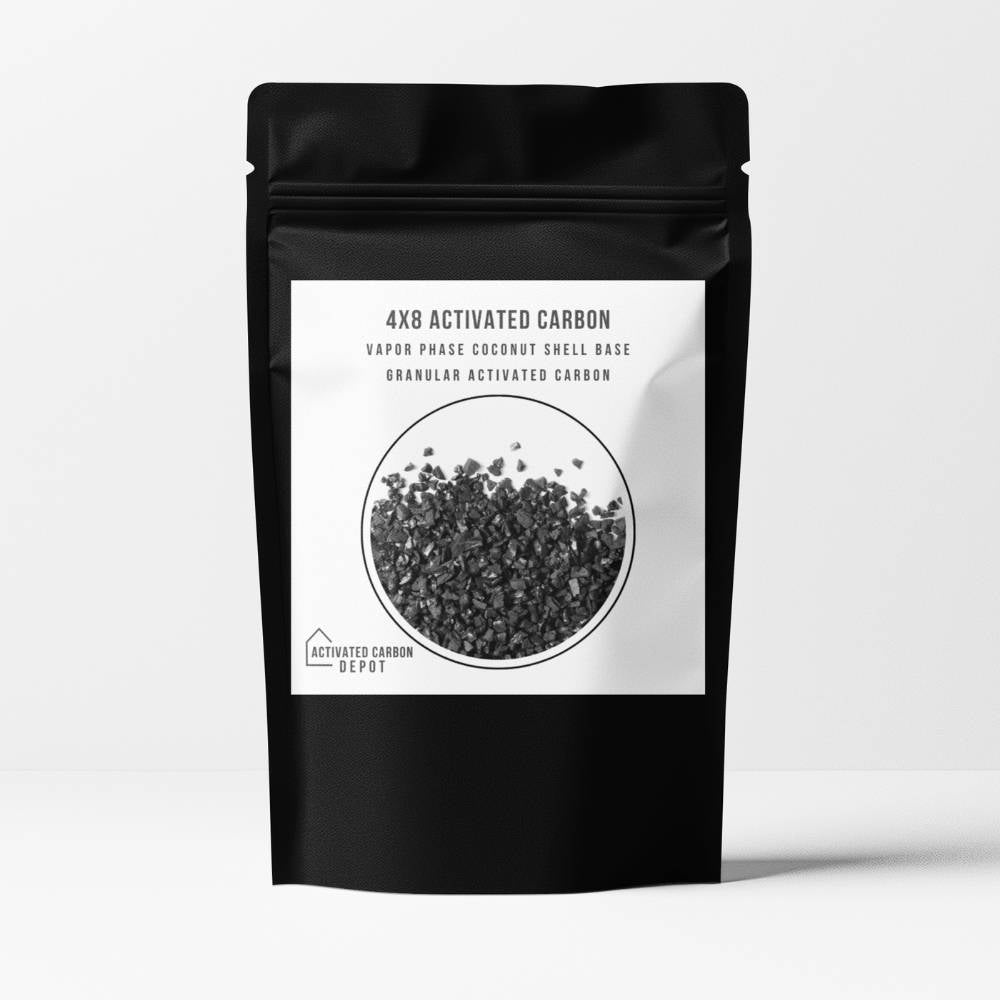
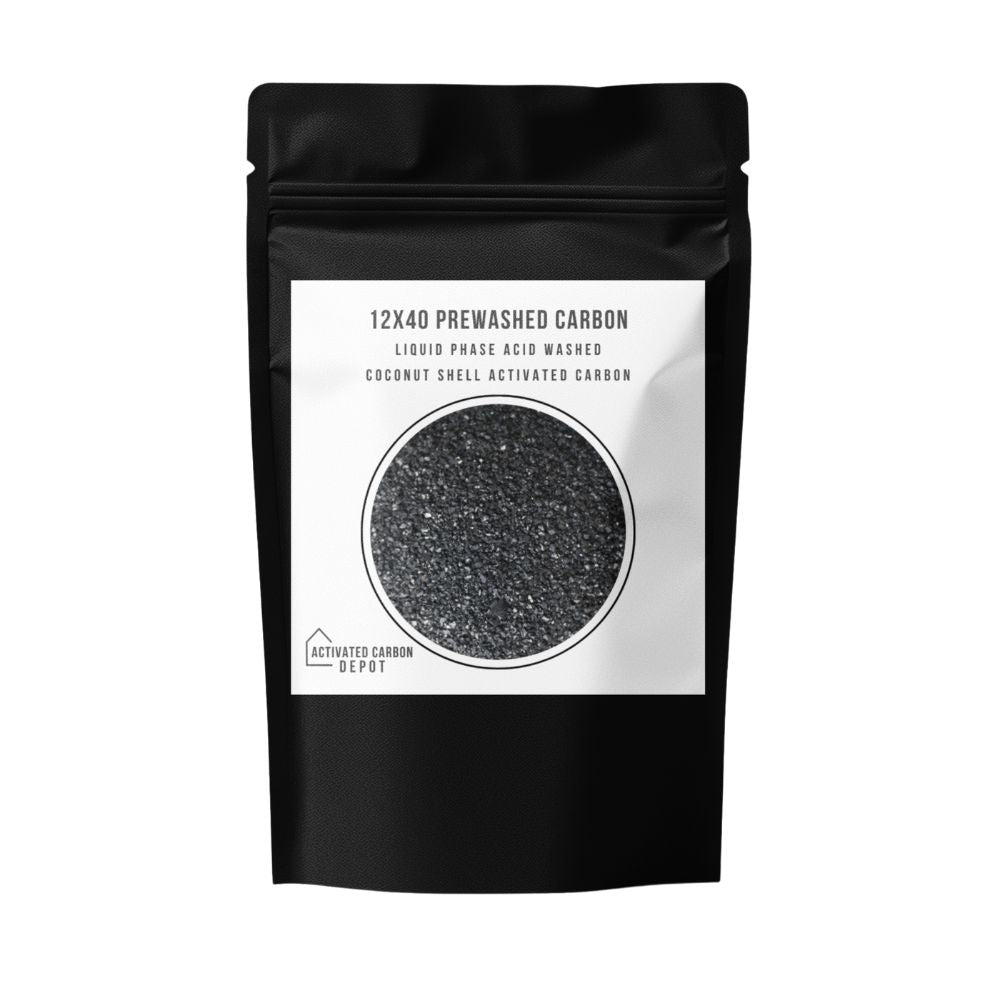
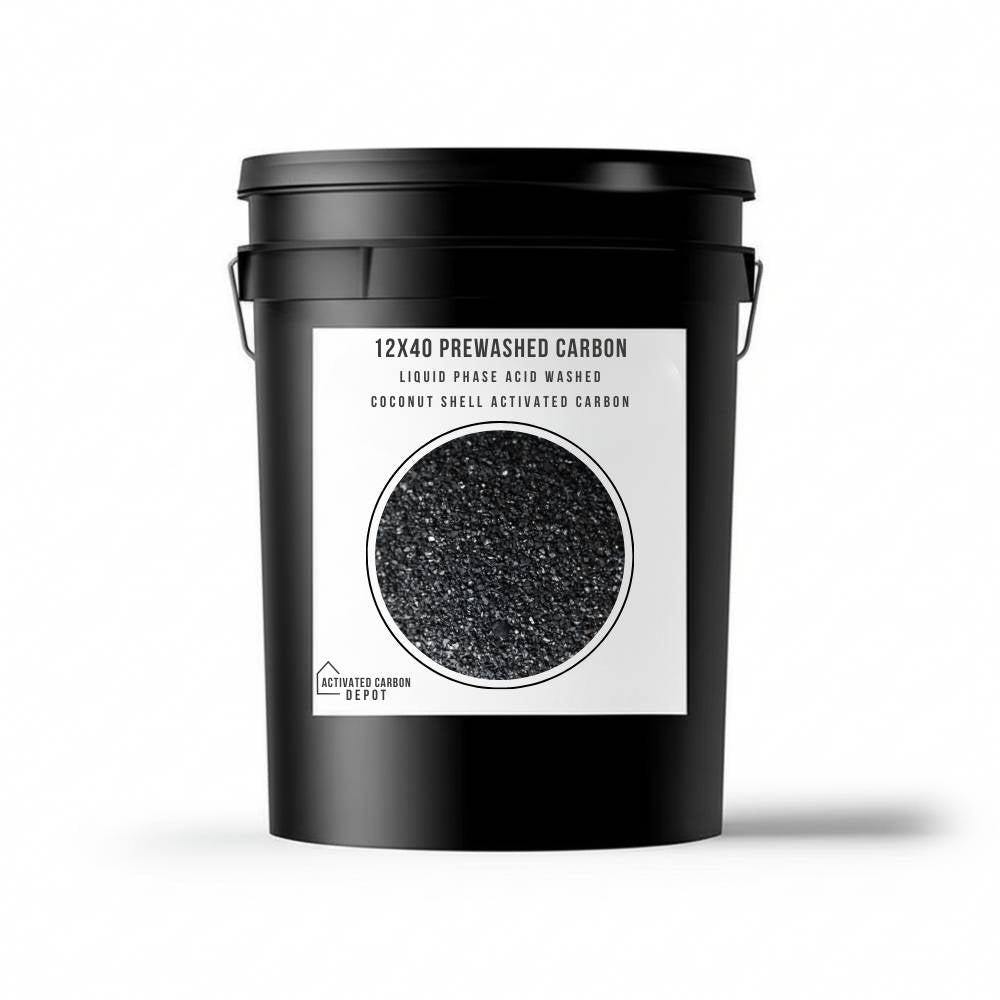
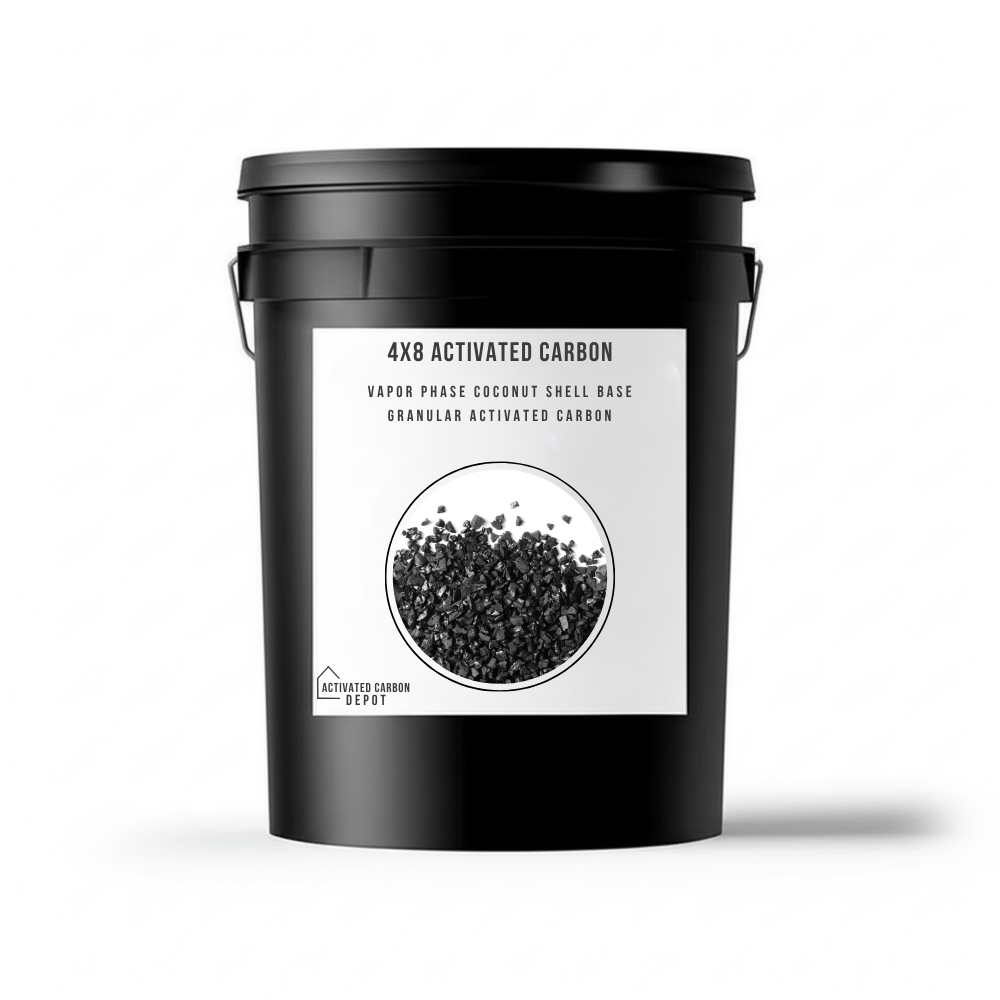
Our Activated Carbon for Kitchen Hoods provides pelletized carbon suited for vapor-phase odor filtration applications.
For customers with refillable systems, purchasing replacement activated carbon can also provide an alternative to replacing an entire filter assembly when the existing housing is specifically designed to accept fresh media.
Whether you're maintaining a residential range hood, servicing filtration equipment, or sourcing carbon for a larger odor-control system, selecting the proper media is an important part of maintaining filtration performance.
Cooking odors are difficult to control because many of the compounds responsible for them exist as gases and vapors rather than particles. That's precisely where activated carbon becomes useful.
Mechanical grease filters capture oil droplets and larger contaminants, while activated carbon provides a second filtration mechanism by adsorbing many of the molecular compounds responsible for persistent odors. For recirculating kitchen hoods in particular, that combination can make a significant difference in the quality of the air returned to the room.
When the existing filter is designed to be refillable, choosing high-quality pellet activated carbon with the appropriate physical characteristics can help maintain effective odor filtration while preserving proper airflow.
At Activated Carbon Depot, we're proud to provide activated carbon for kitchen hoods and other specialized air and vapor filtration applications.
Shop Activated Carbon for Kitchen Hoods
Premium pelletized activated carbon for kitchen hood odor filtration and vapor-phase air filtration applications: