Cooking produces more than just great food—it also generates smoke, grease vapors, and strong odors that can quickly build up in your kitchen. Whether you're running a commercial kitchen or managing airflow in a residential setup, controlling these emissions is essential for air quality, cleanliness, and overall comfort.
At Activated Carbon Depot, we've worked with a wide range of air filtration applications, and kitchen hood systems are one of the most common environments where high-quality activated carbon makes a measurable difference. When properly selected, activated carbon doesn't just reduce odors—it eliminates them at the molecular level.
In this guide, we'll break down how activated carbon works in kitchen hoods, why it's critical for odor control, and how to choose the right carbon to keep your space clean and compliant.
Why Kitchen Hoods Need More Than Just Ventilation
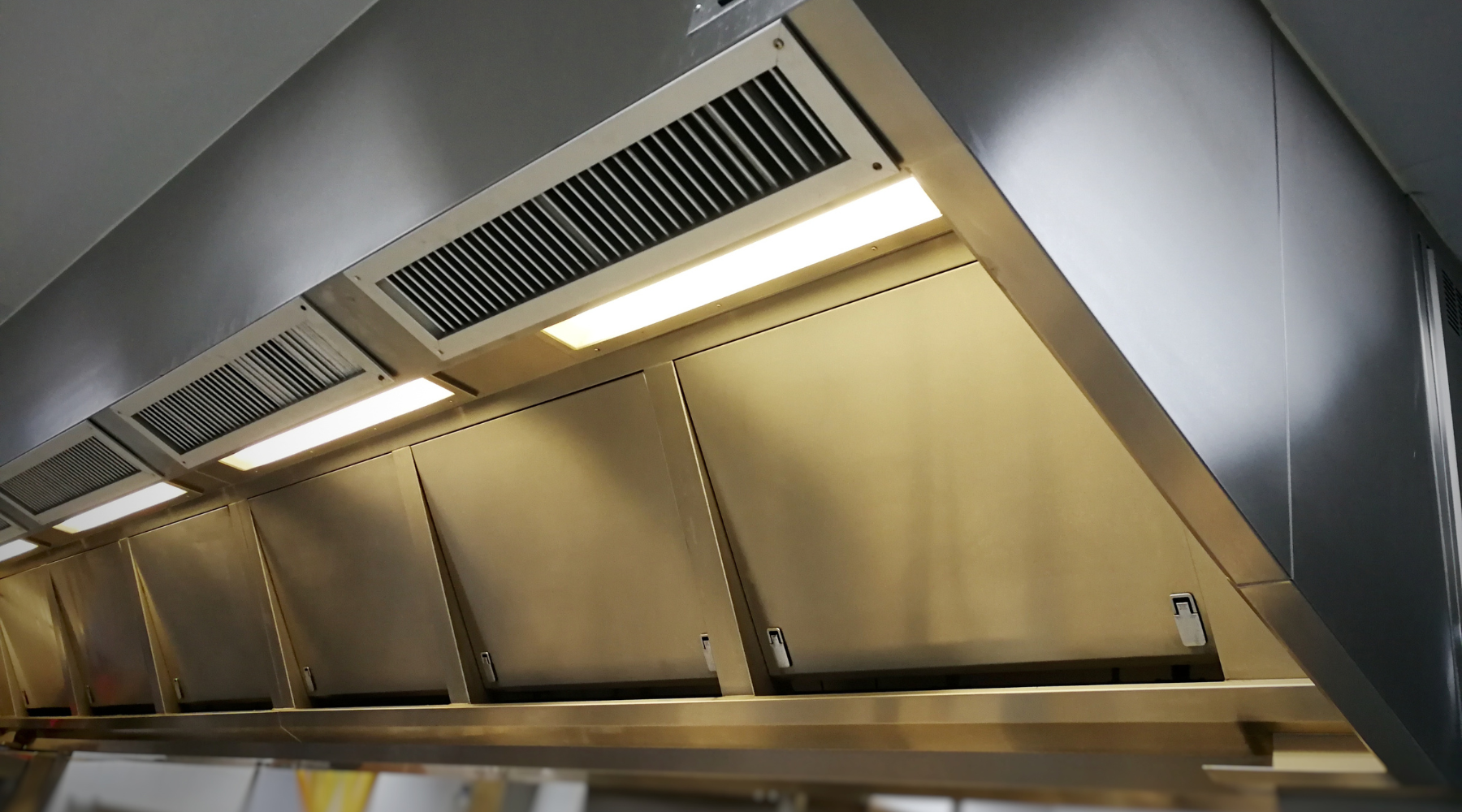
Most kitchen hood systems are designed to remove heat, smoke, and airborne grease. However, traditional ventilation alone does not fully eliminate odors or gaseous contaminants.
Cooking releases:
- Grease vapors
- Smoke particles
- Volatile organic compounds (VOCs)
- Strong food odors (especially from frying, grilling, and spices)
Even with proper airflow, these compounds can linger, travel through ductwork, or escape into surrounding areas.
From our experience, this is where many systems fall short—they move air, but they don't clean it.

How Activated Carbon Filters Kitchen Air
Activated carbon is uniquely effective for vapor-phase filtration. Through thermal activation, carbon develops a highly porous structure with an enormous surface area. This allows it to capture and hold odor-causing molecules through adsorption.
What Activated Carbon Removes:
- Cooking odors (onion, garlic, grease, etc.)
- Smoke-related VOCs
- Airborne chemical compounds from cooking oils
- Residual smells that pass through grease filters
Instead of masking odors, activated carbon binds them to its surface, preventing them from recirculating into the air.
At Activated Carbon Depot, we focus on high-performance vapor-phase carbon because kitchen applications require consistent, reliable odor control under continuous use.
The Role of Carbon in Commercial vs. Residential Systems
Commercial Kitchens
Restaurants, food trucks, and commercial facilities generate high volumes of smoke and odor. Activated carbon is often used in:
- Recirculating hood systems
- Ducted exhaust filtration
- Odor control units for compliance with local regulations
In these environments, carbon performance directly impacts:
- Air quality
- Customer experience
- Regulatory compliance
Residential Kitchens
Home kitchens benefit from carbon filtration in:
- Recirculating range hoods
- Indoor cooking setups
- Apartments or spaces without external venting
We often see homeowners upgrading their systems with better carbon to eliminate persistent cooking smells that standard filters can't handle.
Why Carbon Quality Matters in Kitchen Hood Systems
Not all carbon filters are built for heavy-duty kitchen use. Low-quality carbon can quickly become saturated or fail to capture odor molecules effectively.
Common issues we see with inferior carbon:
- Odors returning quickly after installation
- Poor airflow due to inconsistent particle size
- Dust buildup that reduces system efficiency
- Short lifespan under continuous cooking conditions
What We Recommend:
- Thermally activated carbon for superior adsorption
- Consistent granule or pellet sizing for airflow balance
- Low dust content to protect system components
- High surface area for maximum odor removal
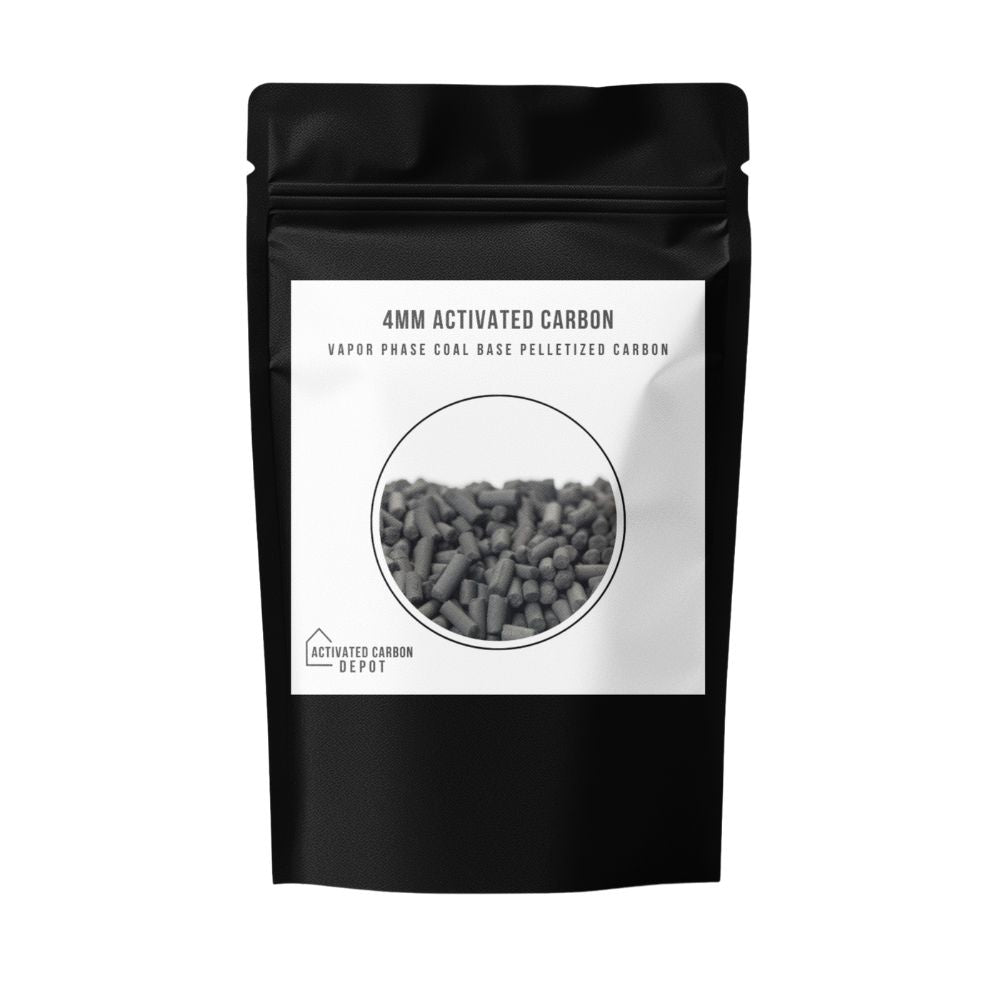
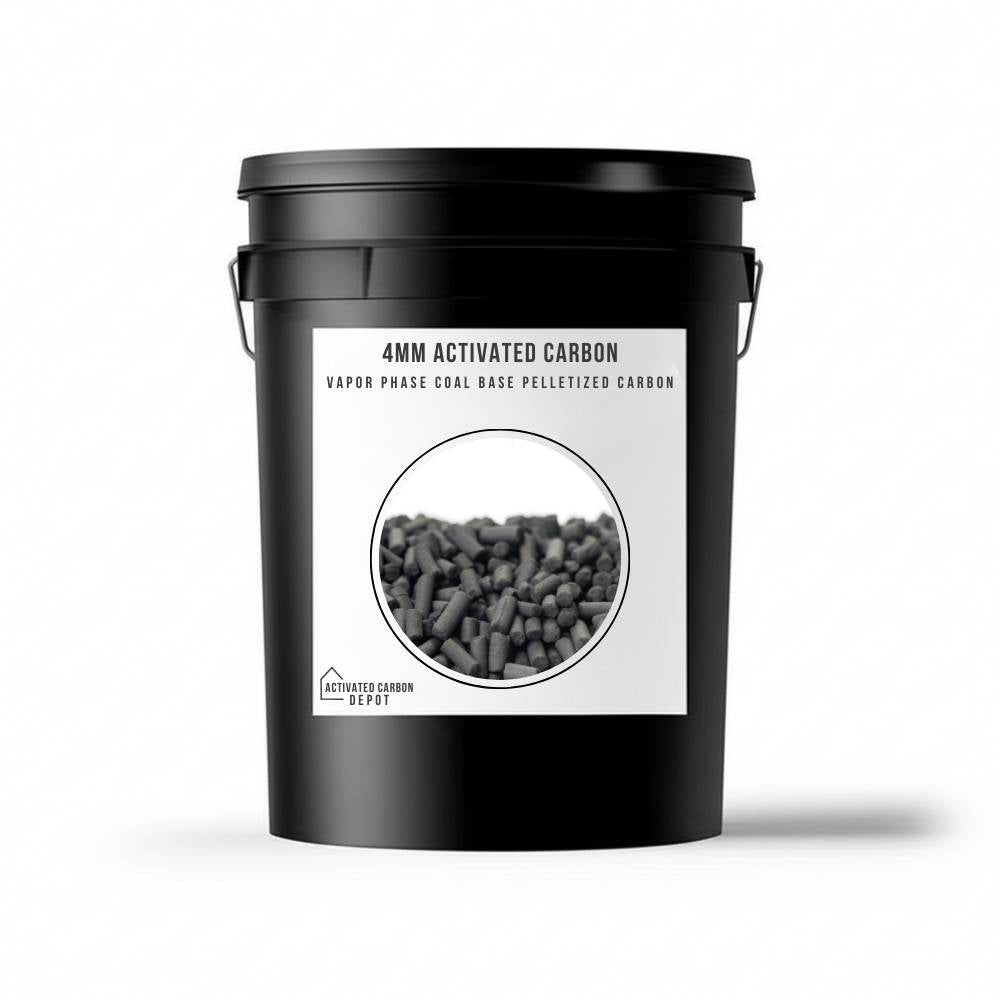
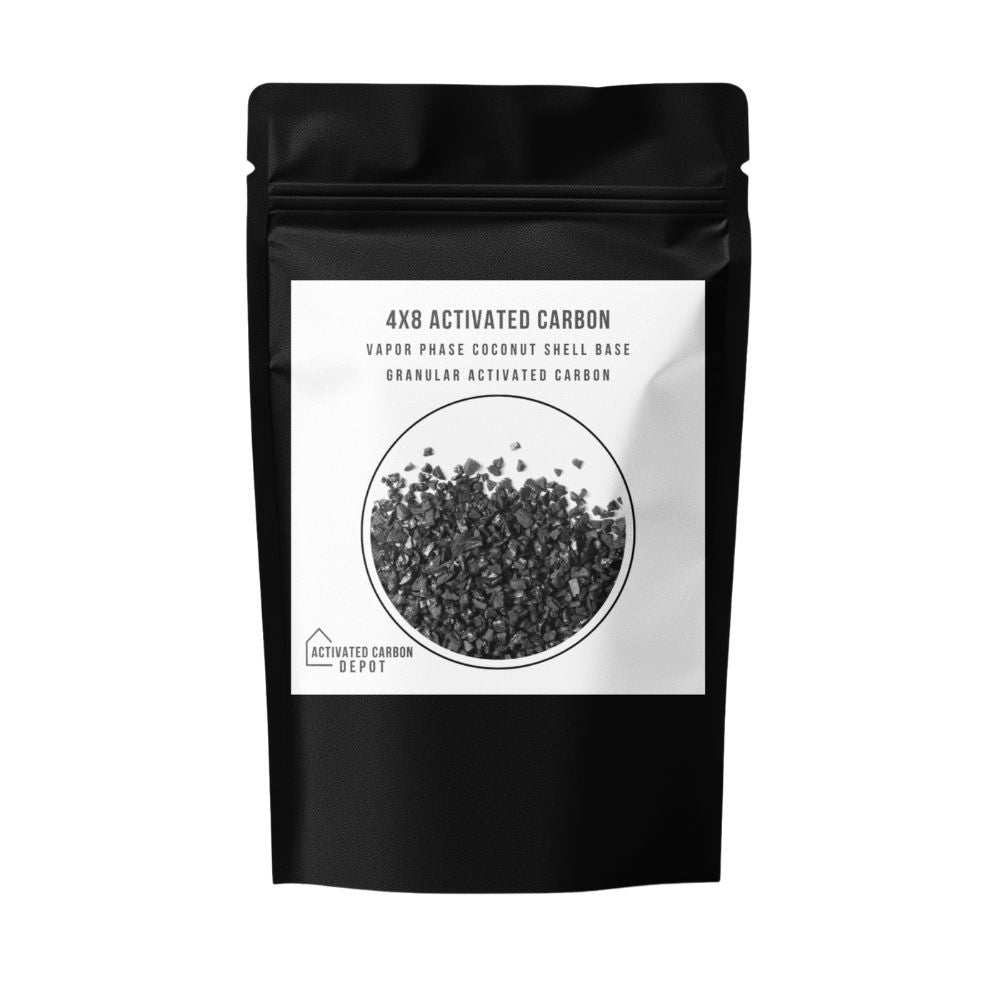
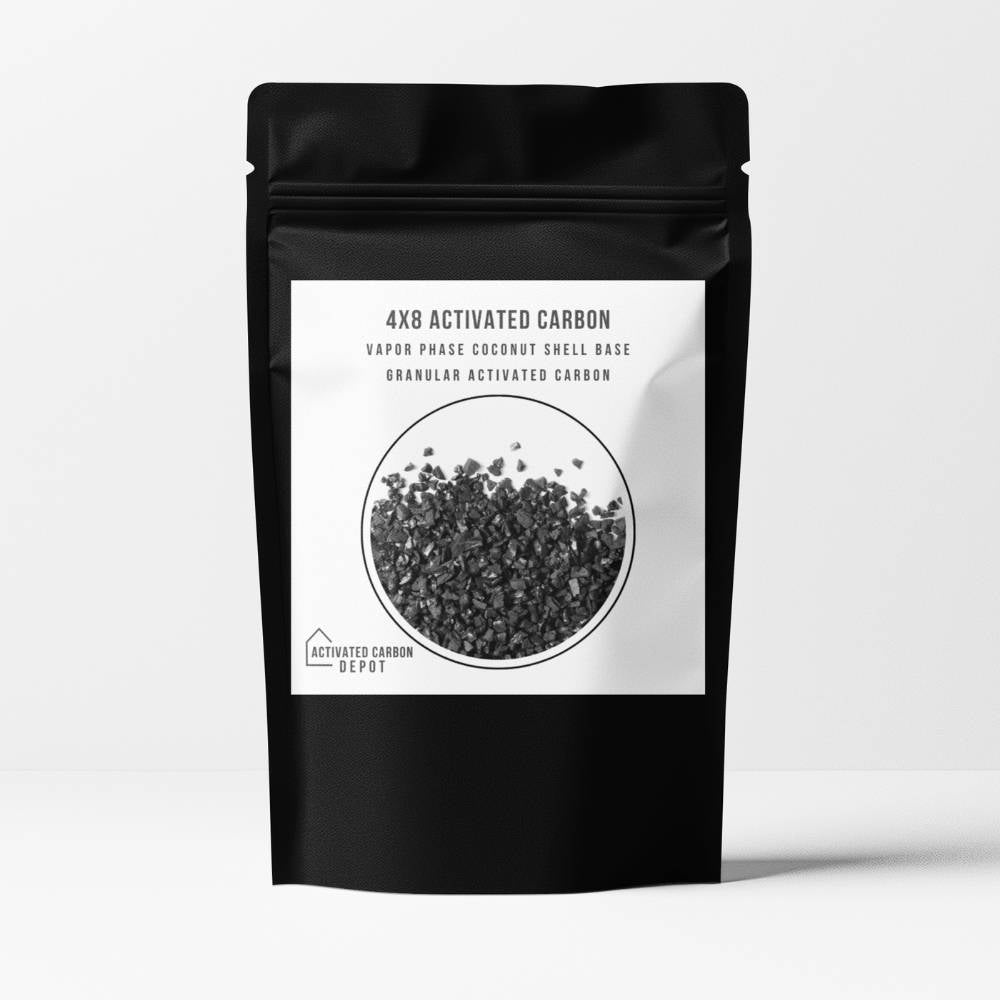
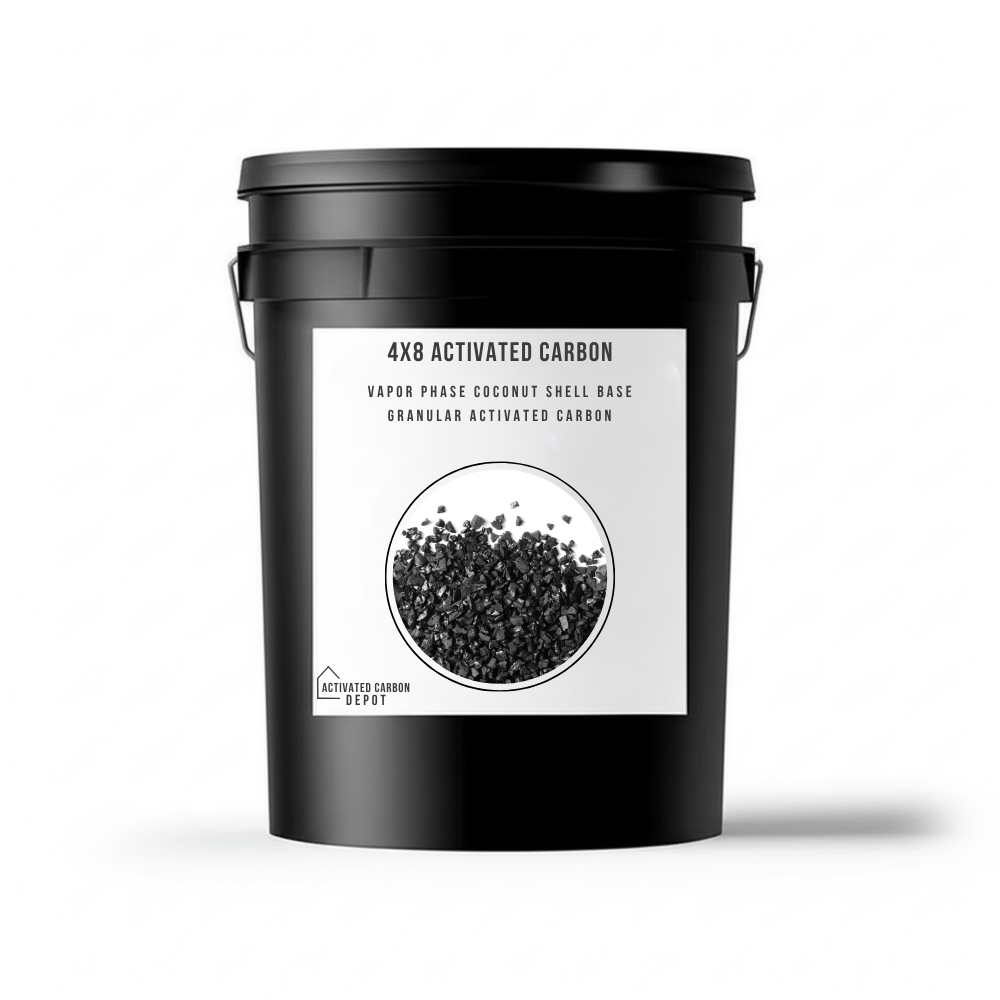
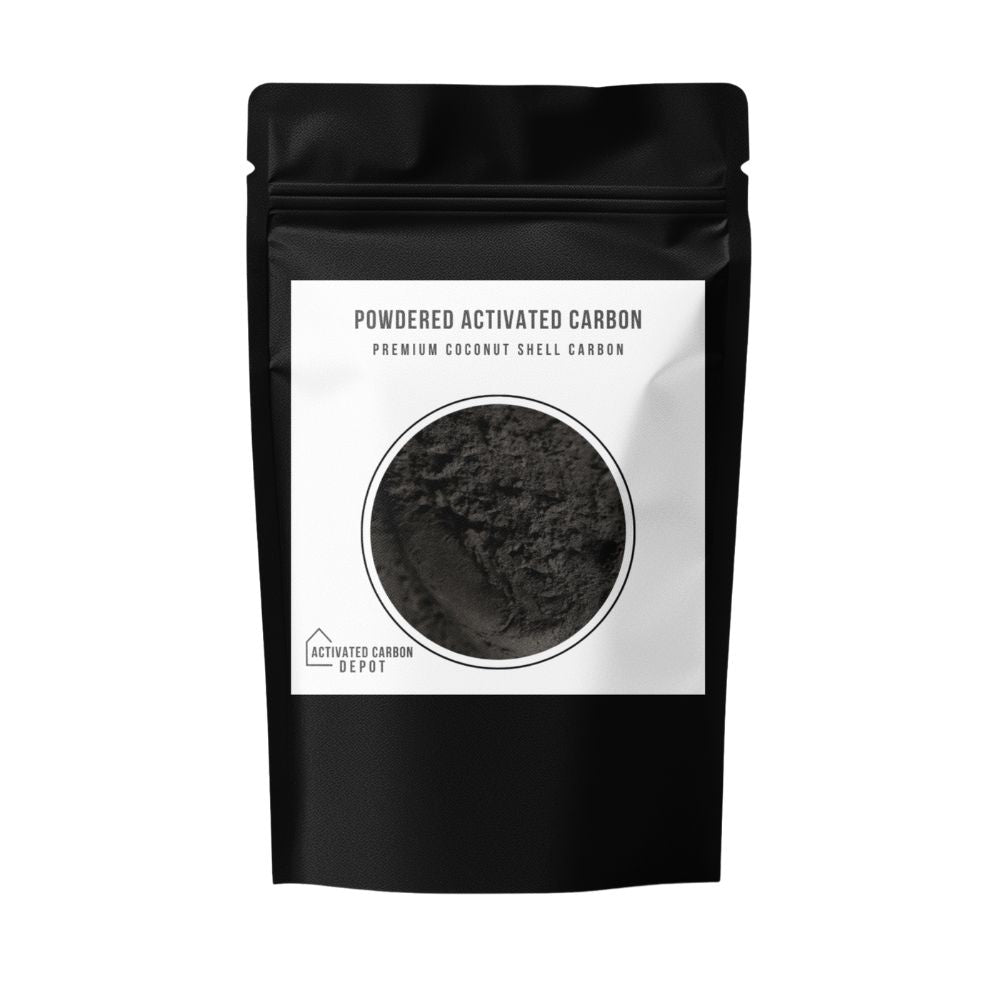
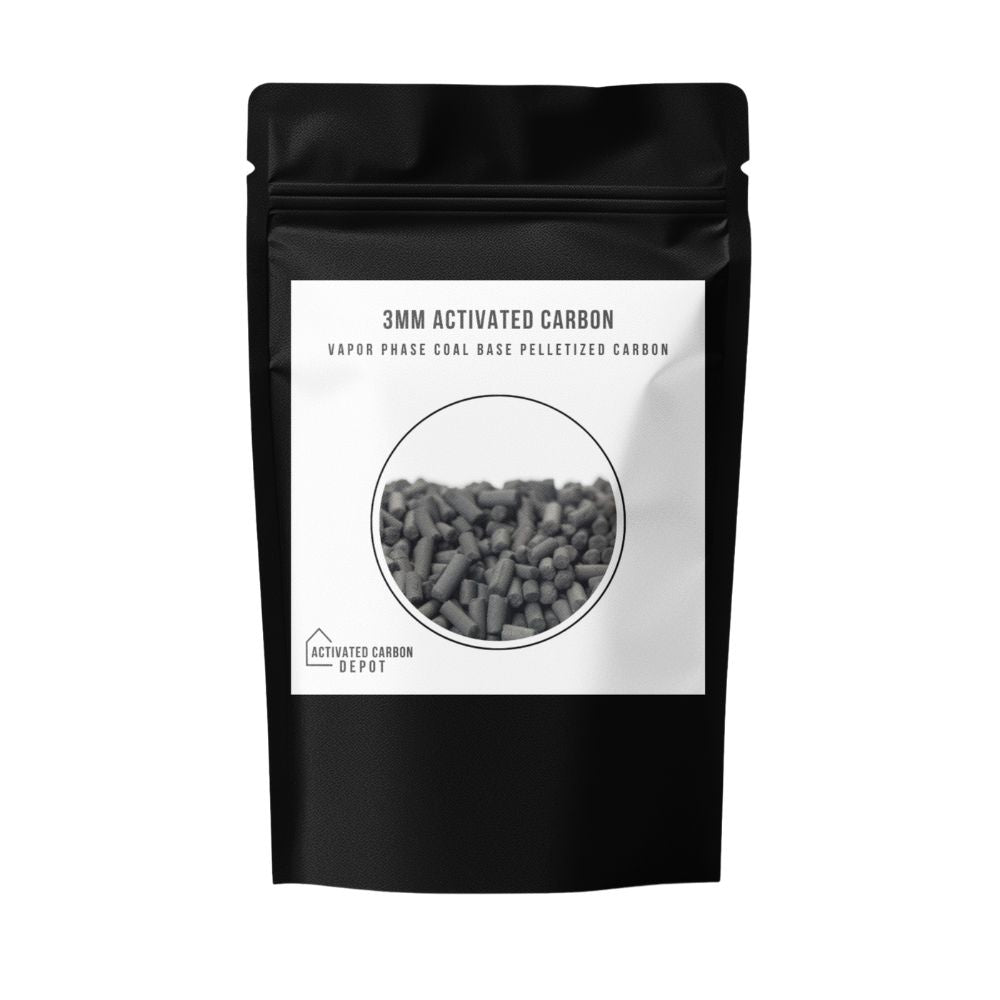
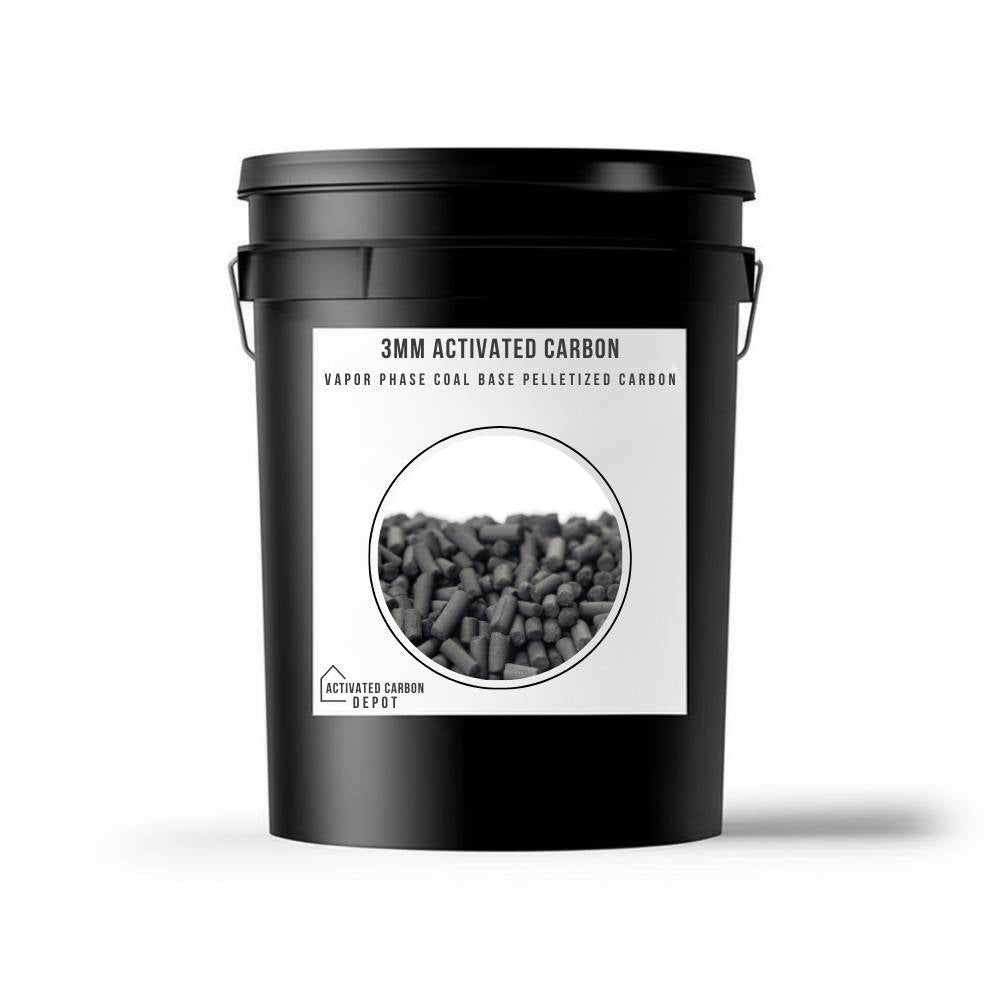
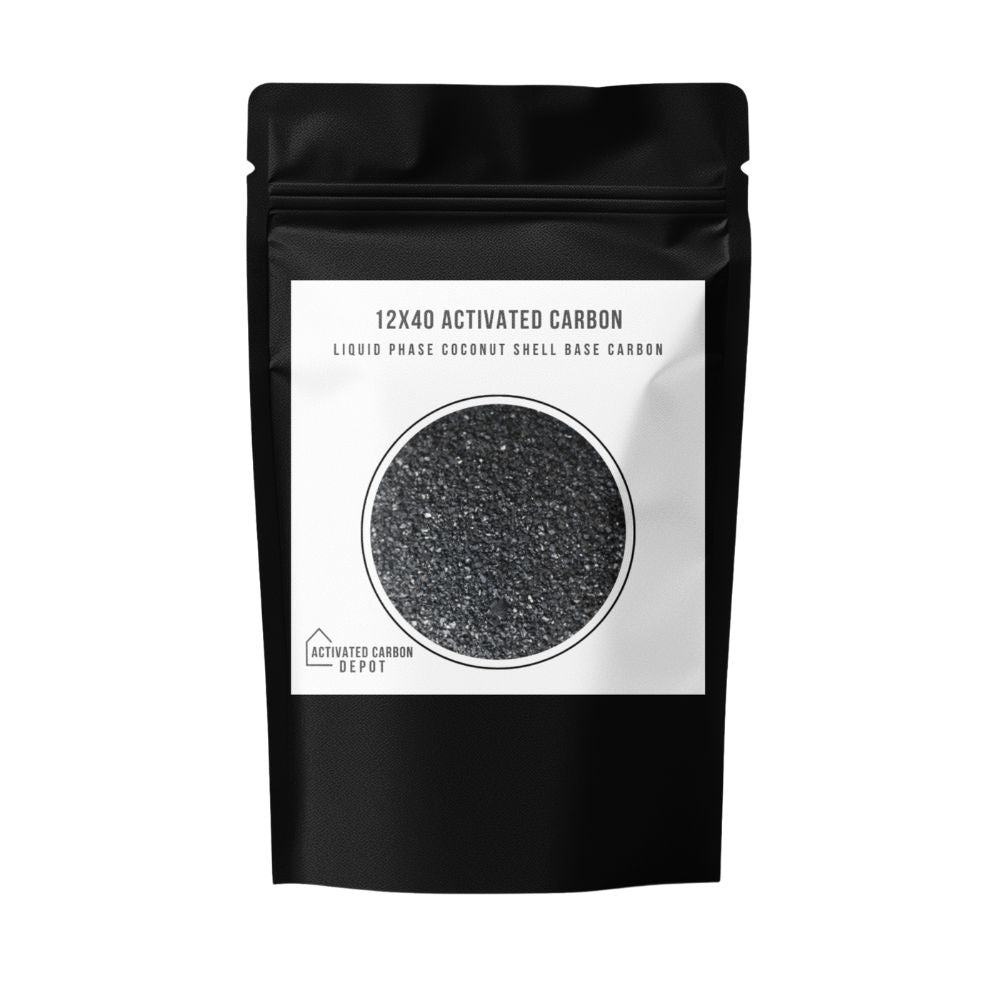
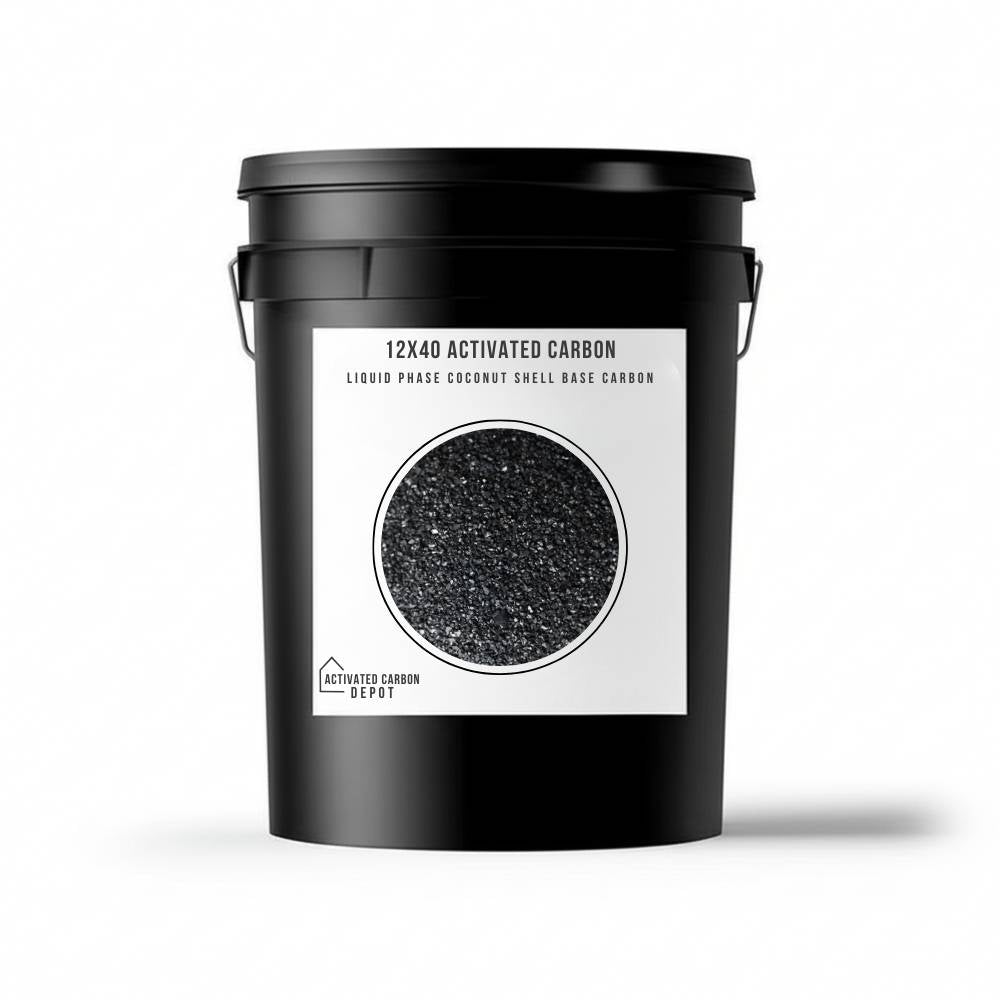
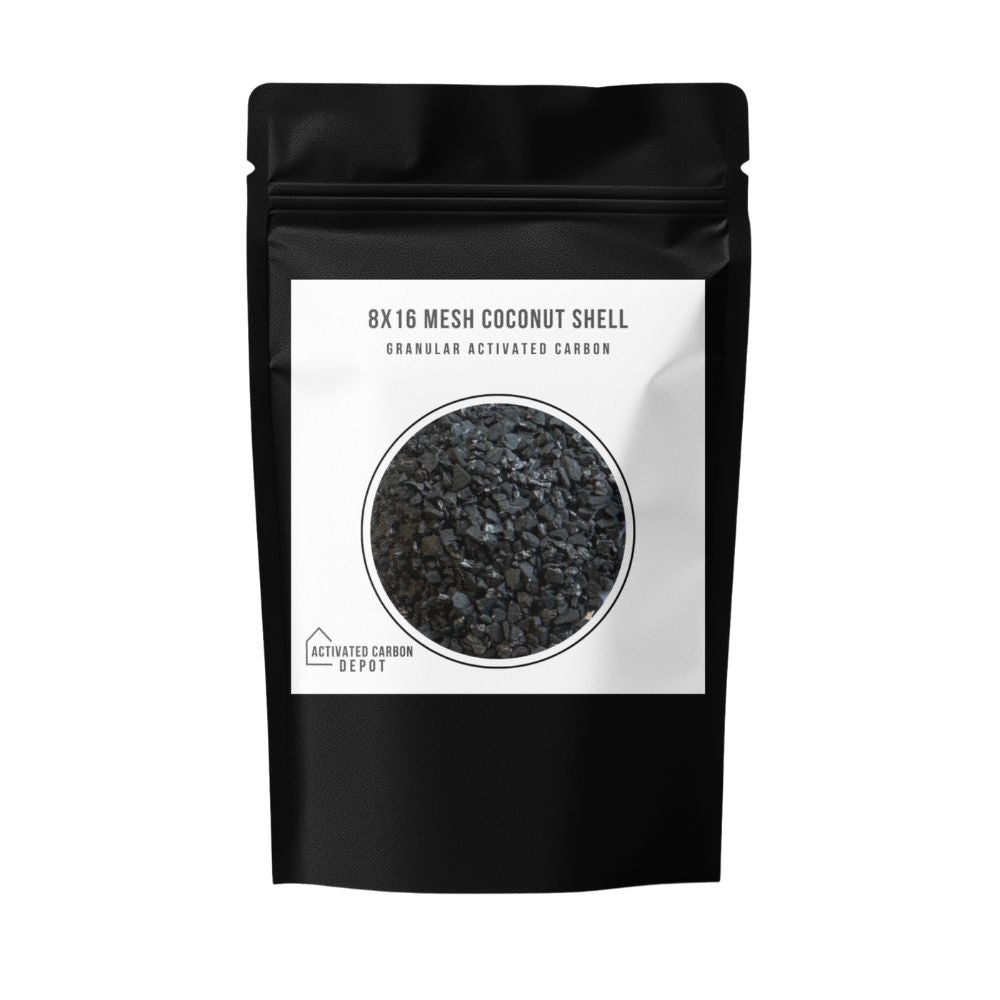
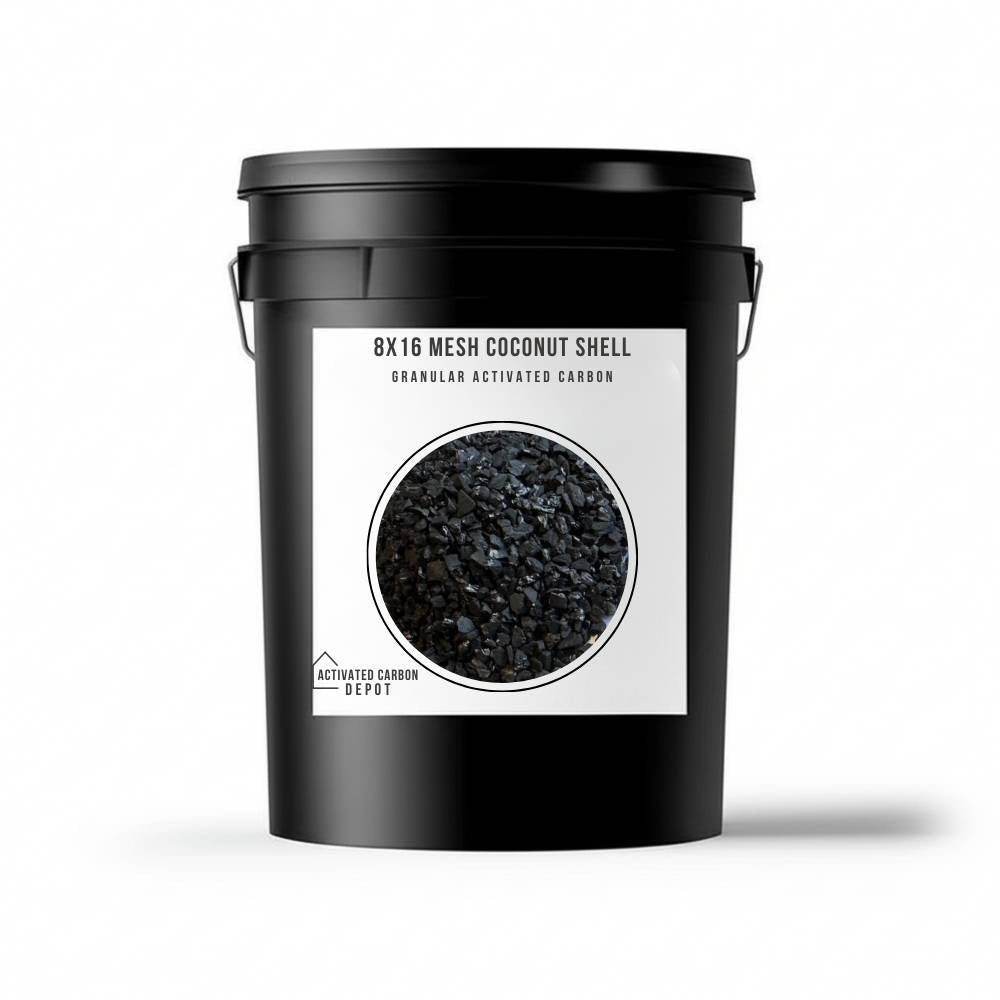
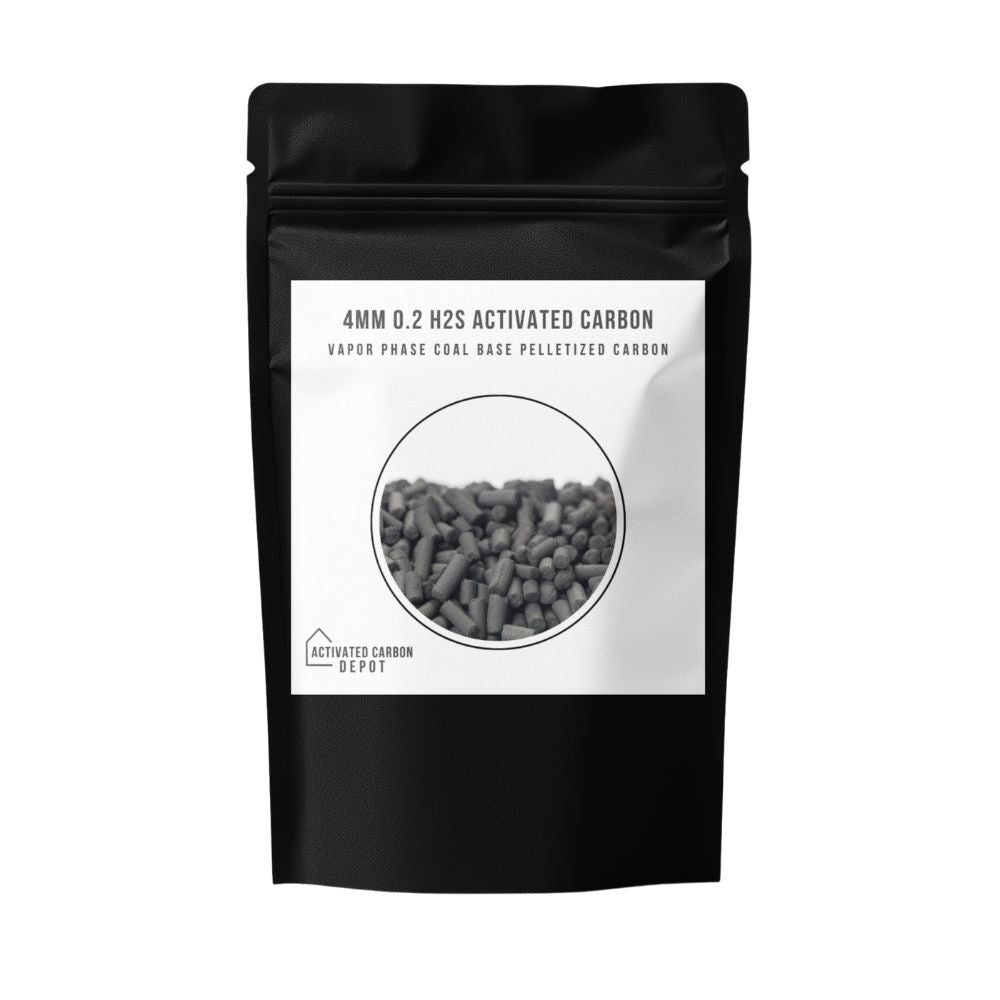
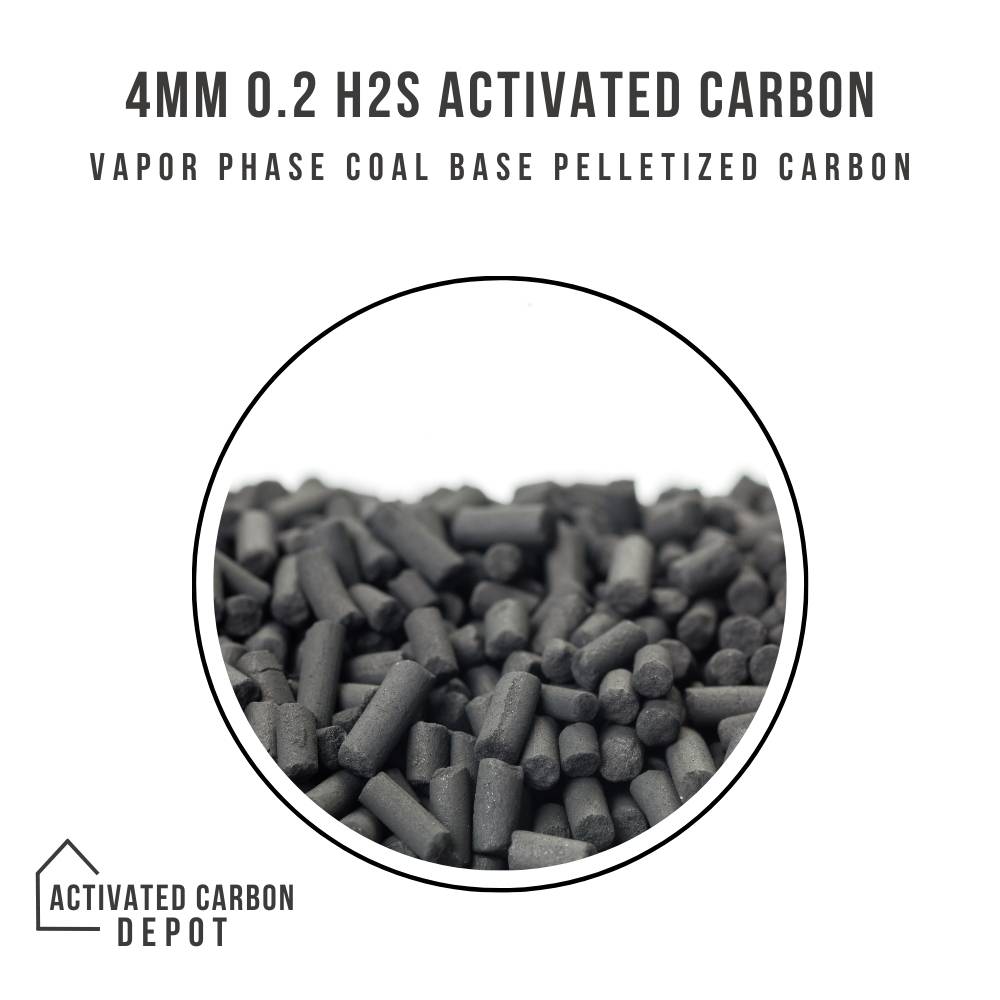
Our Activated Carbon for Kitchen Hoods is selected specifically for these conditions. It's designed to handle continuous airflow while maintaining strong odor adsorption, making it ideal for both commercial and residential applications.
Signs Your Kitchen Hood Carbon Needs Replacement
Even high-quality activated carbon has a limited lifespan. Over time, the pores fill up with captured contaminants, reducing effectiveness.
Here are the most common signs we advise customers to watch for:
- Persistent cooking odors despite ventilation
- Reduced air freshness in the kitchen
- Noticeable smell coming from the hood or exhaust
- Decreased performance in recirculating systems
In high-use environments, carbon may need to be replaced more frequently to maintain optimal performance.
Best Practices for Maintaining Carbon Filters
To get the most out of your activated carbon system, proper maintenance is key.
Use Pre-Filtration
Grease filters should always be installed before carbon filters. This prevents oils from clogging the carbon pores.
Avoid Overpacking
If you're refilling a carbon tray or housing, ensure proper airflow. Overpacking reduces efficiency.
Replace on Schedule
Depending on usage:
- Residential: every 2–4 months
- Commercial: more frequent, depending on volume
Monitor Airflow
Consistent airflow ensures that odor molecules come into contact with the carbon surface.
At Activated Carbon Depot, we always emphasize that airflow and adsorption must work together for effective filtration.
Choosing the Right Carbon for Kitchen Applications
Kitchen environments are demanding. The right carbon must handle:
- Continuous airflow
- High odor concentration
- Exposure to varying temperatures
For most kitchen hood systems, we recommend:
- Granular activated carbon (GAC) for balanced airflow and adsorption
- Coconut shell-based carbon for strong microporous structure
- Thermally activated carbon for maximum performance
Using application-specific carbon ensures longer life and better odor control compared to generic filters.
Why Customers Choose Activated Carbon Depot
We've built our reputation by focusing on application-specific carbon solutions, not one-size-fits-all products.
For kitchen hood filtration, that means:
- Carbon selected specifically for vapor-phase odor removal
- Consistent quality for predictable performance
- Clean, low-dust material that protects your system
- Reliable results in both residential and commercial environments
We've seen firsthand how the right carbon transforms a kitchen environment—eliminating odors and improving overall air quality.
Kitchen ventilation alone isn't enough to fully control odors and airborne contaminants. To truly clean the air, you need a filtration media that captures odor molecules at the source.
Activated carbon does exactly that.
By upgrading to a high-quality carbon designed for kitchen hood systems, you can eliminate persistent odors, improve air quality, and create a cleaner, more comfortable cooking environment.
From our experience, the difference is immediate—and once you have the right carbon in place, it's hard to go back.
Shop Activated Carbon for Kitchen Hoods
Eliminate cooking odors at the source with our kitchen hood activated carbon: