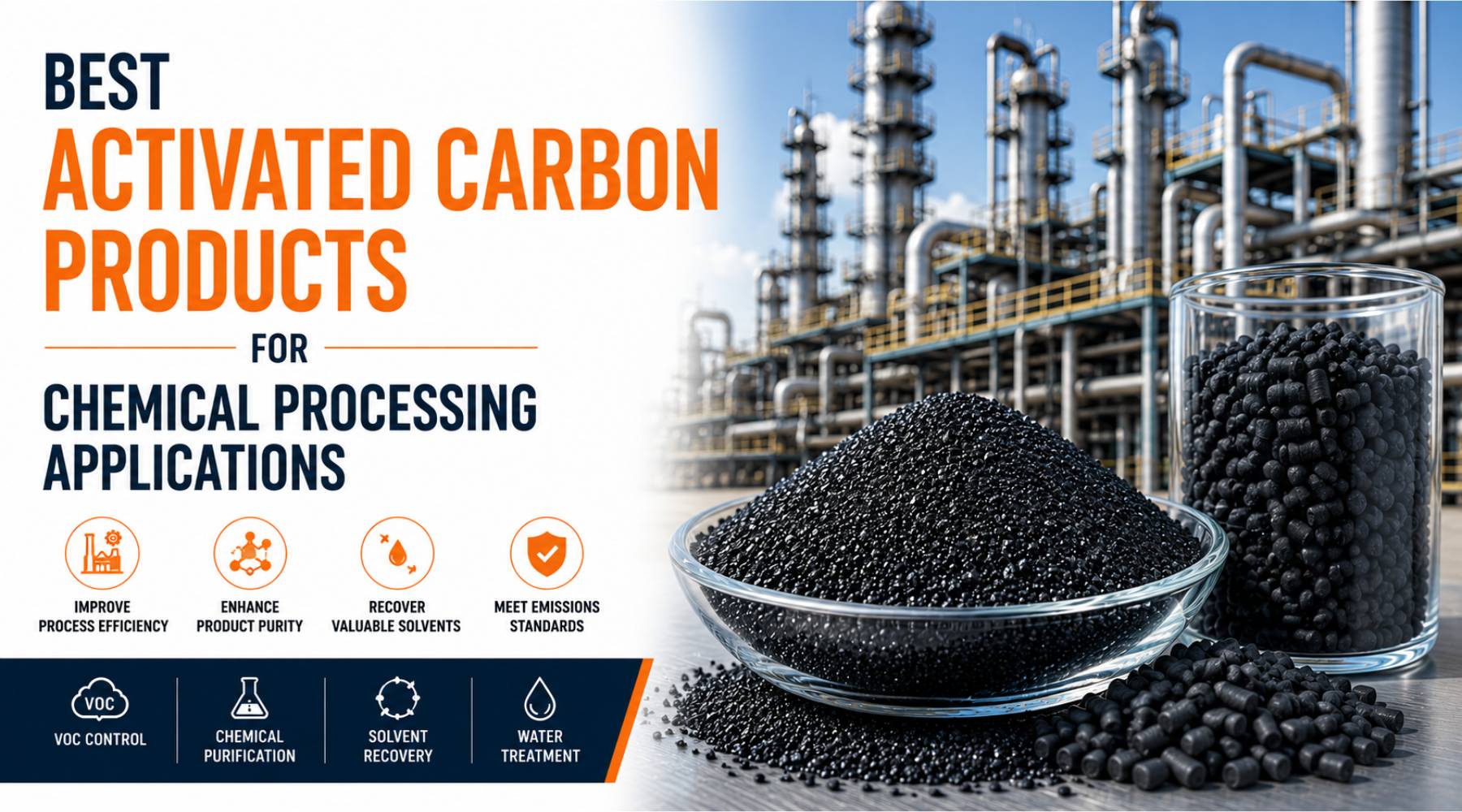
Chemical processing facilities depend on filtration and purification systems to maintain product quality, improve process efficiency, recover valuable materials, and reduce emissions. Whether you're manufacturing chemicals, pharmaceuticals, coatings, adhesives, or specialty products, activated carbon is often one of the most effective filtration media available.
At Activated Carbon Depot, we work with customers across a wide range of industrial applications, helping them select activated carbon products designed specifically for chemical purification, solvent recovery, vapor control, and process stream treatment.
One of the most common questions we receive is:
What are the best activated carbon products for chemical processing applications?
The answer depends on the contaminants being removed, the operating environment, and whether the application involves liquid-phase or vapor-phase filtration. In this guide, we'll examine the most effective activated carbon products used throughout the chemical processing industry and explain how to choose the right solution for your operation.
Why Activated Carbon Is Used in Chemical Processing
Activated carbon is valued because of its exceptional adsorption capacity. Through thermal activation, carbon develops millions of microscopic pores that create an enormous internal surface area.
This porous structure allows activated carbon to remove:
- Organic contaminants
- VOCs (Volatile Organic Compounds)
- Process impurities
- Color compounds
- Solvents
- Odor-causing compounds
- Trace contaminants
- Chemical byproducts
In many applications, activated carbon improves:
- Product purity
- Regulatory compliance
- Process efficiency
- Material recovery
- Environmental performance
Common Chemical Processing Applications for Activated Carbon
Solvent Recovery Systems
Activated carbon is widely used to capture solvent vapors from exhaust streams.
Common solvents recovered include:
- Acetone
- Ethanol
- Isopropyl alcohol (IPA)
- Methanol
- Toluene
- Xylene
By capturing and recovering these solvents, facilities can:
- Reduce operating costs
- Improve sustainability
- Lower emissions
Chemical Purification
Many manufacturers use activated carbon to remove trace impurities from:
- Chemical intermediates
- Specialty chemicals
- Process water
- Final products
Activated carbon can help improve:
- Color
- Odor
- Product consistency
- Overall purity
Process Water Treatment
Activated carbon is commonly installed to treat water used throughout chemical manufacturing operations.
It helps remove:
- Organic compounds
- Residual chemicals
- Taste and odor compounds
- Trace contaminants
This supports both process efficiency and regulatory compliance.
Air Emission Control
Many chemical facilities utilize activated carbon systems to capture airborne contaminants before they are released into the atmosphere.
Common targets include:
- VOCs
- Solvent vapors
- Chemical odors
- Hazardous air pollutants

Types of Activated Carbon Suitable for Solvent Recovery Operations
Solvent recovery is one of the most demanding applications for activated carbon. The carbon must balance high adsorption capacity with excellent airflow characteristics.
At Activated Carbon Depot, we typically recommend the following carbon types depending on the specific system design.
Pelletized Activated Carbon
Pelletized activated carbon is often the preferred choice for solvent recovery systems.
Benefits include:
- Low pressure drop
- Excellent airflow
- High mechanical strength
- Long service life
- Effective VOC adsorption
Pelletized carbon performs particularly well in:
- Vapor recovery units
- Air treatment systems
- Industrial VOC control equipment
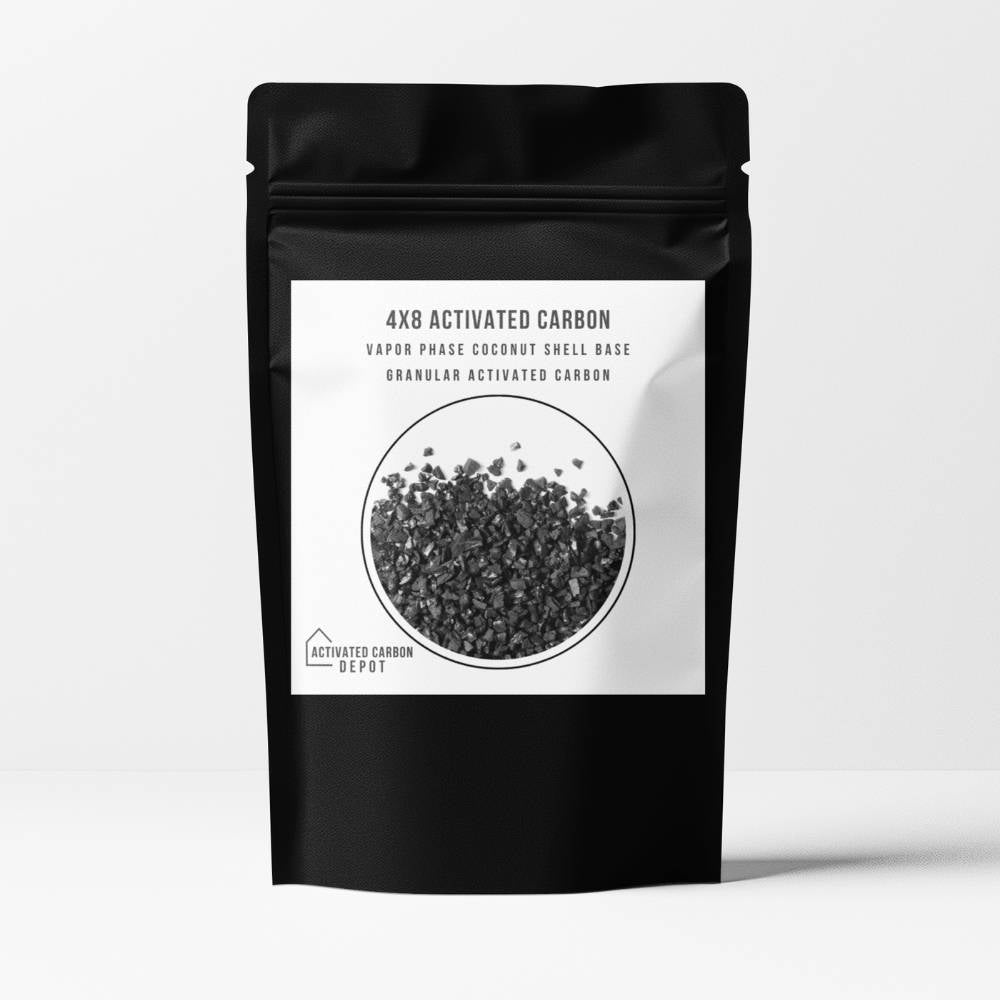
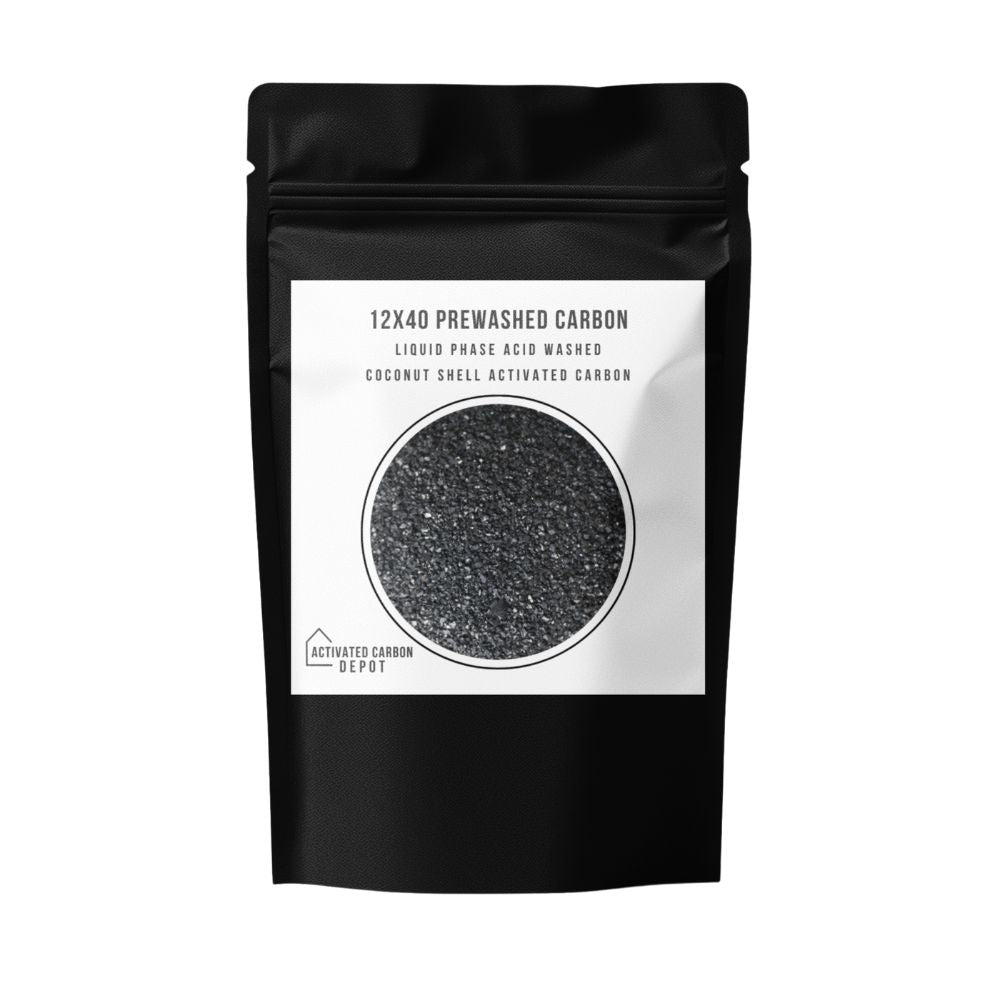
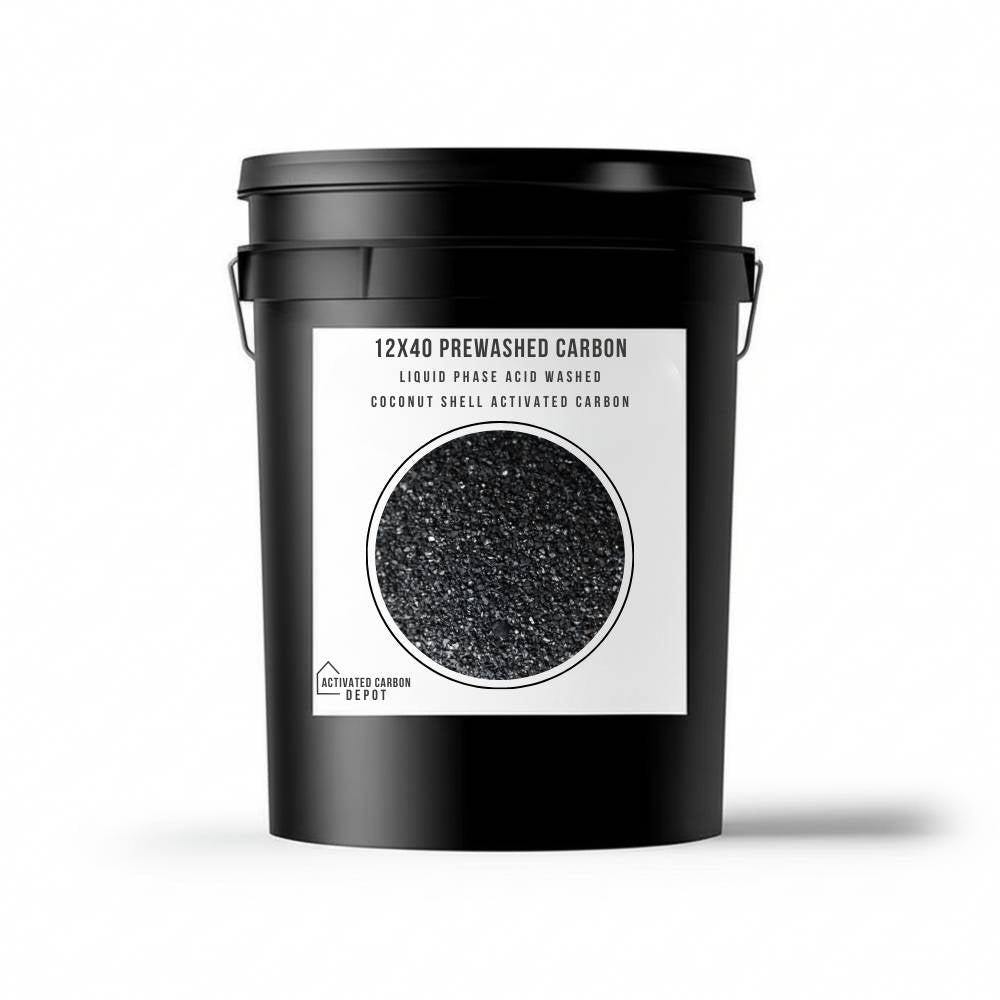
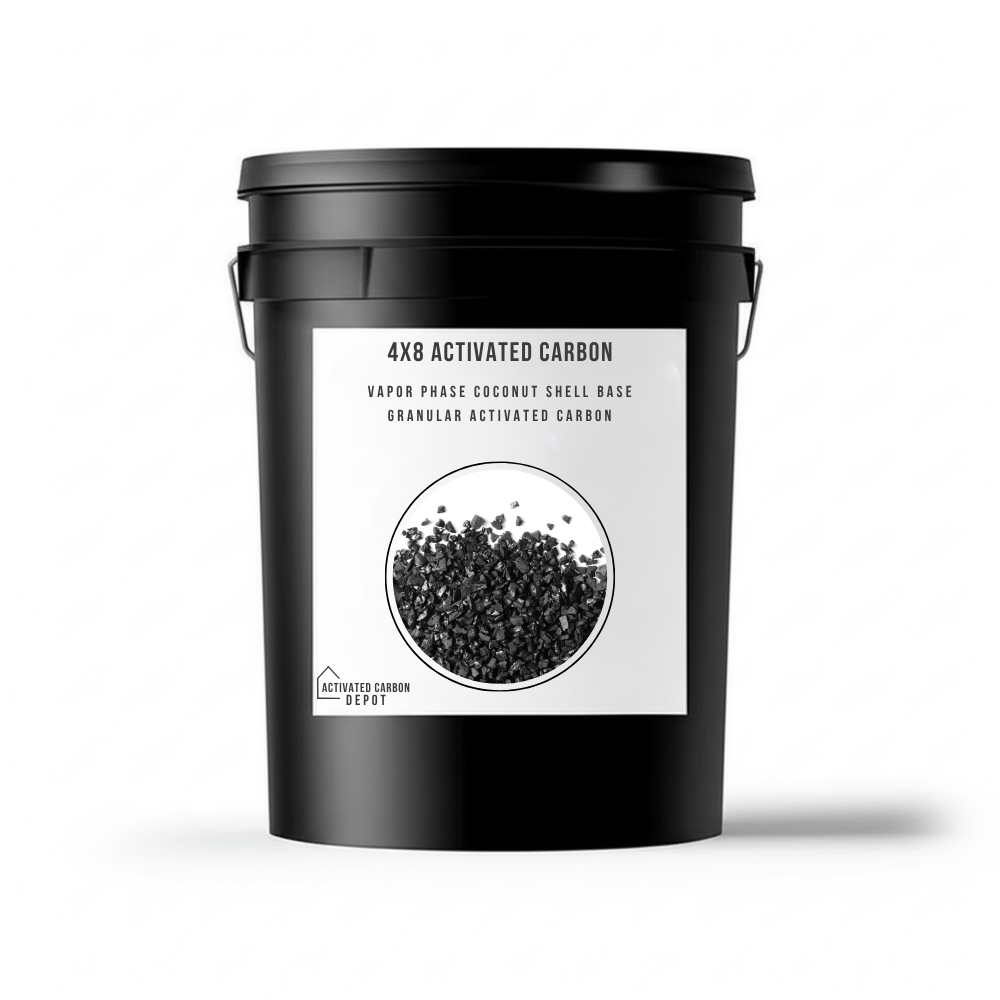
Coconut Shell Activated Carbon
Coconut shell carbon offers:
- High micropore volume
- Exceptional adsorption efficiency
- Strong VOC removal capabilities
It is often used when targeting smaller organic molecules and solvent vapors.
Bituminous Coal-Based Activated Carbon
Bituminous coal carbon is frequently selected for:
- Larger VOC molecules
- Industrial solvent applications
- High-volume air treatment systems
Its pore structure provides excellent performance across a broad range of contaminants.
Thermally Activated Vapor-Phase Carbon
For demanding solvent recovery operations, thermally activated vapor-phase carbon often delivers the best overall performance.
Advantages include:
- High adsorption capacity
- Consistent pore development
- Strong vapor-phase performance
- Reliable industrial durability
These characteristics make it one of the most commonly used carbon types in chemical manufacturing facilities.
Choosing the Right Carbon for Solvent Recovery
The ideal carbon depends on:
- Solvent type
- Airflow rate
- VOC concentration
- Humidity levels
- Recovery system design
At Activated Carbon Depot, we always recommend evaluating both adsorption requirements and airflow performance before selecting a carbon media.
Suppliers of Industrial-Grade Activated Carbon for Chemical Purification
Selecting the right supplier is just as important as selecting the right carbon.
Industrial facilities require activated carbon suppliers that can provide:
- Consistent quality
- Reliable inventory
- Technical expertise
- Multiple carbon types
- Industrial-scale availability
What to Look for in an Activated Carbon Supplier
When evaluating suppliers, consider:
Product Consistency
Industrial processes require predictable performance. Carbon quality should remain consistent from shipment to shipment.
Technical Knowledge
A knowledgeable supplier can help determine:
- Appropriate carbon type
- Particle size
- Adsorption requirements
- Replacement schedules
Application-Specific Solutions
Different applications require different carbon products.
Examples include:
- Solvent recovery carbon
- Chemical purification carbon
- Water treatment carbon
- Vapor-phase filtration carbon
Why Facilities Choose Activated Carbon Depot
At Activated Carbon Depot, we specialize in helping industrial customers identify activated carbon solutions tailored to their specific applications.
Our customers choose us because we offer:
Multiple Carbon Types
We supply:
- Coconut shell activated carbon
- Pelletized activated carbon
- Granular activated carbon (GAC)
- Specialty vapor-phase filtration media
- Chemical processing filtration carbon
Industrial Application Expertise
We work with customers across:
- Chemical manufacturing
- Water treatment
- Solvent recovery
- VOC control
- Air purification
- Industrial filtration
Consistent Product Quality
Our focus is providing activated carbon products designed for dependable long-term performance in demanding industrial environments.
Technical Support
We help customers determine:
- Appropriate carbon media
- System compatibility
- Filtration goals
- Performance expectations
Whether the goal is chemical purification, emissions control, or solvent recovery, our team helps identify the right activated carbon solution for the application.
Key Factors When Selecting Activated Carbon for Chemical Processing
Before selecting activated carbon, consider:
Contaminant Type
Different contaminants require different pore structures.
Operating Environment
Temperature, humidity, and airflow impact carbon performance.
Contact Time
Adequate contact time is essential for effective adsorption.
Carbon Particle Size
Particle size affects:
- Pressure drop
- Airflow
- Adsorption efficiency
Replacement Frequency
Understanding carbon lifespan helps optimize operating costs.
Why Activated Carbon Remains a Critical Tool in Chemical Processing
Despite advances in filtration technology, activated carbon continues to be one of the most versatile and effective solutions for chemical processing applications.
Its ability to remove:
- VOCs
- Solvents
- Odors
- Organic contaminants
- Process impurities
makes it an essential component in many industrial systems.
From chemical purification to solvent recovery and air emission control, activated carbon helps facilities improve efficiency while supporting environmental and regulatory objectives.
The best activated carbon products for chemical processing applications depend on the specific contaminants, operating conditions, and performance requirements involved.
For many facilities, pelletized activated carbon, coconut shell carbon, and thermally activated vapor-phase carbon provide excellent performance across a wide range of applications.
At Activated Carbon Depot, we help industrial customers identify activated carbon solutions designed for chemical purification, solvent recovery, VOC control, and process optimization. By selecting the right carbon media and supplier, facilities can improve efficiency, reduce operating costs, and achieve more reliable long-term filtration performance.
Shop Activated Carbon for Chemical Processing
Browse our most commonly specified products for solvent recovery, VOC control, vapor-phase filtration, and chemical purification applications.

3mm Vapor Phase Coal-Based Pelletized Carbon Low pressure drop, high mechanical strength. Ideal for solvent recovery units and industrial VOC control systems. Shop Now |

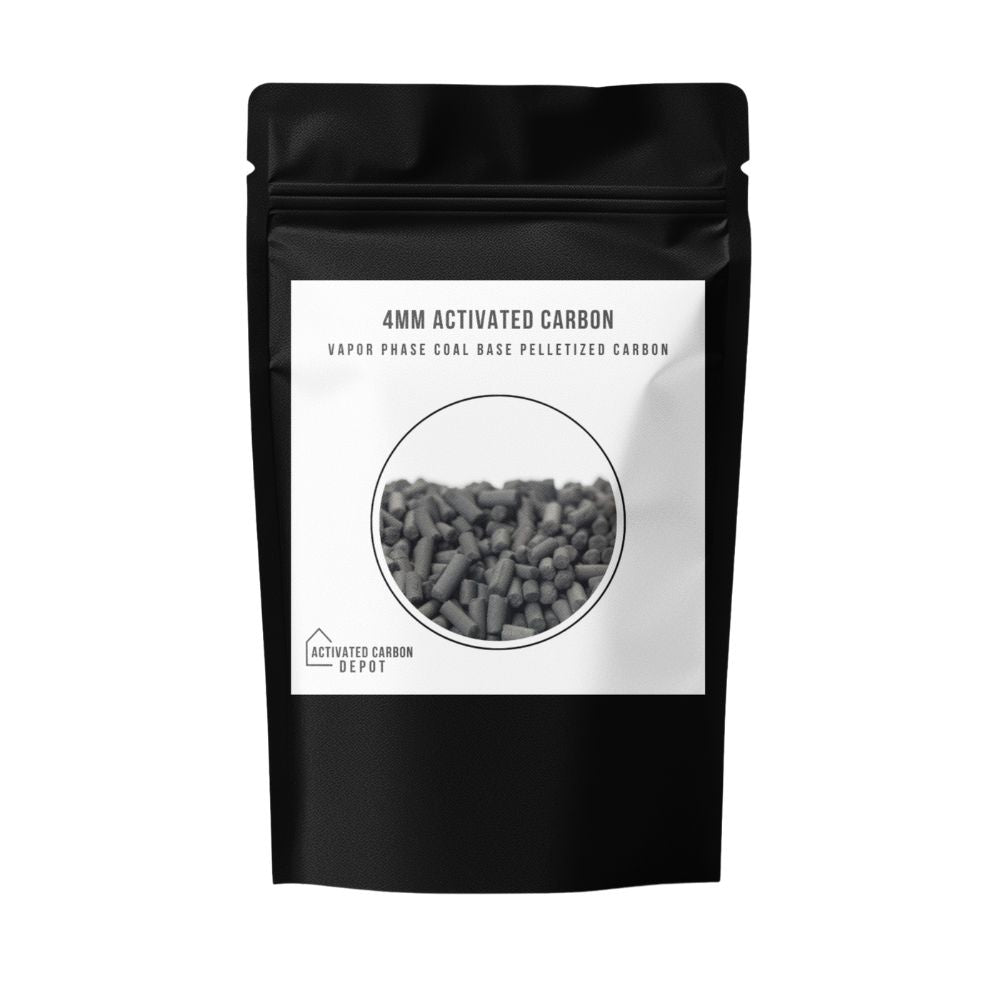
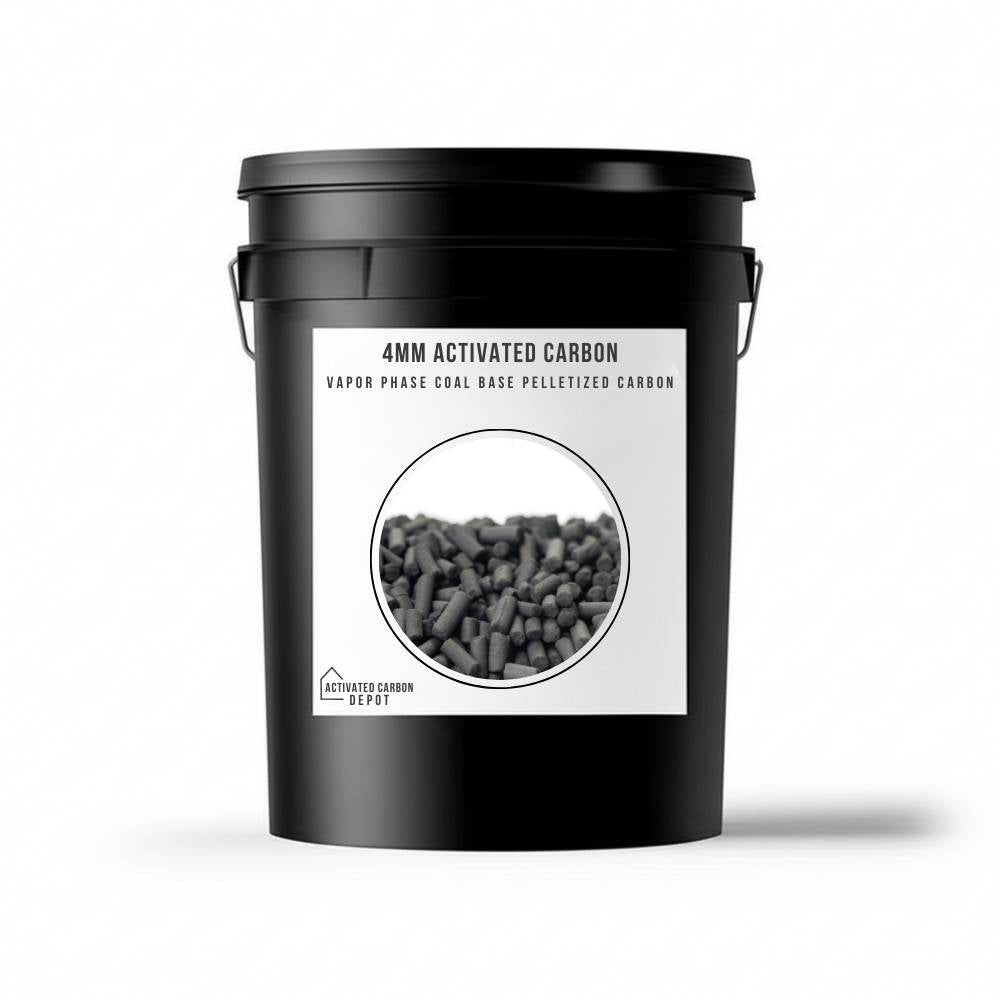
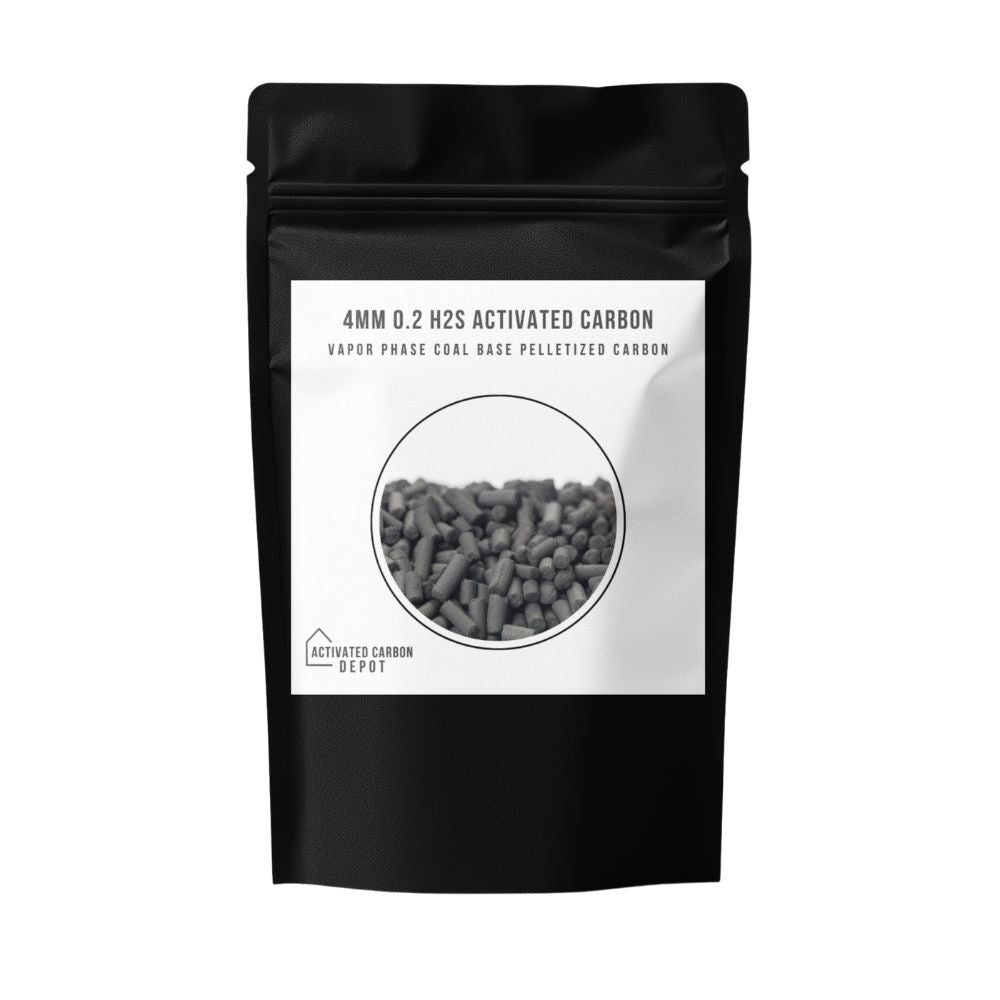
4mm Vapor Phase Coal Base Pelletized Carbon Larger pellet size for high-volume air treatment and industrial solvent applications. Broad VOC contaminant range. Shop Now |

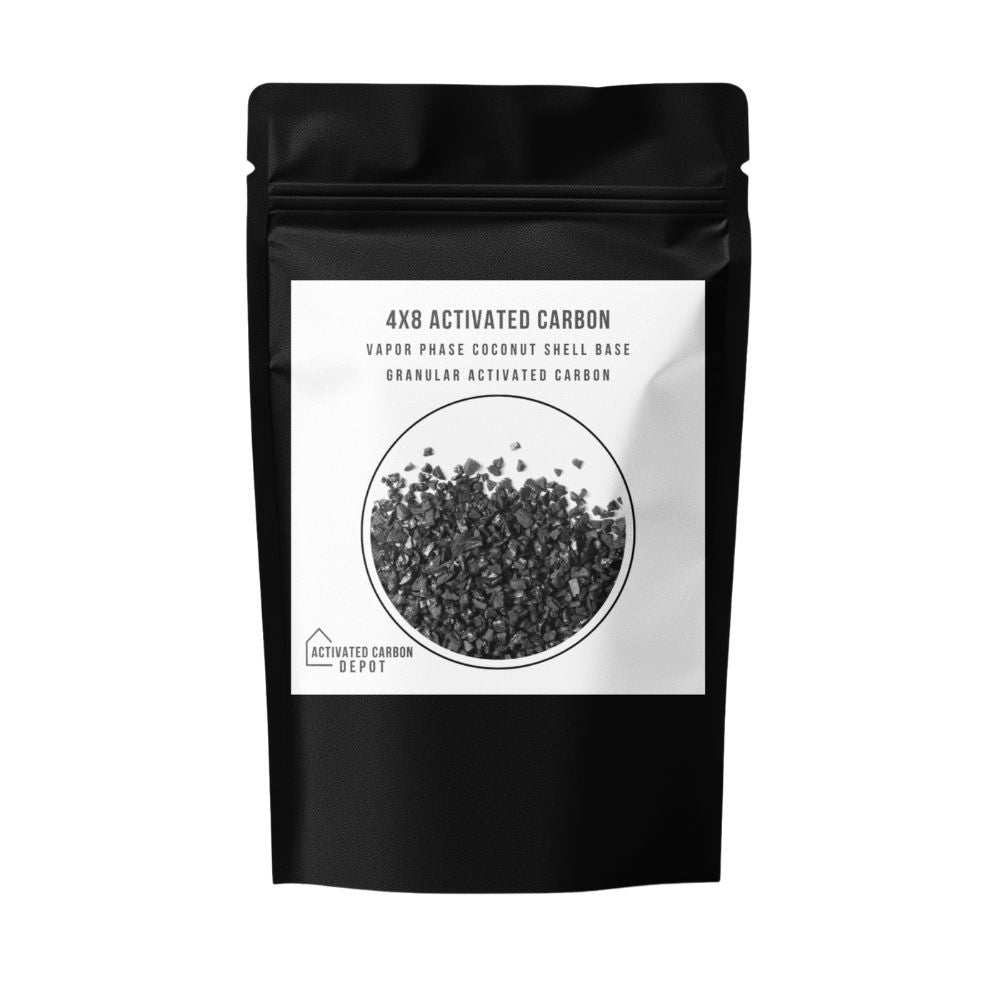
4x8 Vapor Phase Coconut Shell GAC (60 CTC) High micropore volume for targeting smaller organic molecules and solvent vapors. Strong VOC removal efficiency. Shop Now |

4x8 Vapor Phase Coconut Shell GAC (70 CTC) Premium 70 CTC coconut shell carbon for demanding solvent recovery. High adsorption capacity and consistent pore development. Shop Now |

4mm Mixed Vapor Phase Reactivated Carbon Cost-effective thermally reactivated carbon for high-volume facilities. Comparable performance to virgin carbon at lower cost. Shop Now |

4mm Coal Base Pelletized Carbon – Super Sack (1,100 lbs) Industrial bulk format for large vapor-phase systems. 1,100 lb super sack with shipping included for continuous changeout programs. Shop Now |
Not sure which carbon is right for your application? Contact our team — we help facilities match the right media to their specific process requirements.