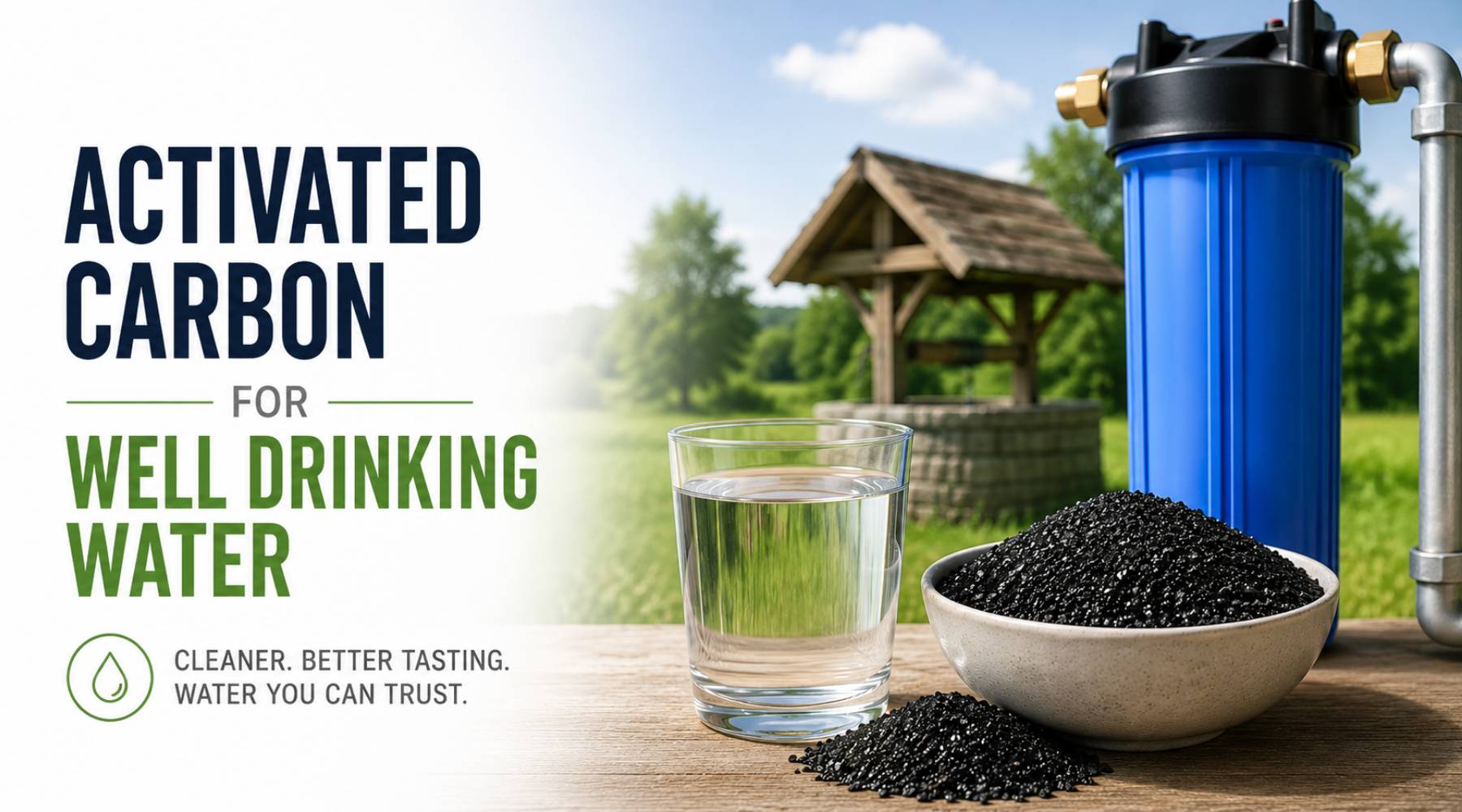
Private well water can provide a reliable source of drinking water, but it also comes with unique challenges. Unlike municipal water systems, well water quality can vary significantly depending on location, groundwater conditions, plumbing systems, and nearby environmental factors.
At Activated Carbon Depot, we regularly work with customers looking to improve the taste, smell, and overall quality of their well water using activated carbon filtration systems. We offer premium activated carbon for well drinking water filtration and one of the most common questions we hear is:
Does activated carbon actually help improve well drinking water?
In many cases, absolutely. Activated carbon is one of the most widely used filtration media for improving water quality because it effectively removes chlorine and chemical tastes, odors, organic compounds, and certain contaminants affecting water appearance and smell.
Why Well Water Often Needs Filtration
Well water comes directly from underground sources, which means its quality depends heavily on local geology and environmental conditions. Common issues include sulfur or “rotten egg” smells, metallic tastes, earthy or musty odors, organic contaminants, sediment and discoloration, and chemical runoff concerns in certain areas.
Unlike city water, private wells are not continuously treated by municipal facilities, so homeowners are responsible for monitoring and improving water quality themselves. This is where activated carbon becomes an extremely valuable part of a filtration system.
How Activated Carbon Improves Drinking Water
Activated carbon works through adsorption. During thermal activation, carbon develops millions of microscopic pores that create an enormous internal surface area. As water passes through the carbon bed, contaminants become trapped inside these pores. Activated carbon is especially effective at improving taste, odor, and overall water clarity and freshness.
What Activated Carbon Removes From Well Water
- Unpleasant Odors: One of the most common reasons homeowners install carbon filtration is sulfur-like or musty smells.
- Chlorine and Chemical Taste: While many wells are not chlorinated, some systems use chlorination treatments or may contain chemical residues from nearby contamination sources.
- Organic Compounds: Activated carbon helps adsorb certain VOCs and organic contaminants that can affect drinking water quality.
- Tannins and Earthy Tastes: Some groundwater sources contain naturally occurring organic compounds that affect taste and color.
- General Water Freshness Issues: Many homeowners simply want cleaner, fresher-tasting water for drinking, cooking, and ice production.
Why Coconut Shell Activated Carbon Is Often Preferred
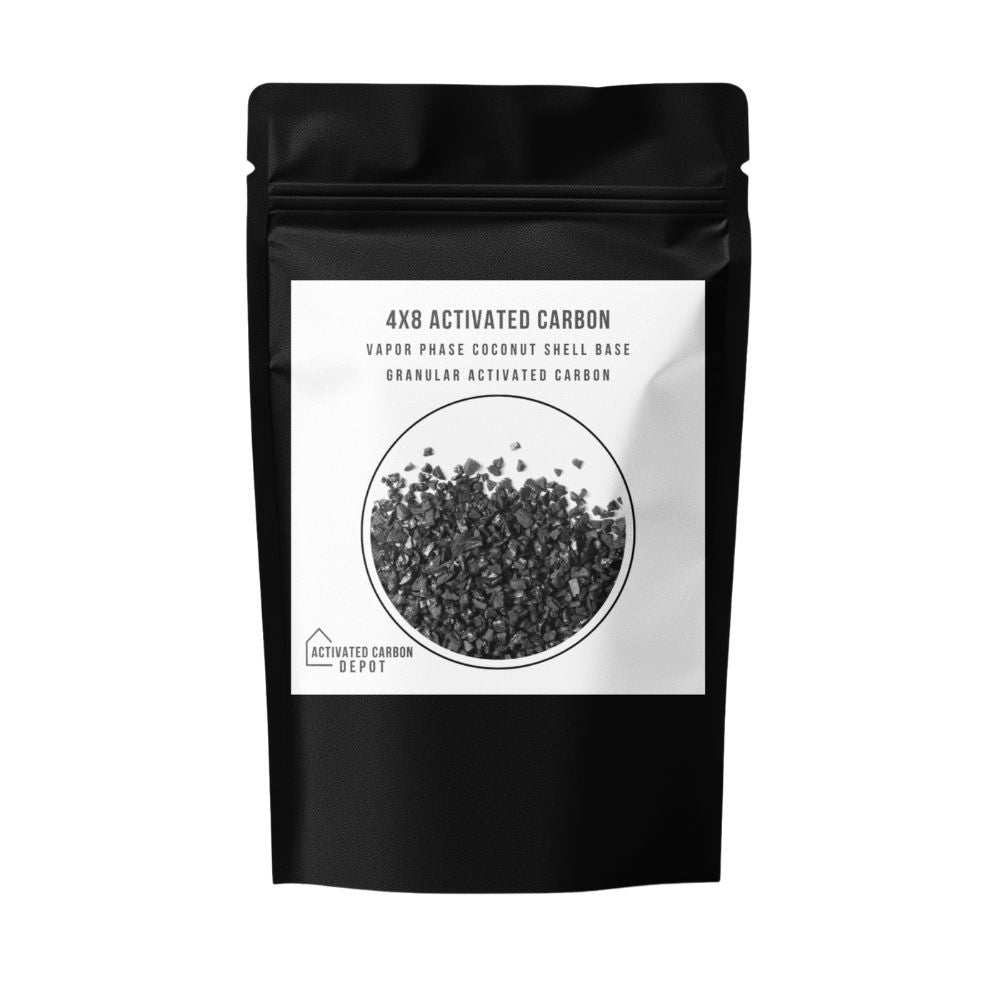
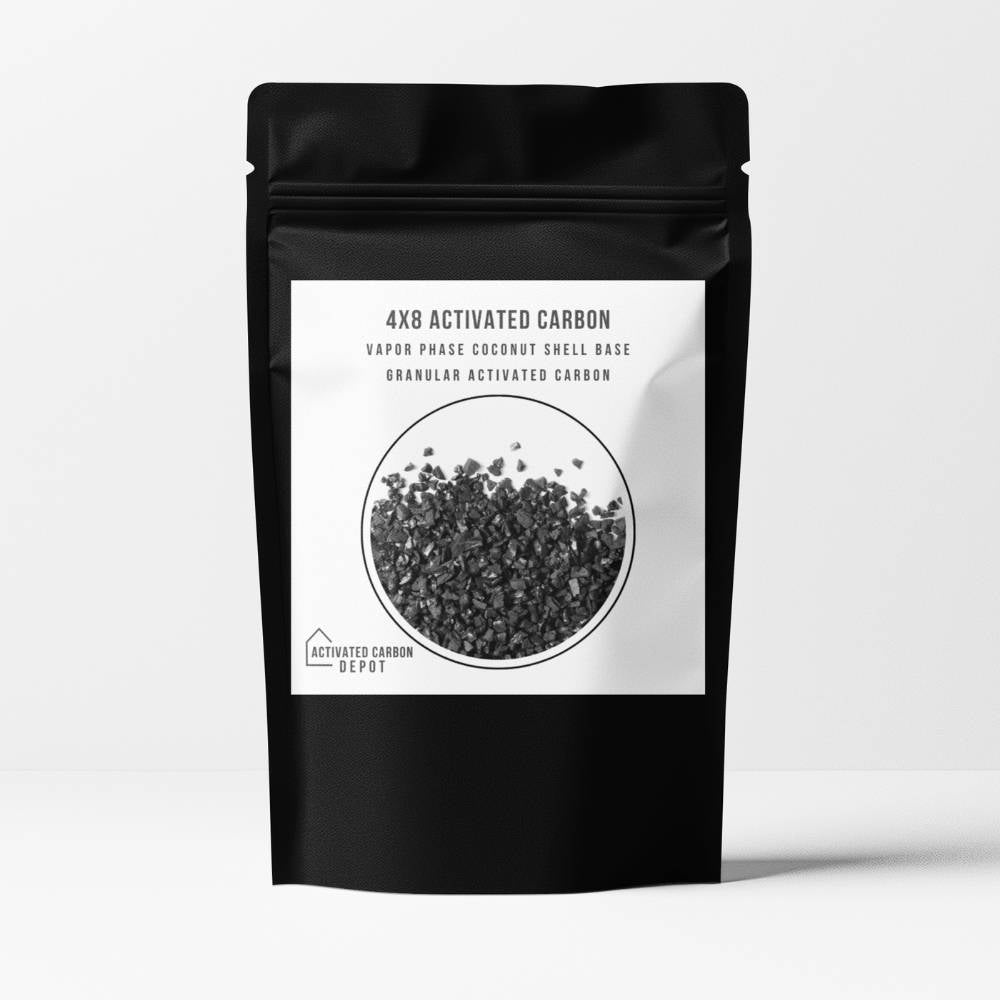
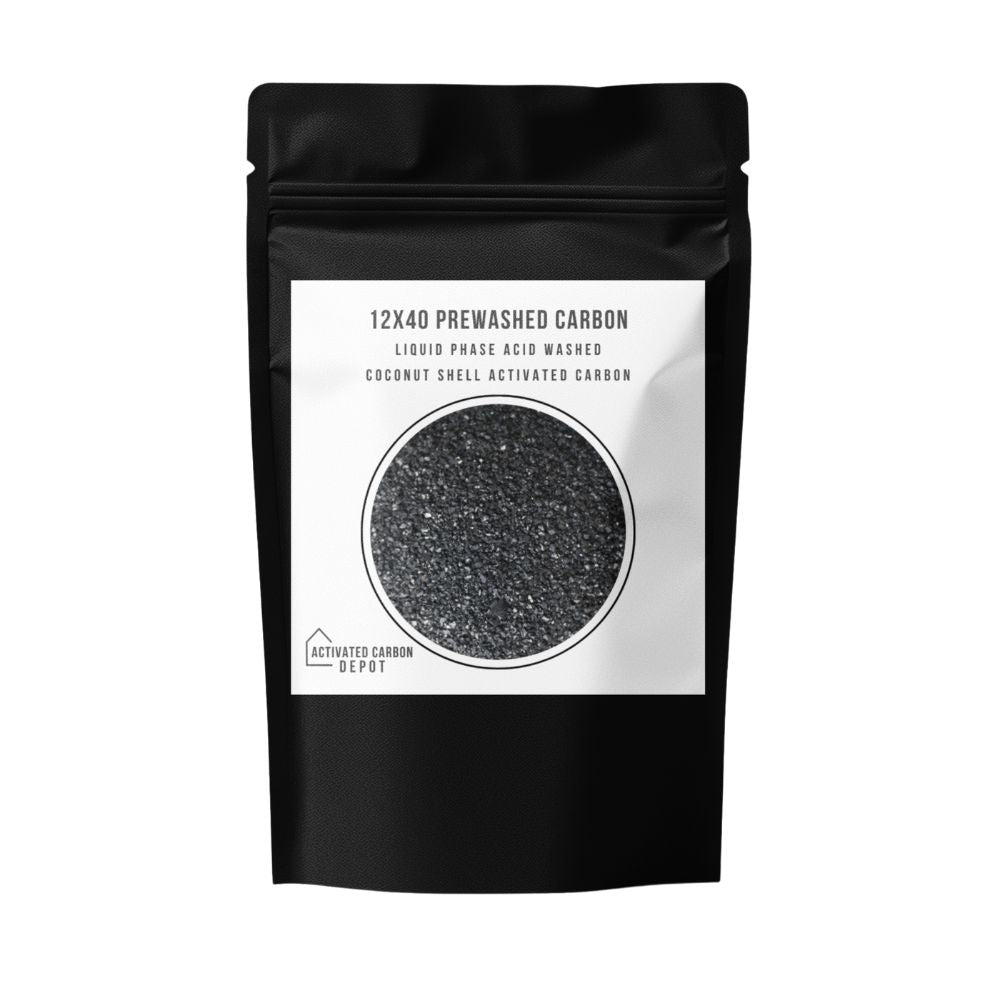
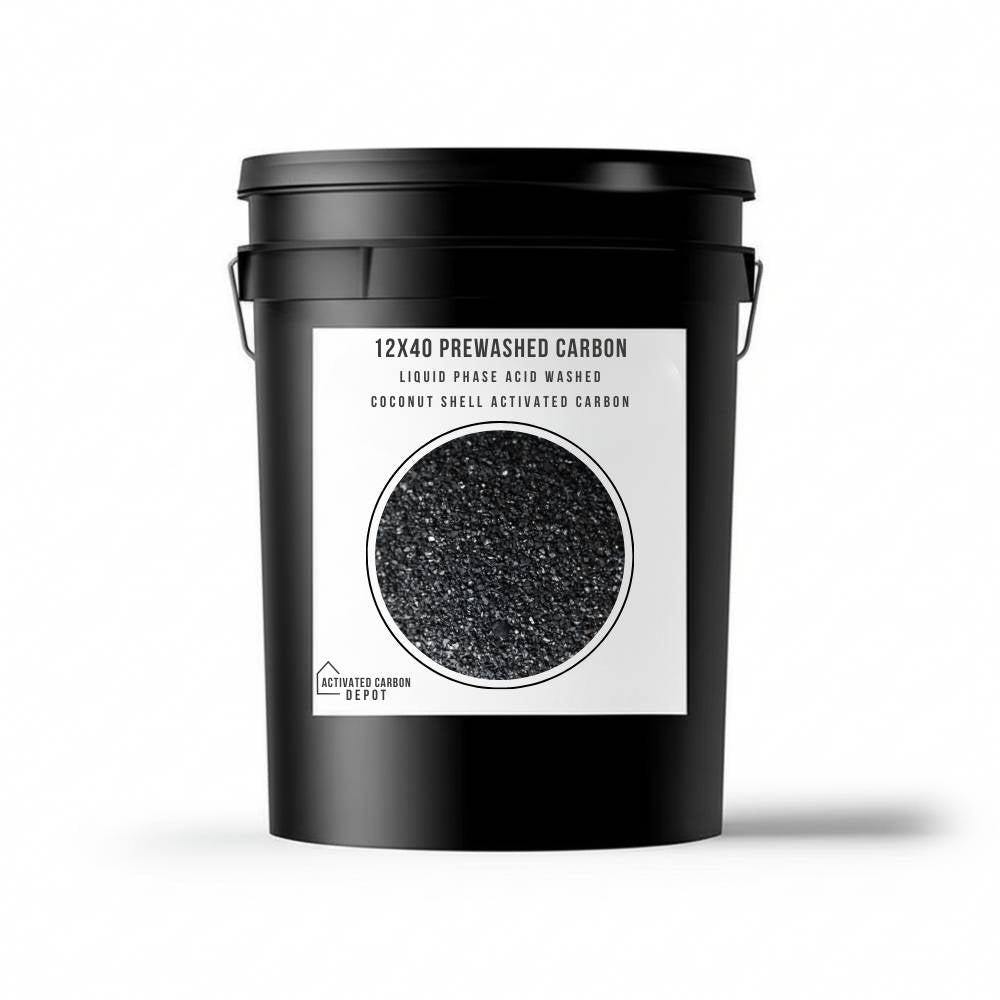
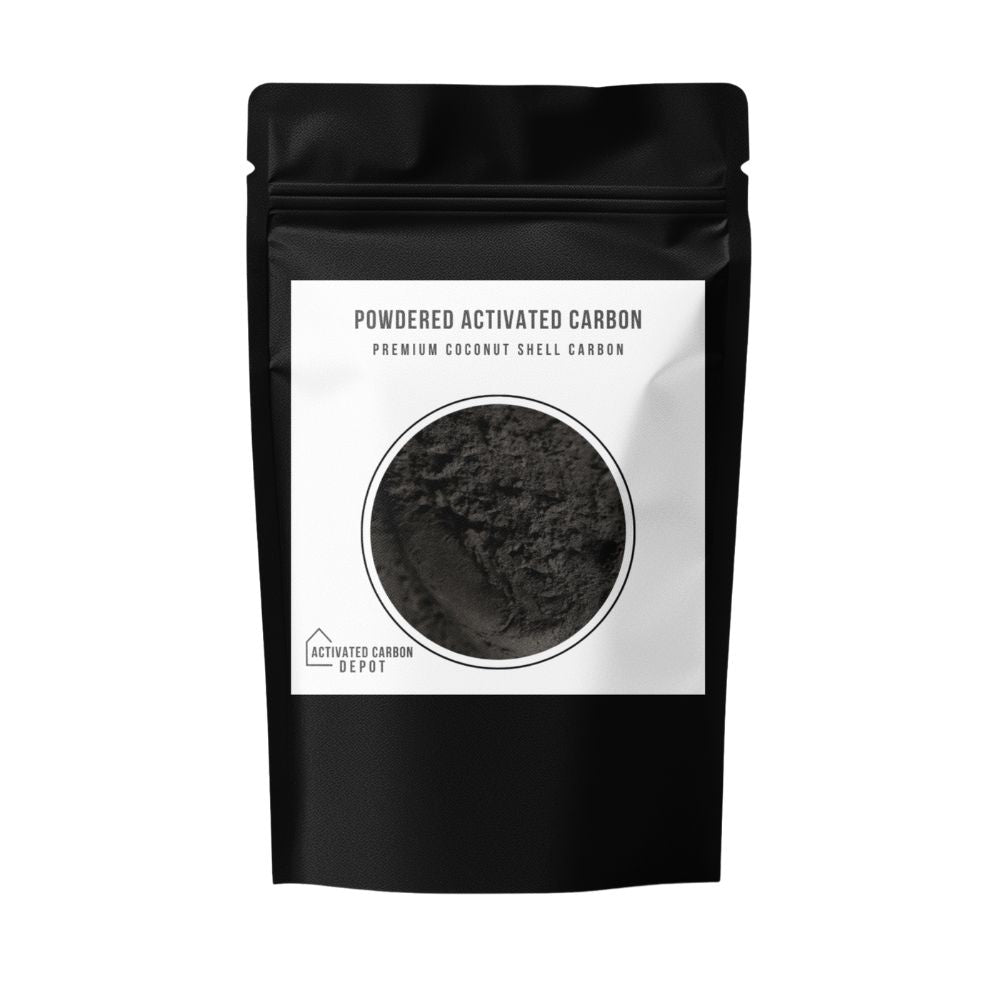
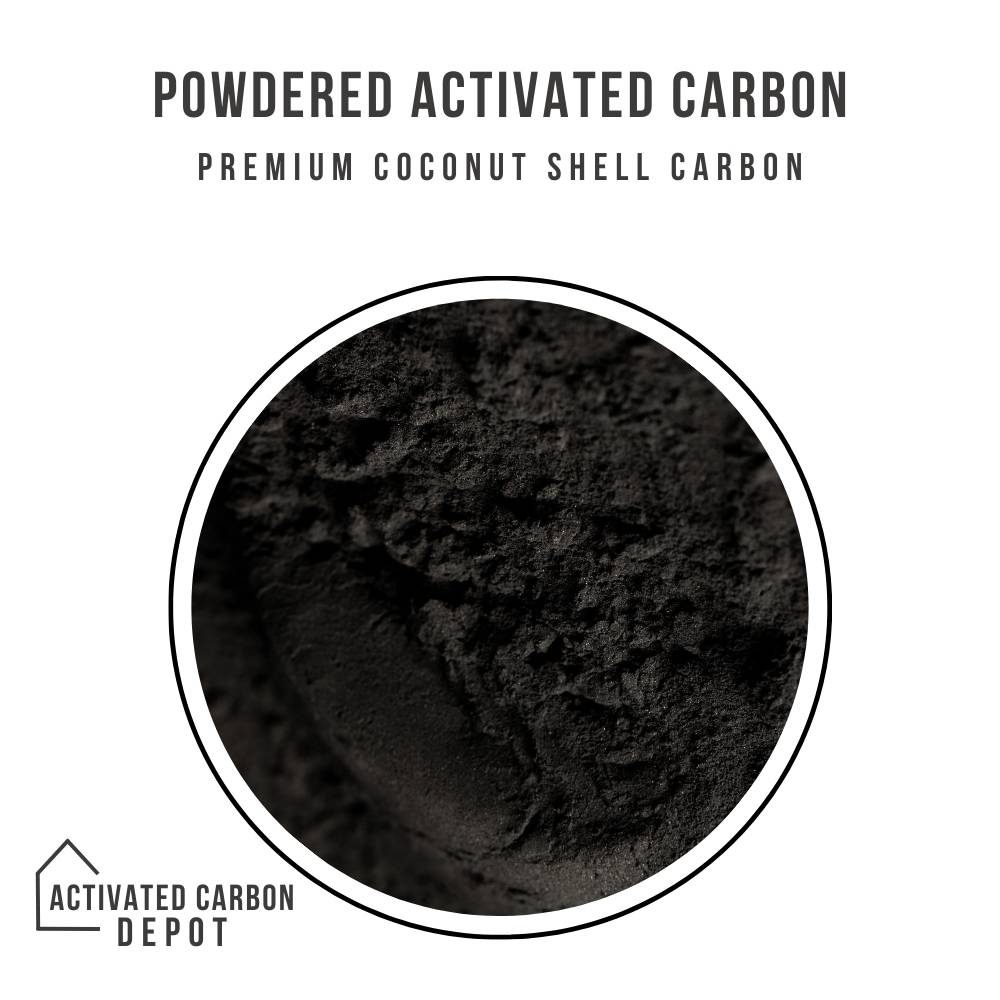
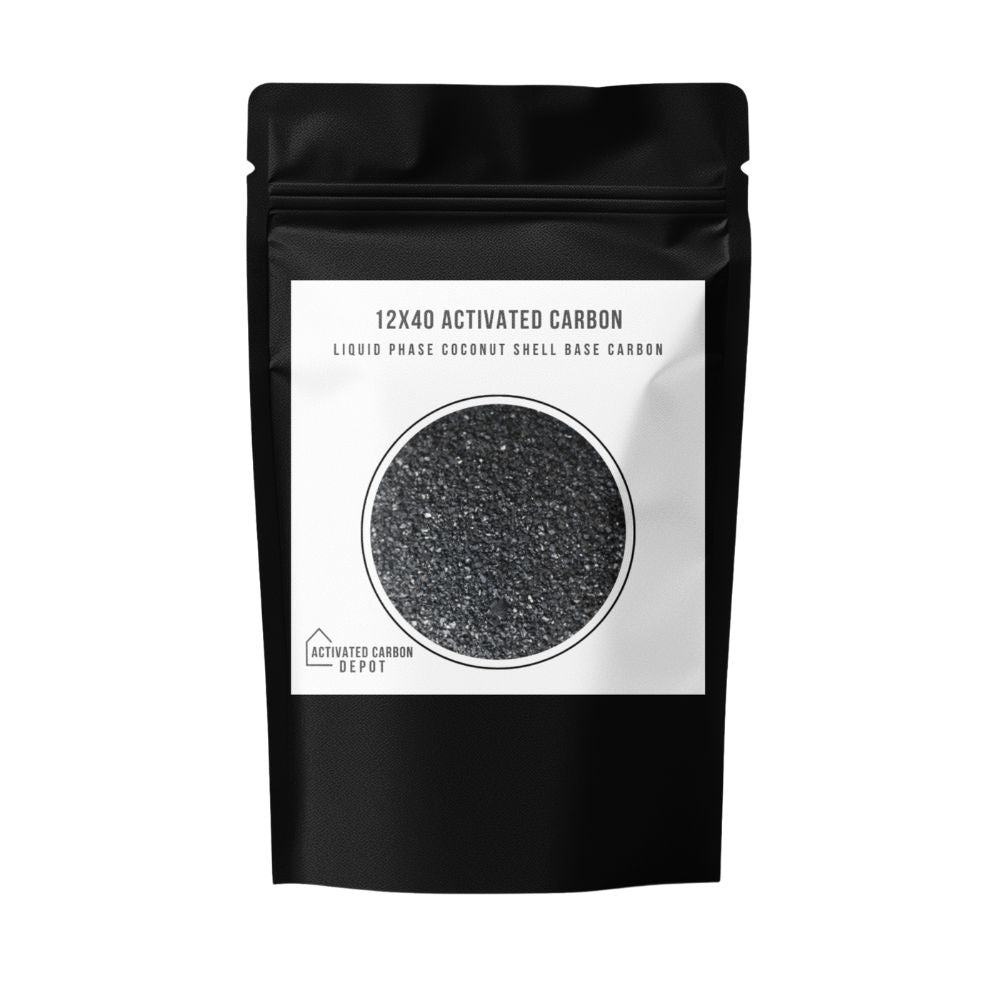
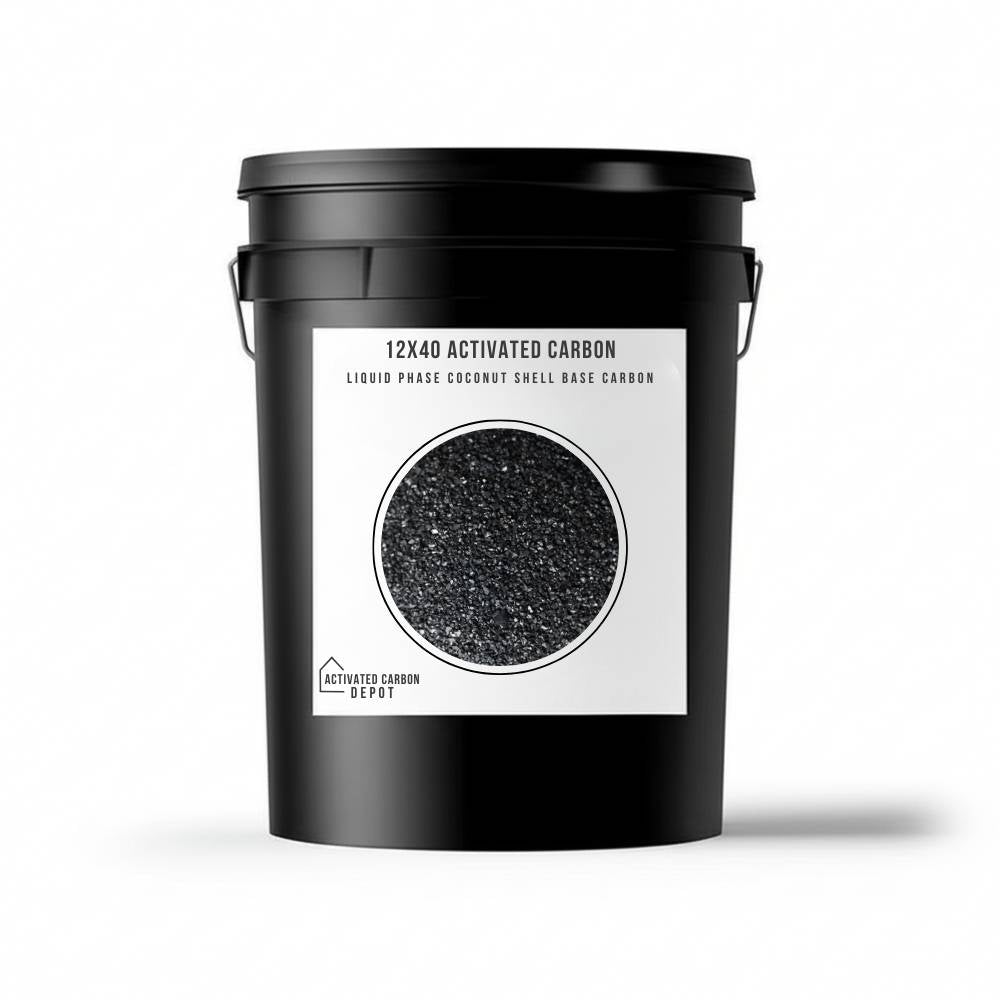
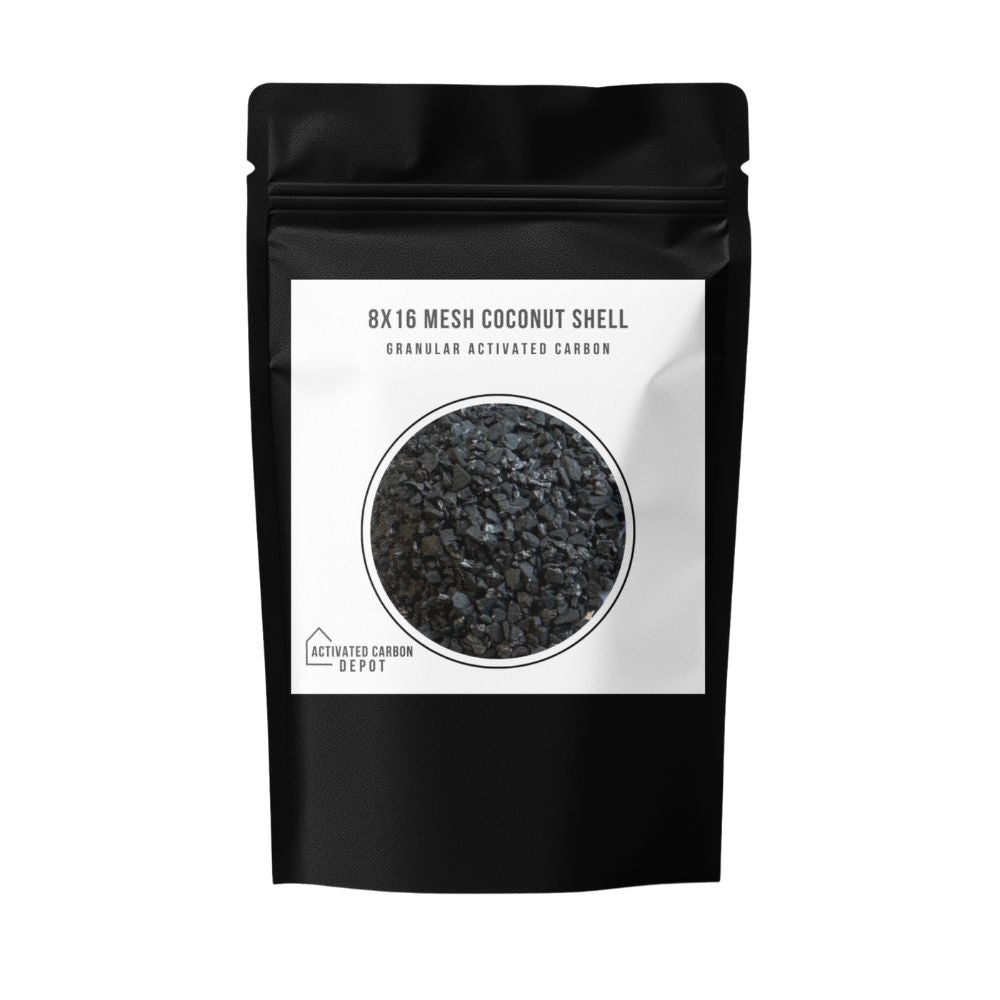
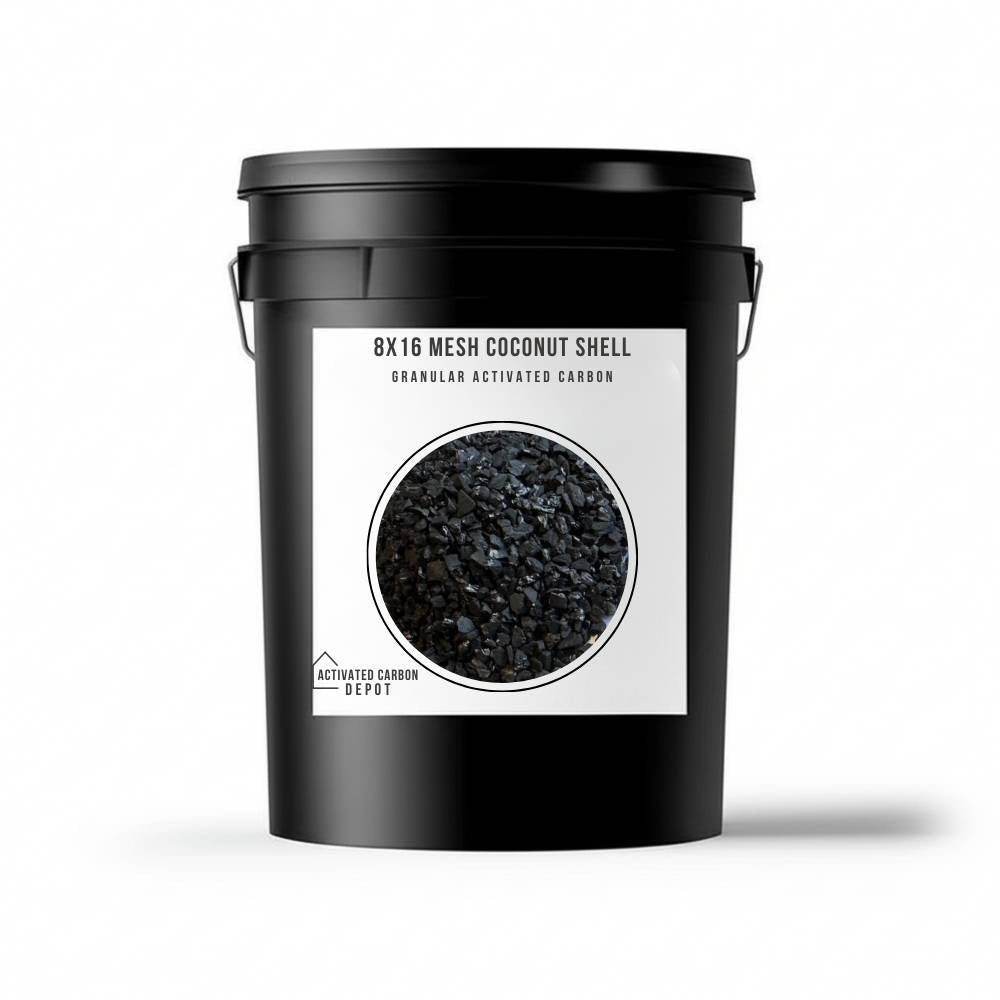
At Activated Carbon Depot, coconut shell activated carbon is one of the most popular options for drinking water filtration applications. Coconut shell carbon features a highly microporous structure, excellent adsorption performance, strong taste and odor reduction, low ash content, and cleaner filtration media for potable water applications. It is especially effective for removing smaller organic molecules commonly found in drinking water systems.
Granular Activated Carbon vs Carbon Block Filters
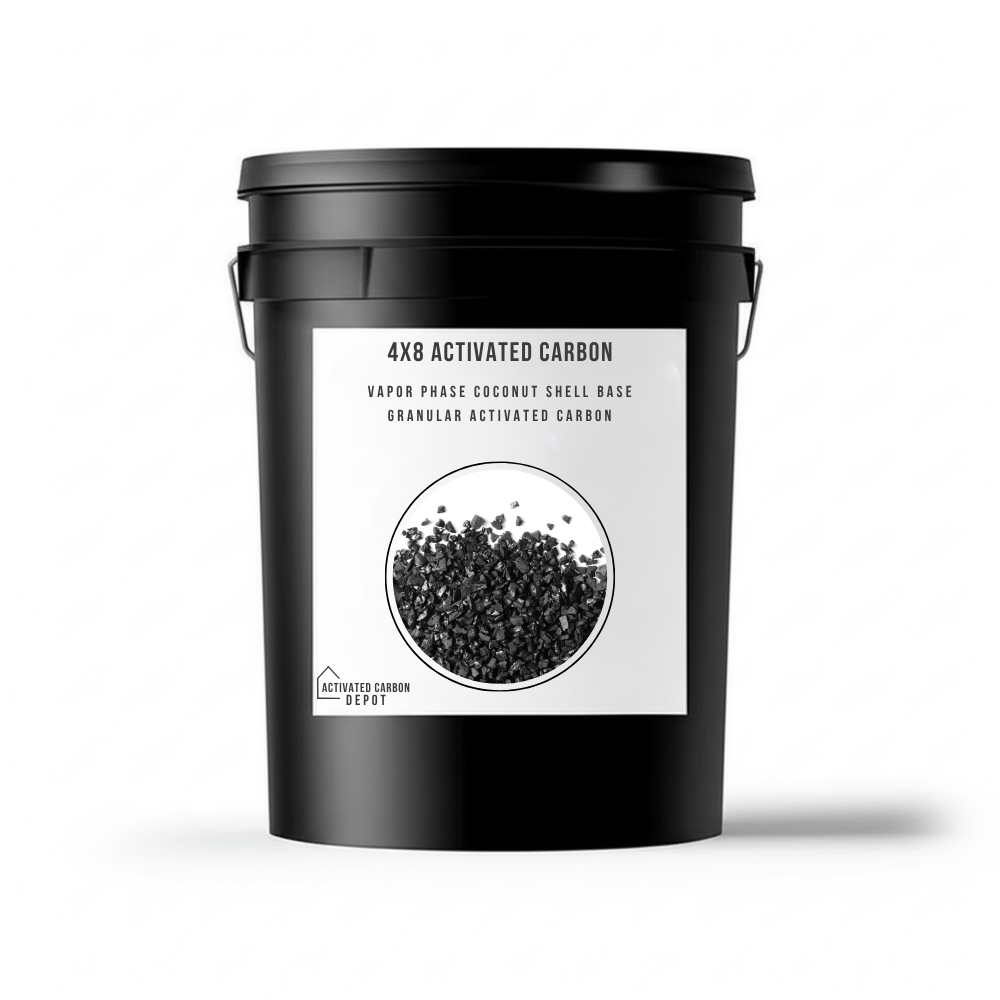
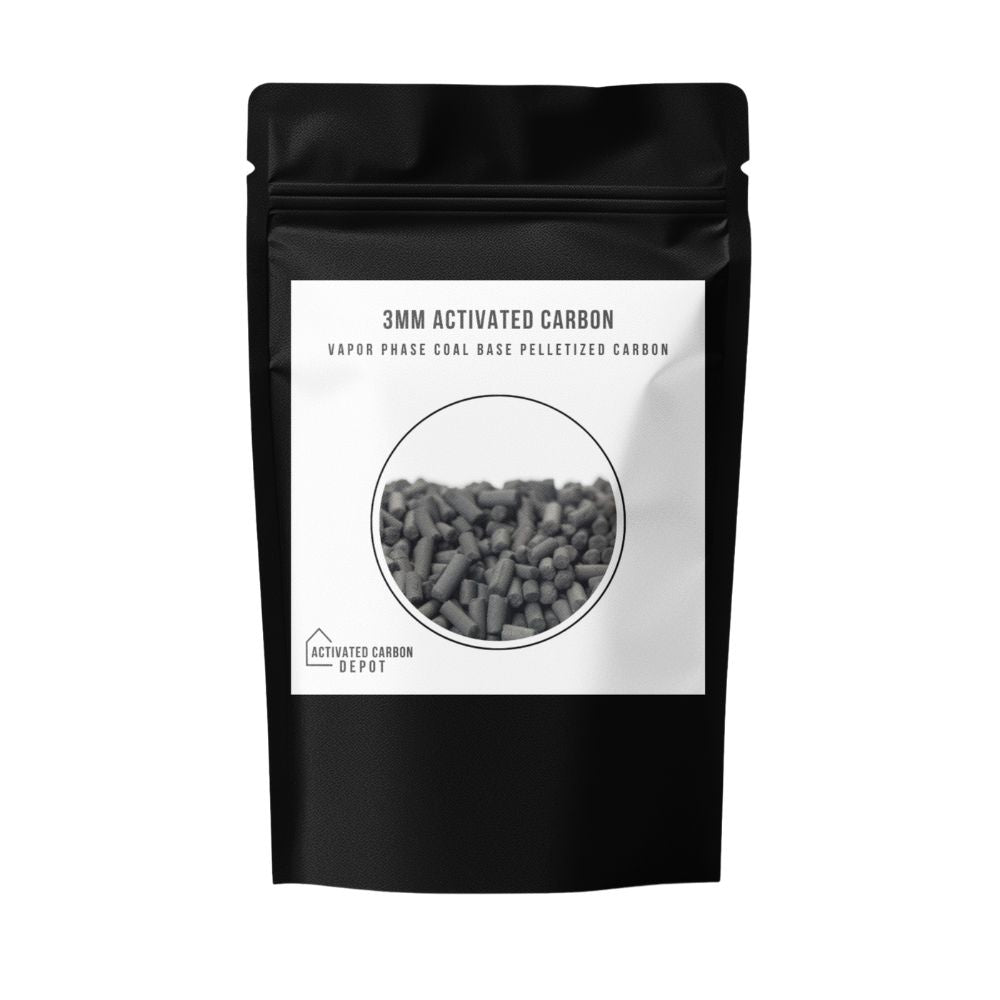
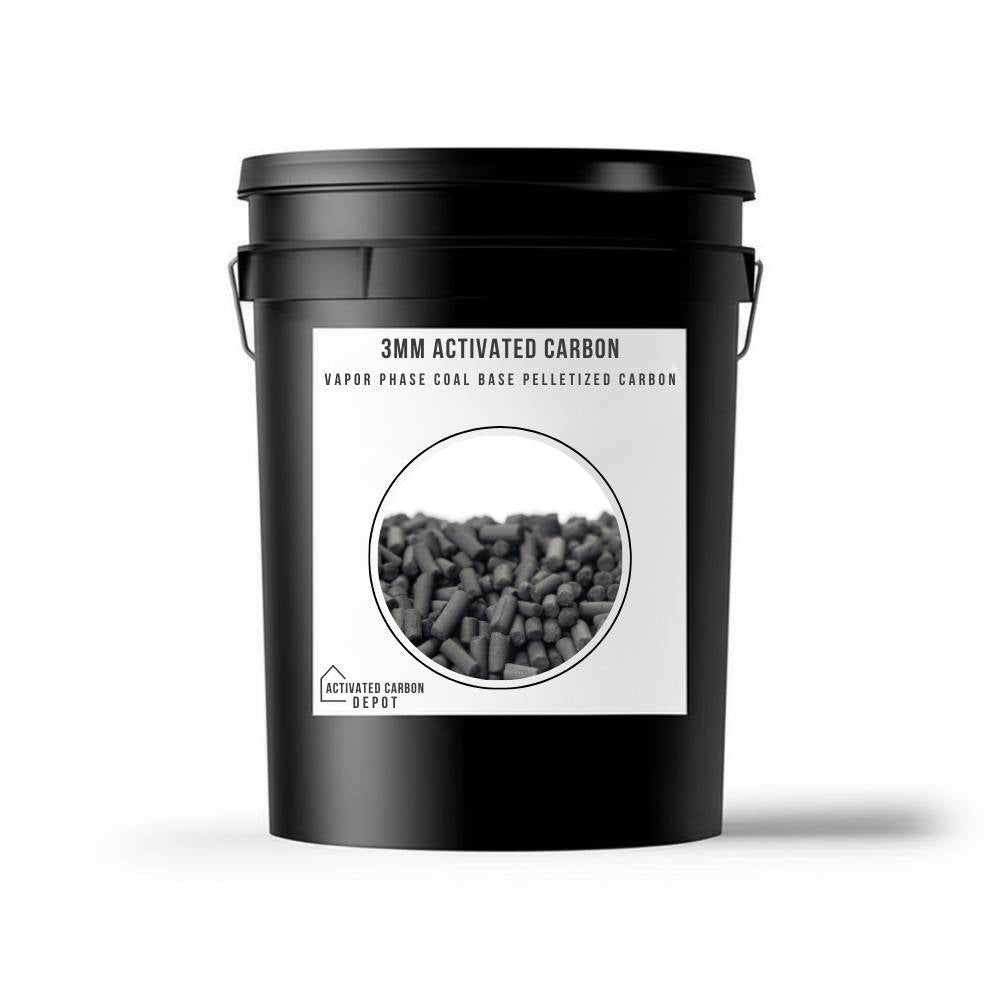
For well water systems, granular activated carbon (GAC) is often preferred because it works well for whole-house filtration, backwashing systems, and large-volume water treatment. GAC systems allow water to flow through loose carbon granules, offering excellent taste and odor removal, high flow rates, and easy media replacement.
Signs Your Well Water Could Benefit From Activated Carbon
- Bad tasting drinking water
- Sulfur or chemical odors
- Staining or discoloration concerns
- Water that smells worse after sitting
- Ice cubes with unpleasant taste or odor
Even when water appears clear, dissolved organic compounds can still affect taste and smell.
Why Proper Media Selection Matters
Not all activated carbon is suitable for drinking water filtration. At Activated Carbon Depot, we strongly recommend selecting high-quality activated carbon specifically intended for water filtration with strong adsorption properties. Low-quality carbon can lead to poor filtration performance, excess fines or dust, shorter lifespan, and reduced contaminant removal.
How Long Does Activated Carbon Last in Well Water Systems?
Carbon lifespan depends on water quality, water usage, contaminant concentration, and system size. Common signs that replacement may be needed include odors returning, reduced taste improvement, and decreased filtration performance. Routine maintenance is important for consistent water quality.
Final Thoughts
Well water quality can vary significantly, but activated carbon remains one of the most effective tools for improving taste, odor, and overall drinking water quality. When properly selected and maintained, activated carbon filtration systems help create cleaner-tasting water, fresher-smelling water, and better overall drinking water quality.
At Activated Carbon Depot, we’ve seen firsthand how the right activated carbon can dramatically improve well water systems—and for many homeowners, the difference is immediately noticeable.
Shop Activated Carbon for Well Water
High-quality coconut shell activated carbon for well water filtration, taste improvement, and odor removal: