Pet owners are constantly looking for safe, natural ways to keep their homes clean and odor-free, especially when living with cats, dogs, or small animals. From litter boxes and dog beds to cages and aquariums, pet-related odors can build up quickly even with regular cleaning. Activated carbon has become a popular solution because it is known for absorbing odors, filtering air, and improving indoor environments without relying on artificial fragrances. Still, many pet owners ask an important question before using it: is activated carbon safe for pets, and when should it be used? When used correctly, activated carbon is widely considered safe and is already used in veterinary medicine, aquarium filtration, and pet-friendly households around the world.
What Activated Carbon Does and Why It Helps Pet Owners
Activated carbon is made from natural materials such as coconut shells, wood, or coal that are heated and processed to create millions of microscopic pores across the surface. These pores trap odor-causing gases and organic compounds through a process called adsorption, where molecules physically bind to the surface of the carbon. Because of this structure, activated carbon removes odors instead of masking them, making it especially effective for pet owners who want real odor control without introducing fragrances that may irritate animals. This ability to capture odors at a molecular level is why activated carbon is trusted in both medical and environmental applications and why it performs so well in pet-related home uses.
Is Activated Carbon Safe for Pets?
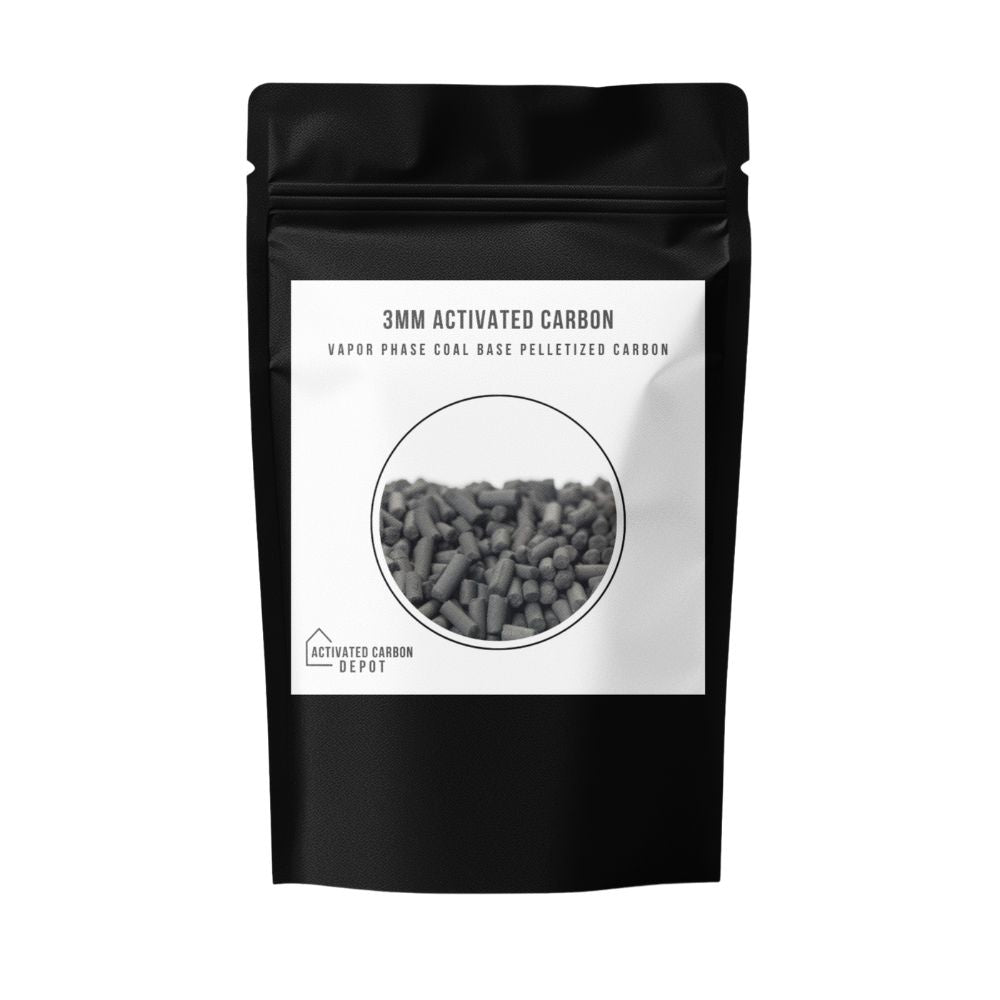
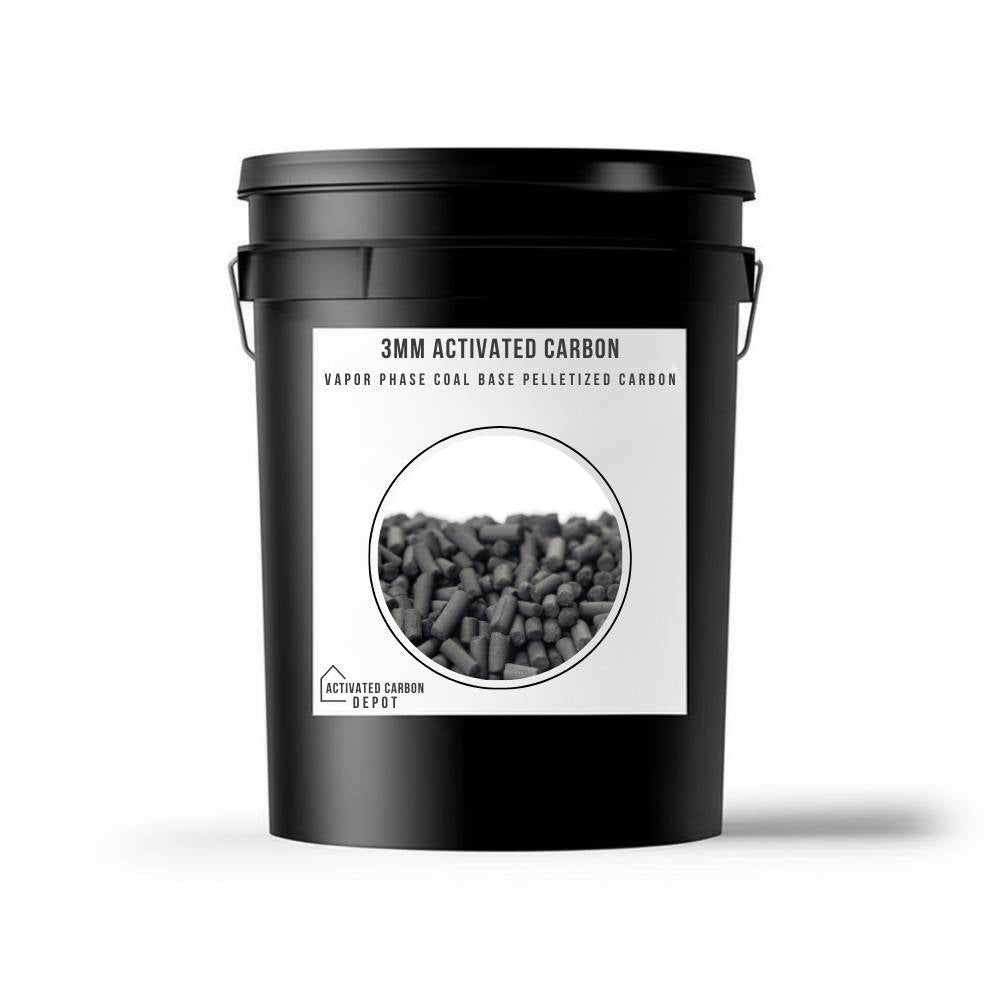
Activated carbon is non-toxic, fragrance-free, and safe for pets when used properly. Veterinarians commonly administer activated carbon internally in emergency situations to bind toxins and prevent absorption, which highlights its safety when handled correctly. In the home, activated carbon should always be kept contained in pouches, filters, jars, or ventilated holders so pets cannot ingest it. While it is not poisonous, eating loose carbon granules may cause digestive discomfort, so it is important to keep it out of reach of curious pets. Pellet or granular activated carbon is the best choice for households with pets because it produces very little dust and stays securely contained.
Using Activated Carbon for Cat Litter Box Odor
Litter boxes are one of the most common sources of pet odor in a home, largely due to ammonia and sulfur compounds released from cat waste. Activated carbon is highly effective at absorbing these odors before they spread into surrounding rooms. It can be mixed directly into litter, placed in pouches beside or behind the litter box, used inside hooded litter box filter compartments, or sprinkled beneath litter mats to absorb odors from tracked litter. These methods work with any litter type and provide continuous odor control without relying on chemical deodorants or scented products that cats may dislike.
Using Activated Carbon for Dogs and Dog Bedding
Dog beds, crates, and kennels naturally absorb odors from fur, skin oils, moisture, and everyday use. Activated carbon helps neutralize these smells by continuously absorbing odor molecules from the surrounding air. Placing carbon pouches under dog beds, inside crates, or near kennels keeps these areas fresher between washes. Many pet owners also use activated carbon in cars to reduce lingering dog odors after trips, grooming appointments, or outdoor adventures. Because it works silently and without fragrance, it keeps spaces fresh without overwhelming a dog's sensitive sense of smell.
Activated Carbon for Small Pet Habitats
Small pets such as rabbits, guinea pigs, hamsters, ferrets, and birds often live in enclosed environments where odors can accumulate quickly. Activated carbon can be placed near cages or enclosures in ventilated containers to help absorb ammonia and organic odors from bedding and waste. It should never be placed loose inside the habitat but instead positioned nearby to improve overall air quality. This approach works alongside routine cleaning and helps prevent pet odors from spreading throughout the room or home.
Activated Carbon Use in Aquariums
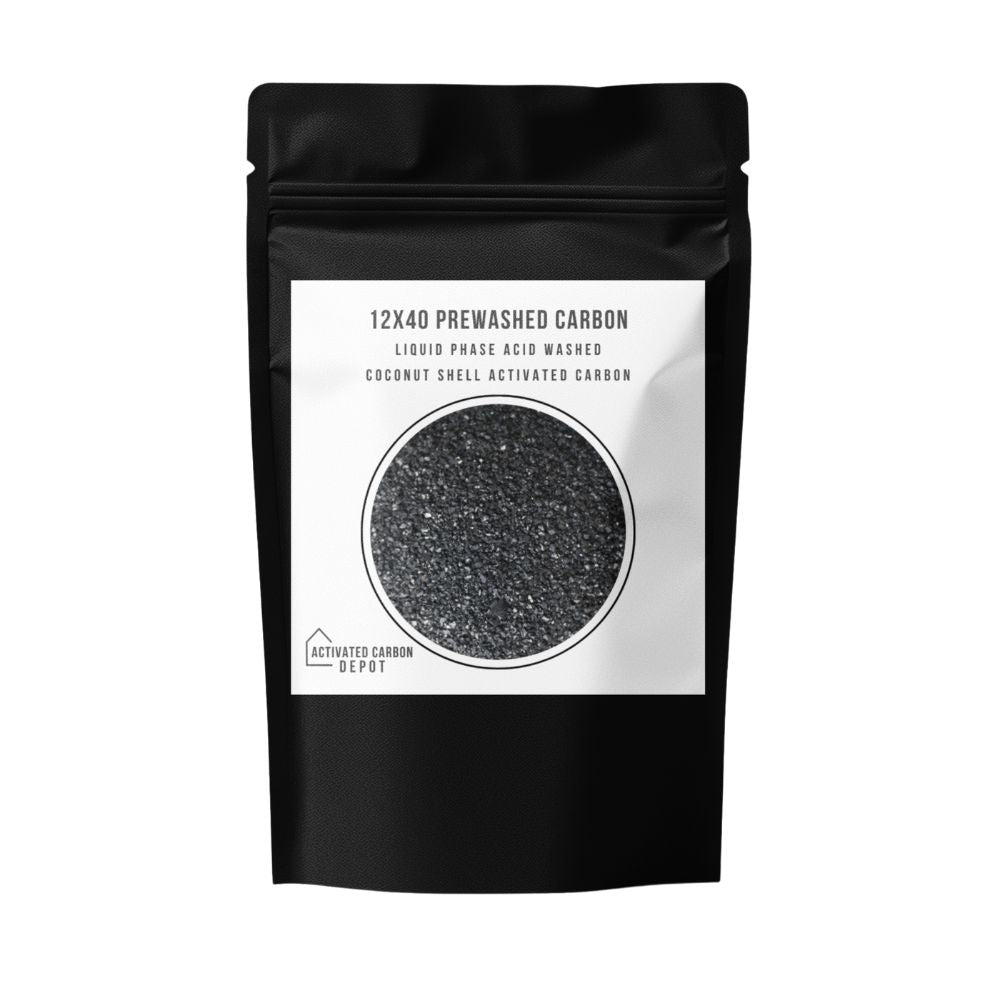
Activated carbon is commonly used in aquarium filtration systems to remove organic waste, chlorine, and residual medications from water. This helps maintain clear water and supports healthier aquatic environments for fish and other aquatic life. For aquarium use, activated carbon must be replaced regularly because once its pores are full, it can no longer absorb contaminants effectively. Using the correct grade and replacing it on schedule ensures optimal water quality and filtration performance.
Managing General Pet Odors Around the Home
Beyond specific pet areas, activated carbon is highly effective for controlling general pet-related odors throughout the home. Common problem areas include pet food storage, trash cans with pet waste, laundry rooms, closets holding leashes and pet gear, bathrooms with litter boxes, and entryways where pets frequently pass through. Placing activated carbon in these locations helps absorb odors at the source and keeps indoor air fresher overall. Some homeowners also place carbon near air vents or returns to support broader air circulation and odor reduction.
Choosing the Right Type of Activated Carbon for Pets
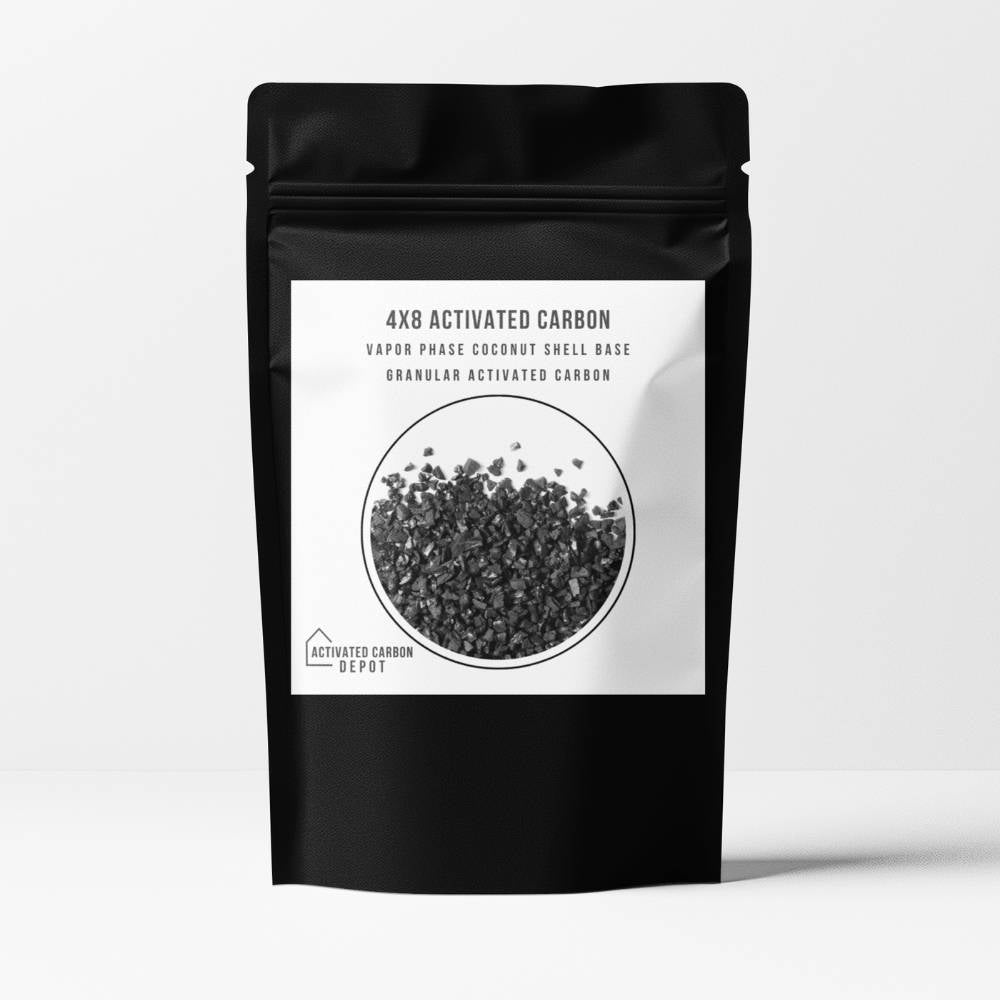
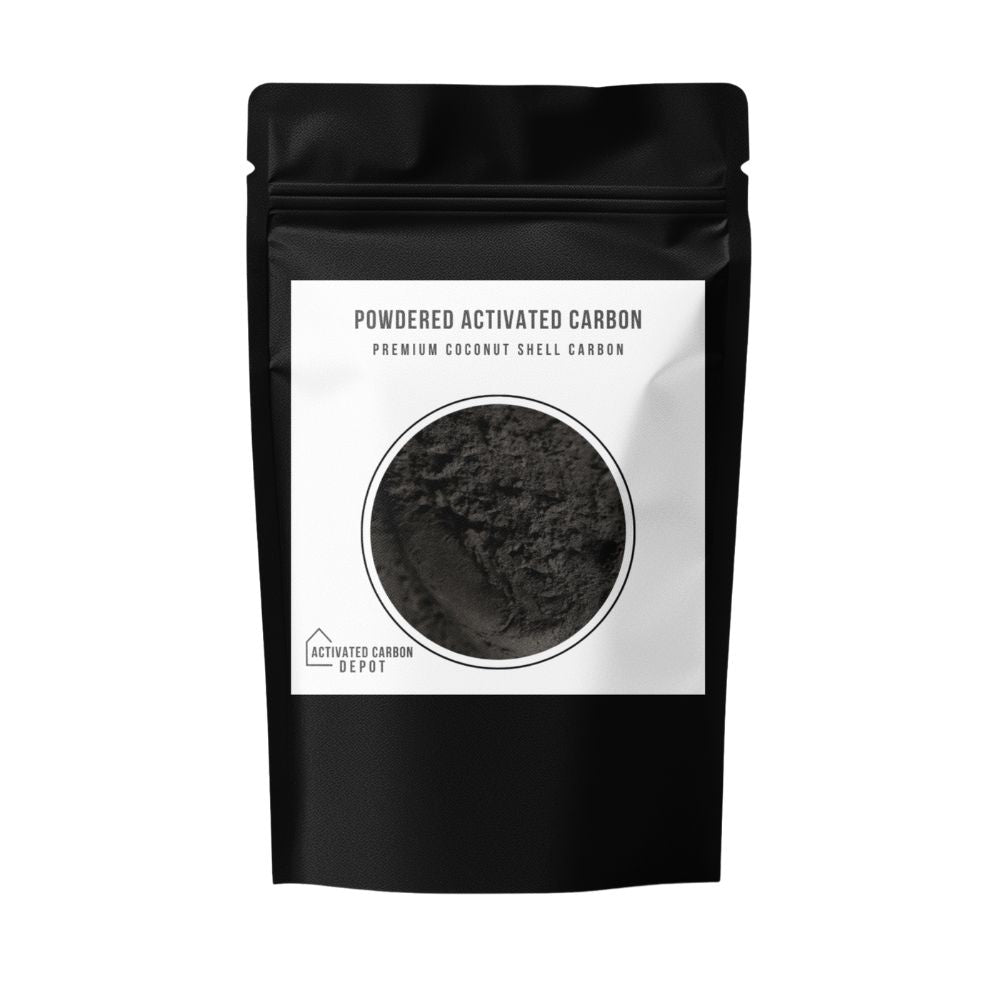
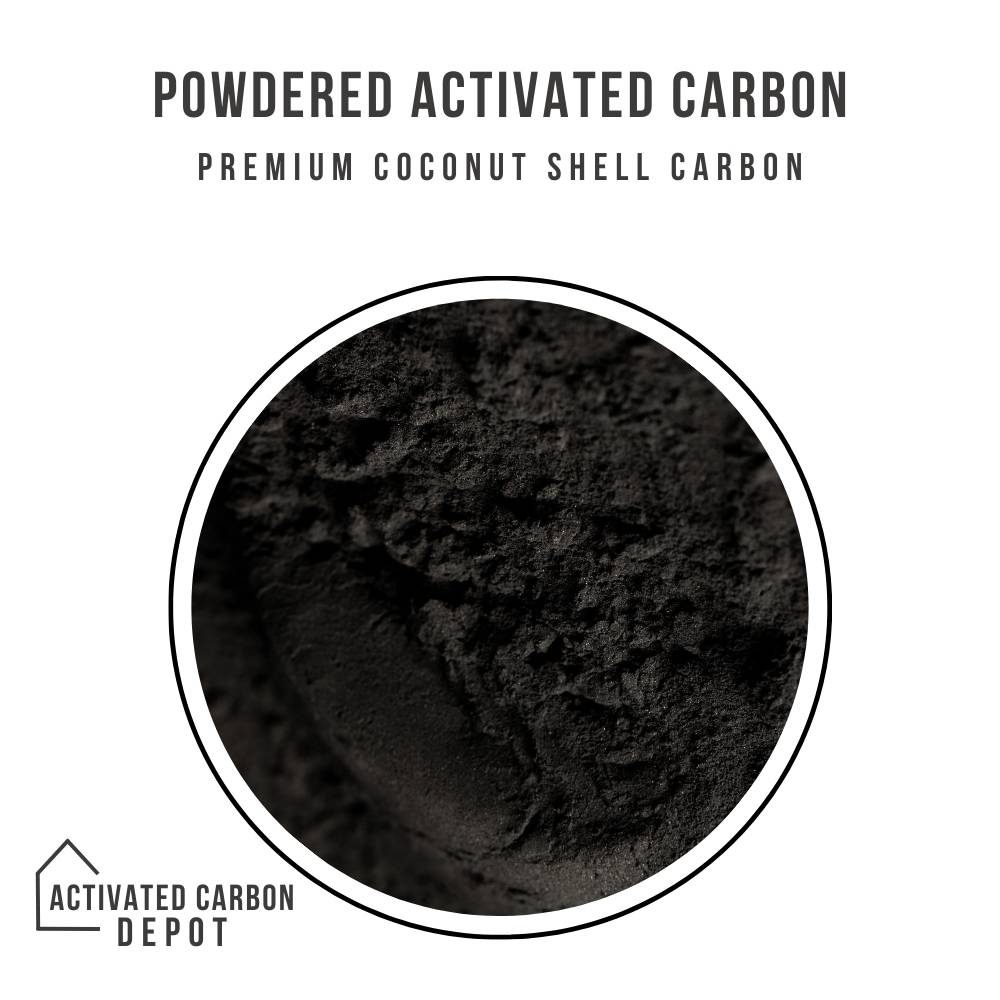
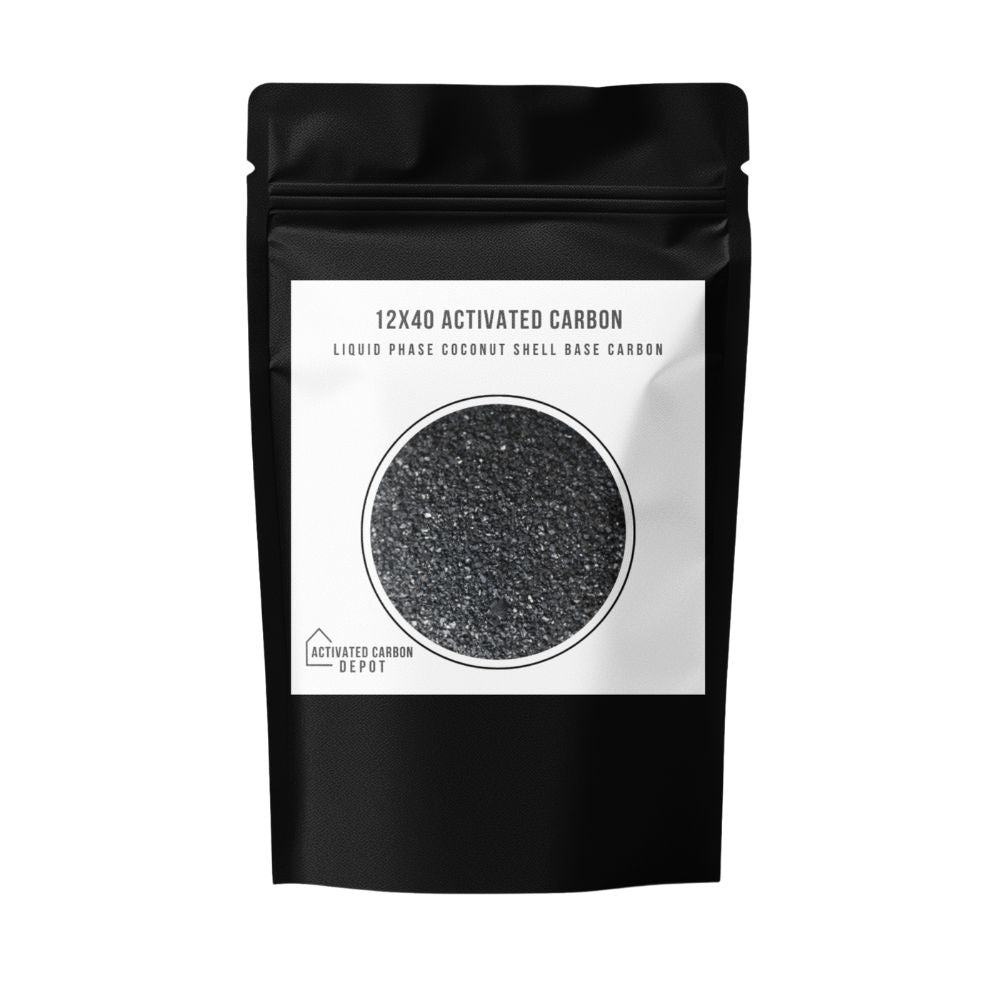
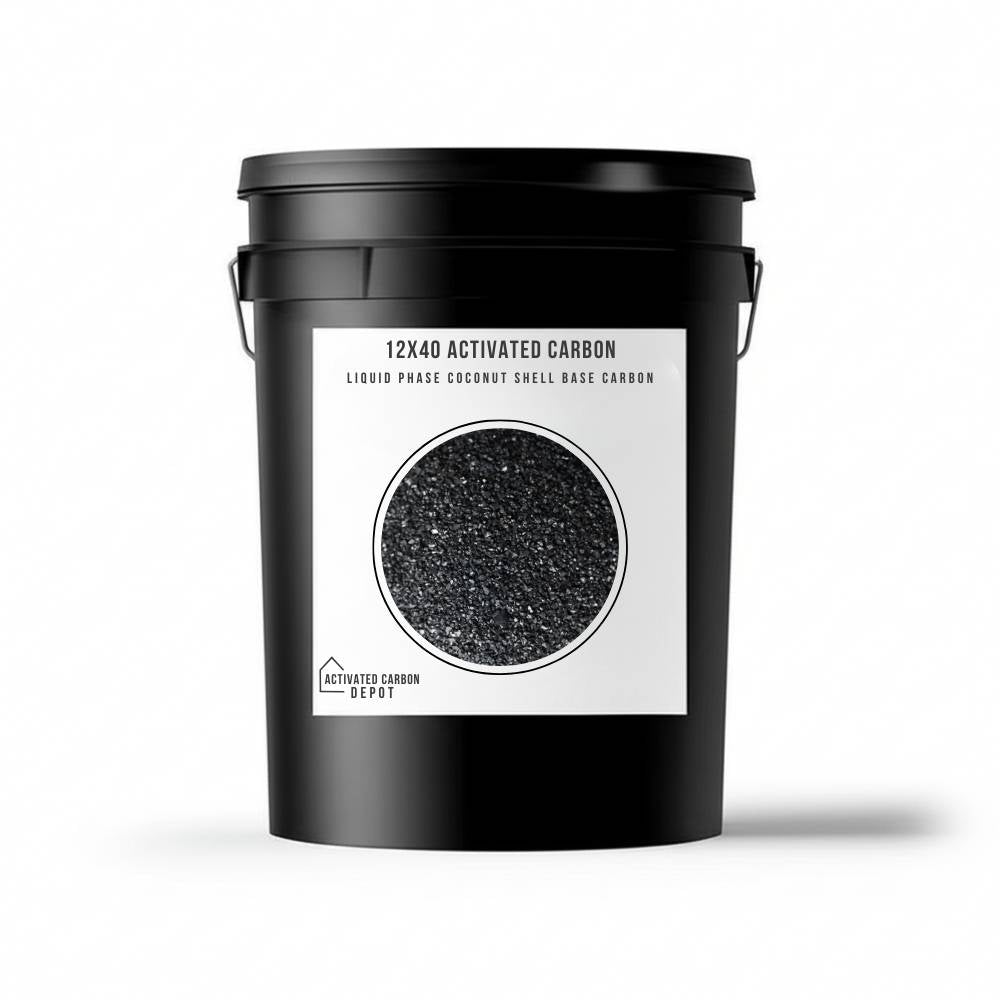
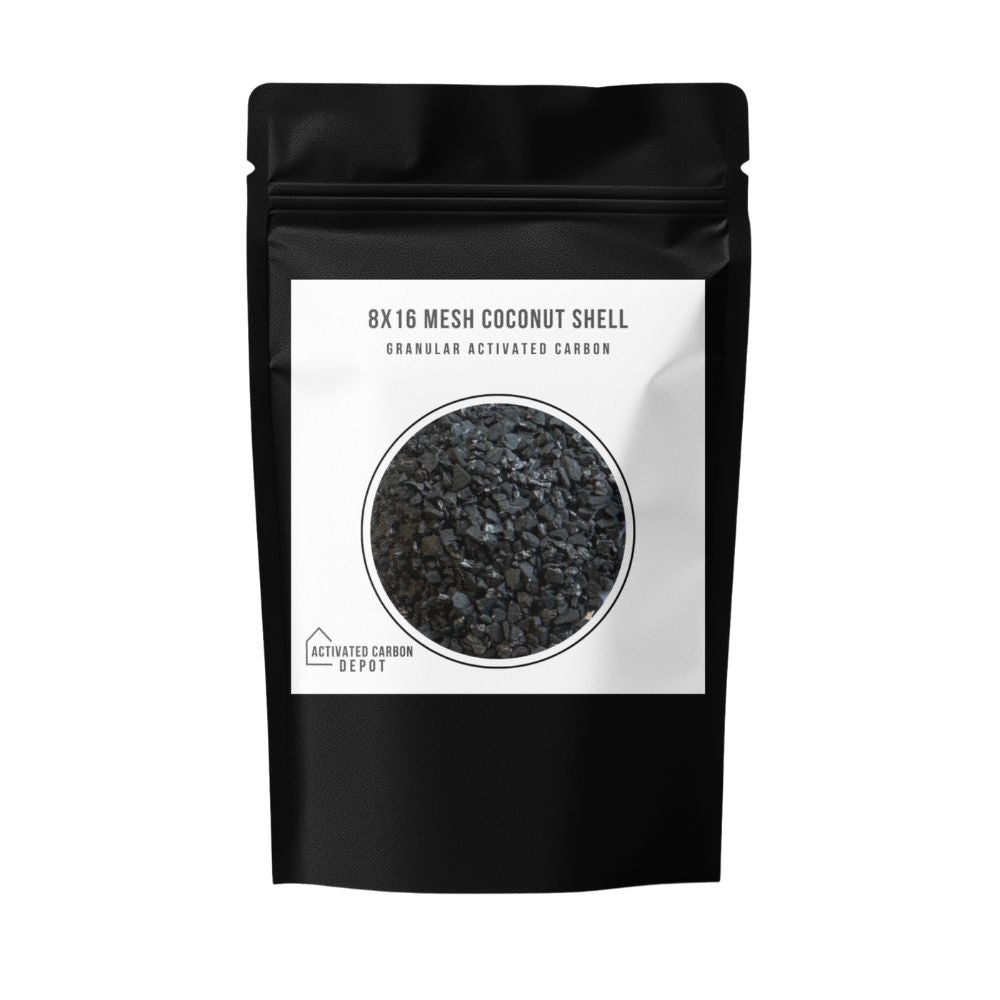
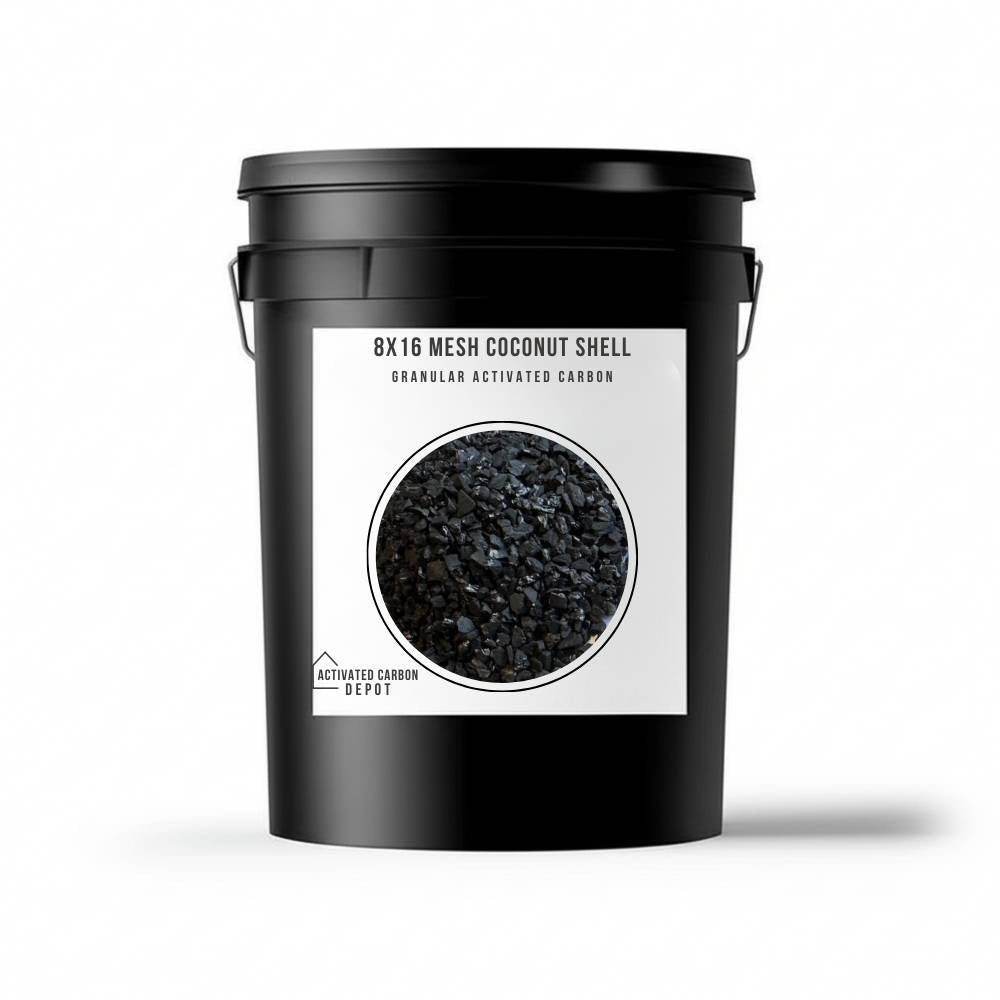
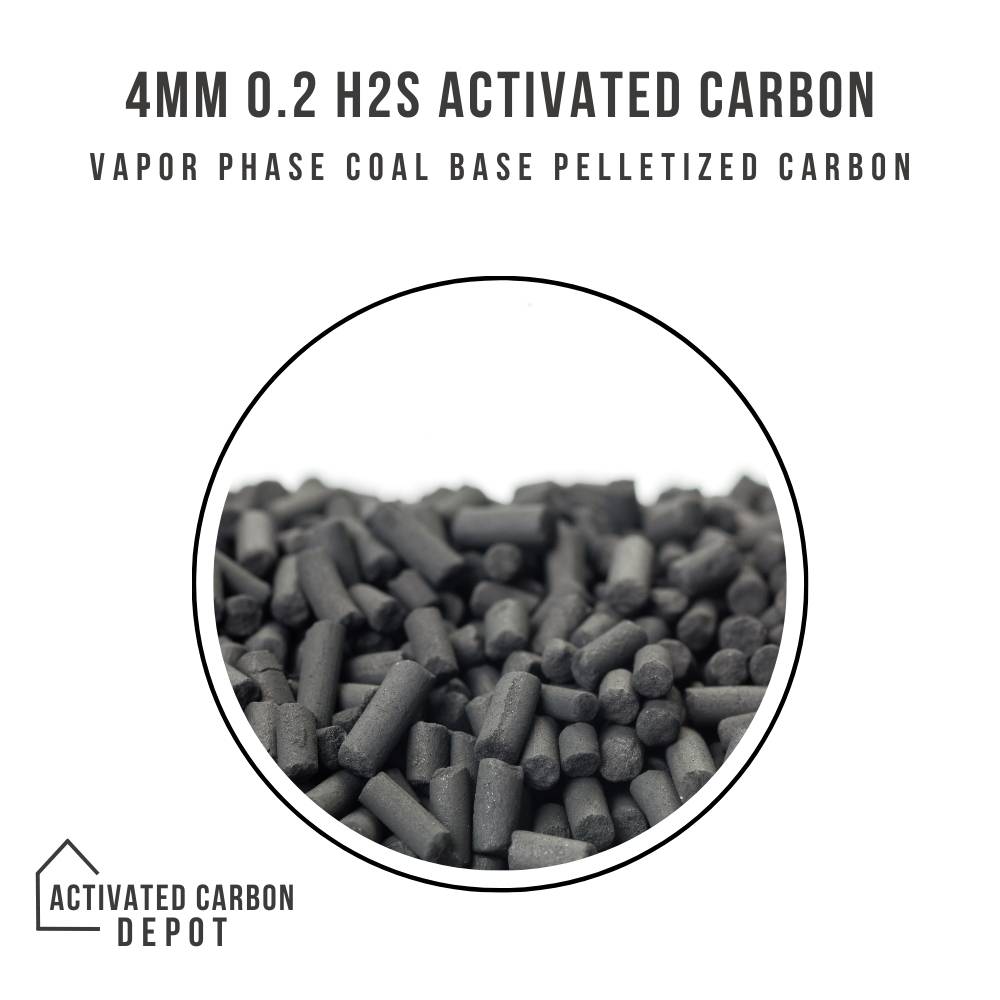
For pet-friendly households, granular or pellet activated carbon is typically the best option because it produces minimal dust and is easy to contain. Powdered activated carbon is better suited for controlled applications and should be avoided in open areas where it could become airborne. Choosing acid-free, fragrance-free, low-dust carbon made from natural materials ensures safe and effective use around pets while maximizing odor absorption.
Final Thoughts
Activated carbon is a safe, effective, and natural solution for pet owners who want to manage odor and improve indoor air quality. When used in contained forms and placed strategically throughout the home, it poses no risk to pets and delivers noticeable results. Whether you are dealing with litter boxes, dog bedding, small pet habitats, aquariums, or general household pet odors, activated carbon offers a low-maintenance, chemical-free way to keep your home smelling clean while keeping your pets comfortable.
Shop Activated Carbon for Pets
Natural, fragrance-free odor control that's safe for your pets and effective for your home: