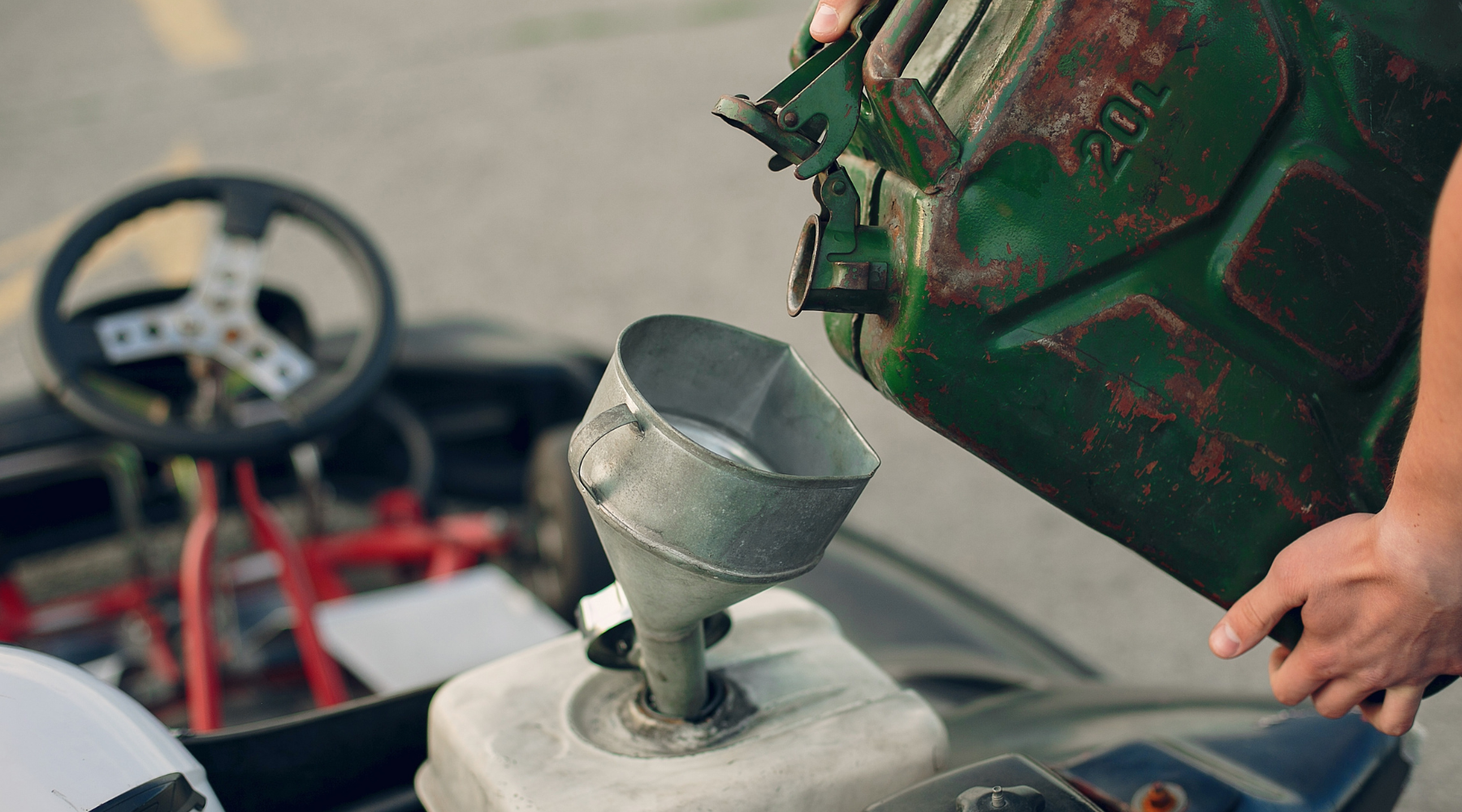
Fuel vapors are one of the most overlooked sources of air pollution and odor in automotive and fuel storage systems. If you've ever noticed a strong gasoline smell around a vehicle, garage, or piece of equipment, there's a good chance vapor control isn't working as it should.
At Activated Carbon Depot, we've worked with a wide range of vapor-phase filtration applications, and one thing remains consistent: the quality of the activated carbon inside a fuel vapor canister directly determines how well the system performs.
In this guide, we'll break down how activated carbon works inside fuel vapor canisters, why it's essential for EVAP systems, and how choosing the right carbon can dramatically improve performance, odor control, and emissions.
What Is a Fuel Vapor Canister and Why It Matters
Fuel vapor canisters are a key component of EVAP (Evaporative Emission Control) systems. Their job is simple but critical—capture gasoline vapors before they escape into the atmosphere.
Gasoline naturally evaporates, especially with temperature changes. Without a vapor control system, these fumes would escape into the air, create strong, persistent odors, and contribute to smog and environmental damage.
Instead, vapors are routed into a canister filled with activated carbon, where they are temporarily stored. When the engine runs, those vapors are purged and burned during combustion.
How Activated Carbon Captures Gasoline Vapors
Activated carbon is specifically engineered for adsorption. At Activated Carbon Depot, we focus on thermally activated carbon because it produces a highly developed pore structure that is ideal for vapor-phase applications. These microscopic pores create an enormous surface area, allowing the carbon to trap hydrocarbon molecules found in gasoline vapors including benzene, toluene, xylene, and other volatile organic compounds (VOCs).
Why Carbon Quality Makes or Breaks the System
Not all activated carbon is created for vapor filtration. Underperforming carbon leads to persistent gasoline odors, early saturation, reduced airflow inside the canister, and EVAP system inefficiencies. When carbon is not properly activated or sized, it cannot effectively balance adsorption capacity and airflow, which are both critical in fuel vapor applications.
What to look for:
- Thermally activated carbon for superior pore development
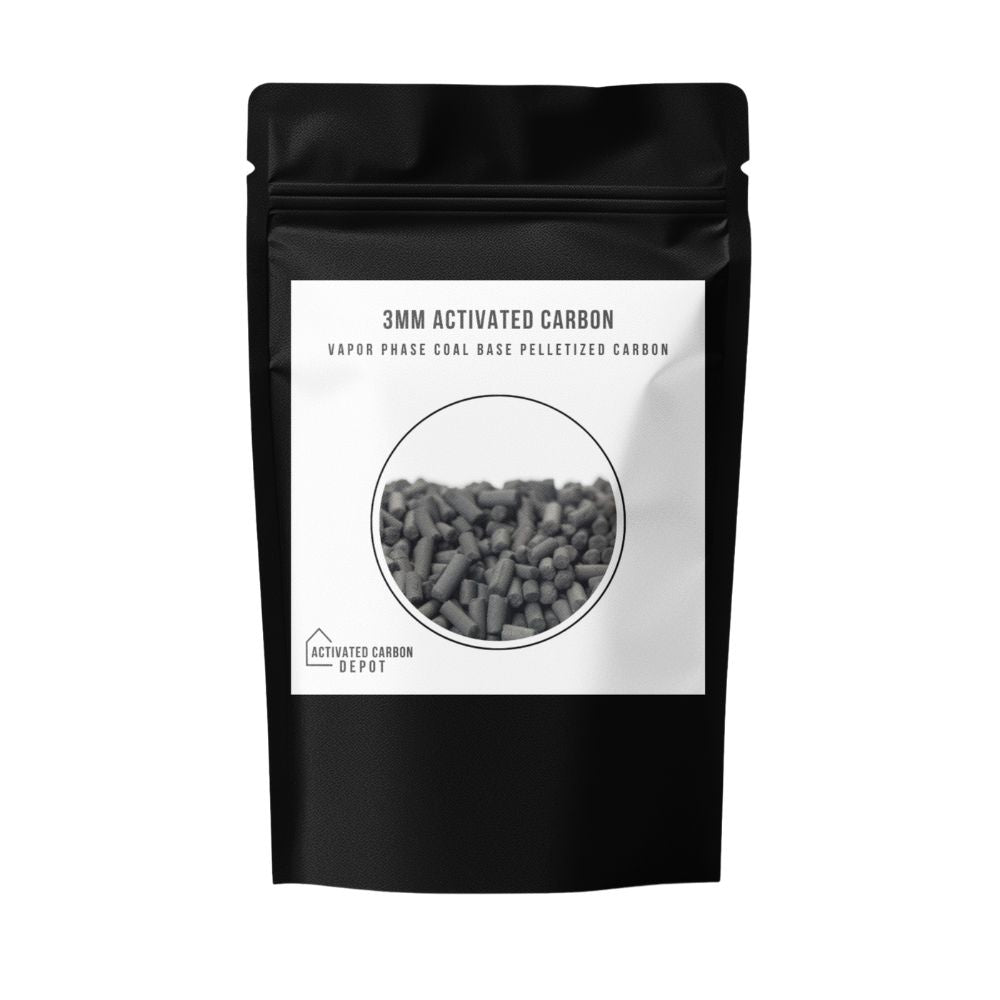
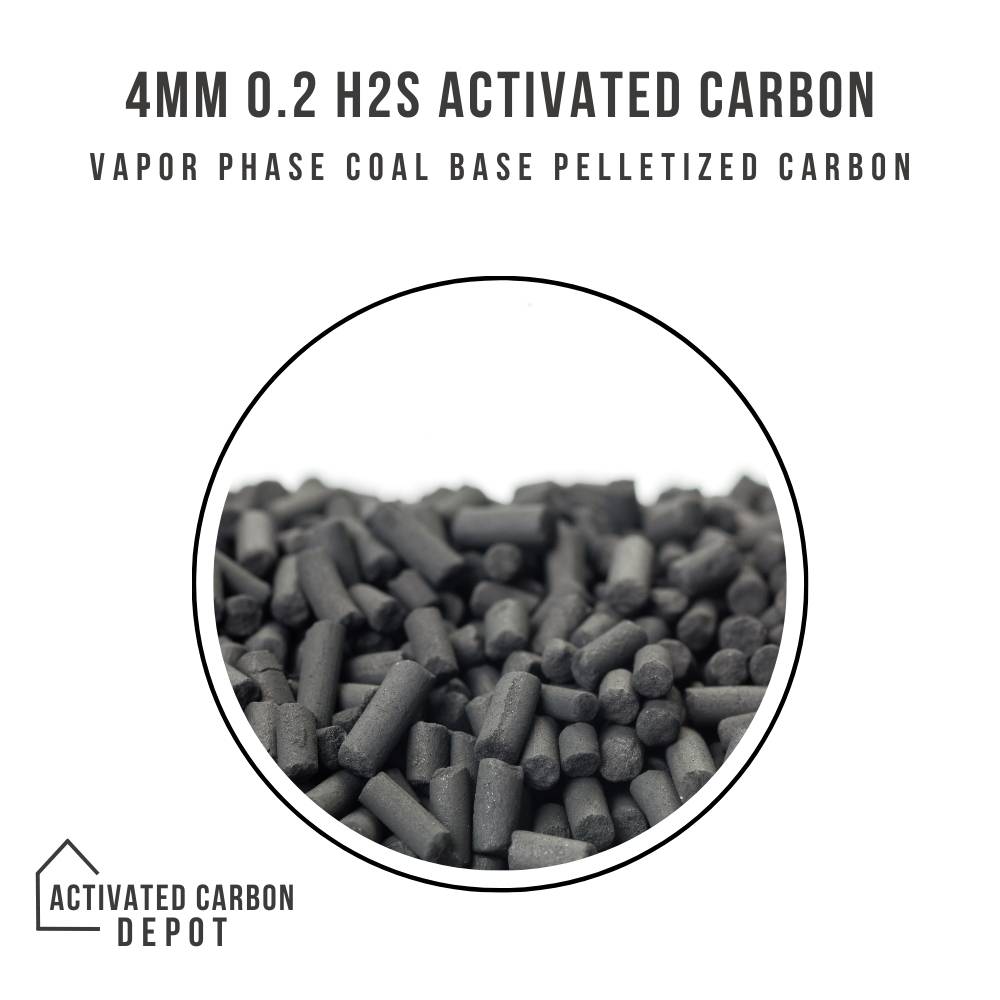
- Consistent pellet size to maintain airflow
- Low dust content to prevent clogging
- High adsorption capacity for hydrocarbons
Signs Your Fuel Vapor Canister Carbon Needs Replacement
Over time, activated carbon becomes saturated. Once the pores are filled, it can no longer capture additional vapors. Common indicators include a noticeable gasoline smell near your vehicle or equipment, a check engine light related to the EVAP system, reduced effectiveness of vapor control, and increased emissions or failed inspections.
Applications Beyond Standard Automotive Use
While EVAP systems are the most common application, this type of carbon is also used in small engines (generators, lawn tools, off-road vehicles), fuel storage systems, custom automotive builds, and marine applications.
Best Practices for Refilling a Fuel Vapor Canister
- Do not overpack the canister—airflow is critical
- Ensure even distribution of the carbon media
- Avoid using dusty or inconsistent carbon
- Inspect internal filters or screens before reassembly
- Seal the system properly to prevent leaks
Final Thoughts
Fuel vapor control is critical for both performance and environmental responsibility. While the canister itself is important, it's the activated carbon inside that determines whether the system actually works. If you're experiencing fuel odors, EVAP issues, or reduced performance, the solution is often as simple as upgrading to a higher-quality carbon.
Shop Activated Carbon for Fuel Vapor Canisters
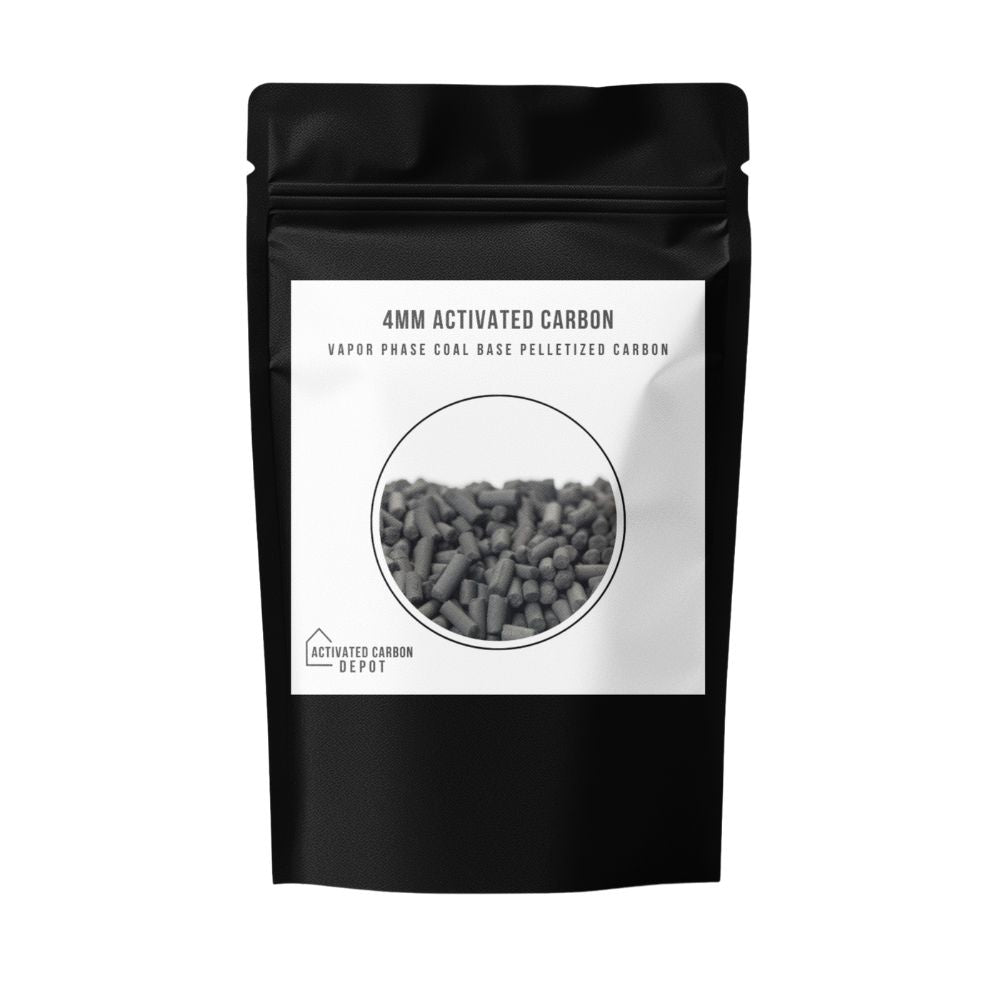
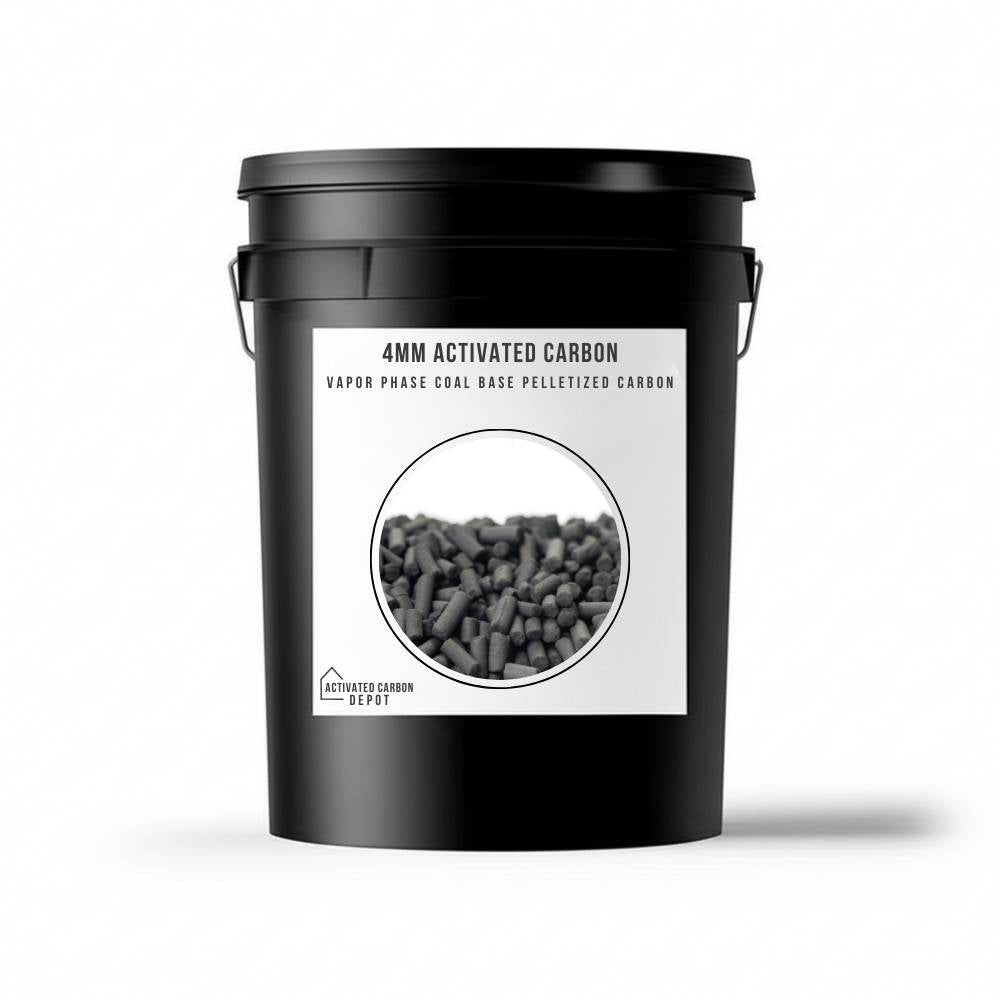
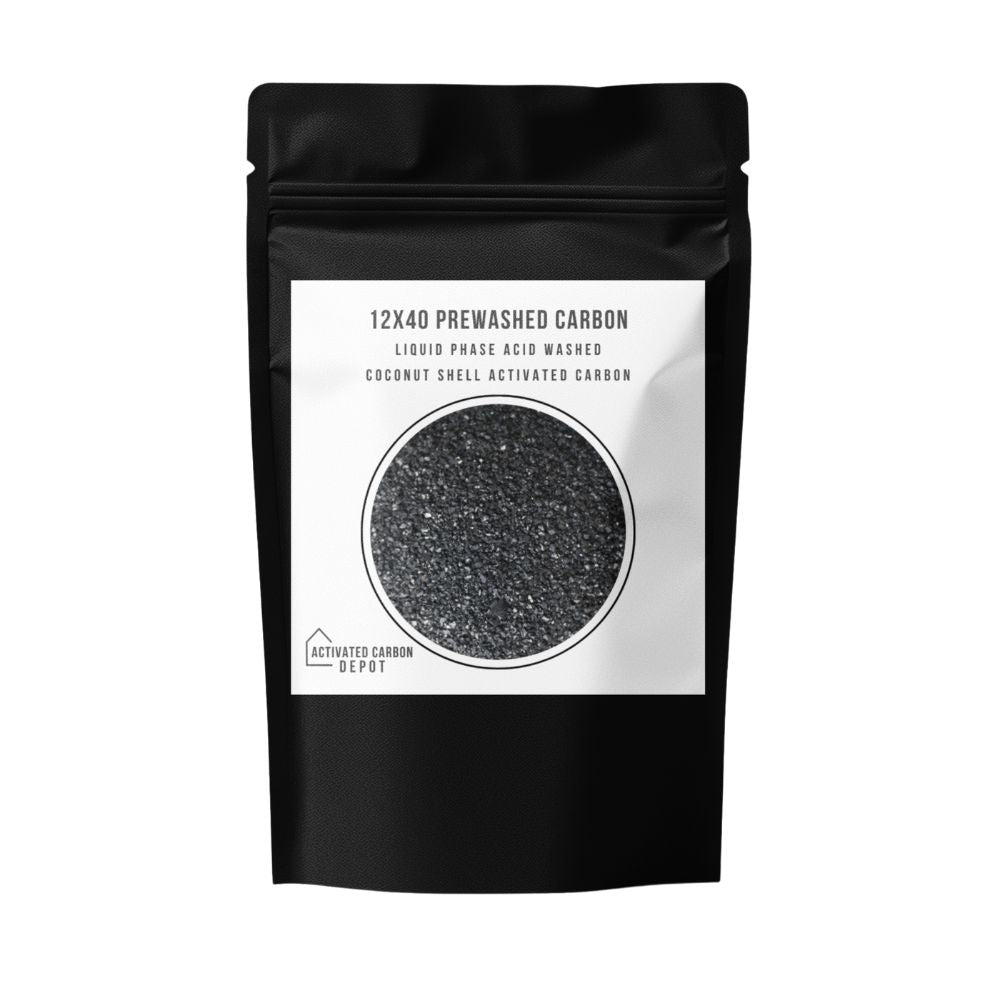
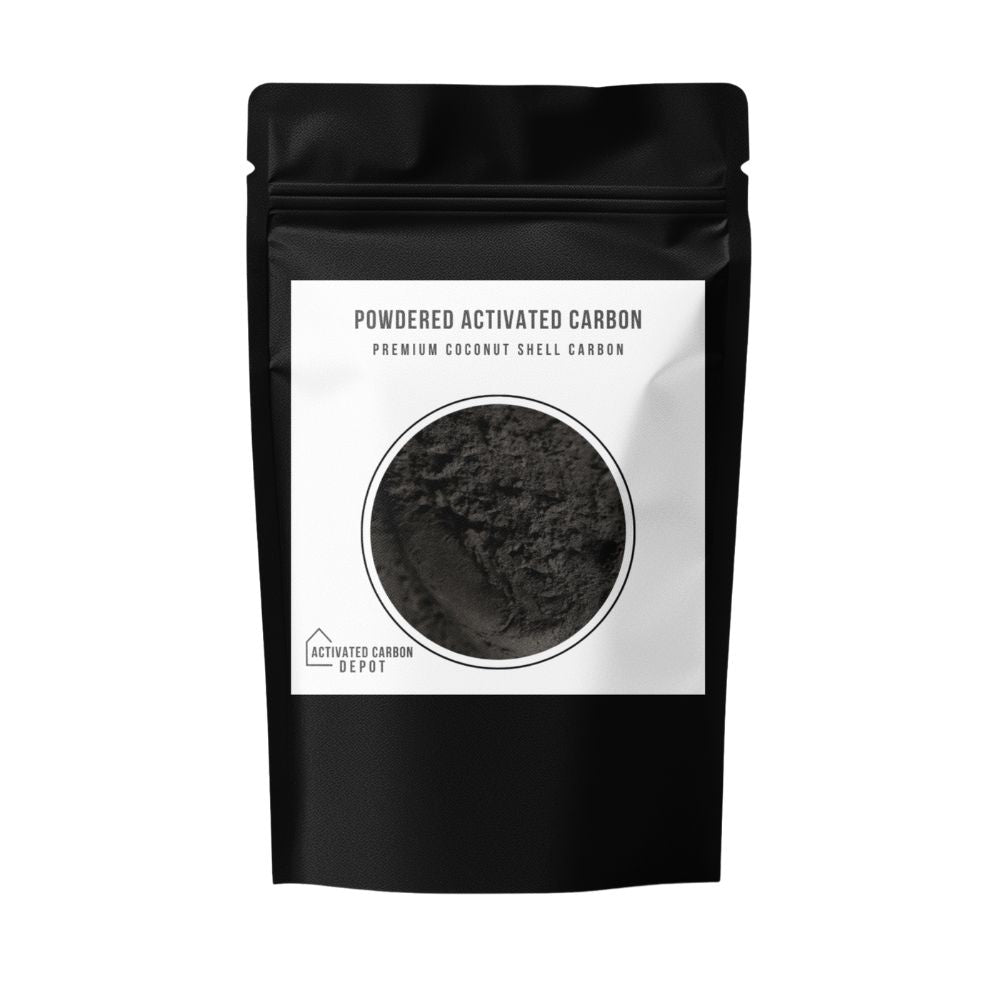
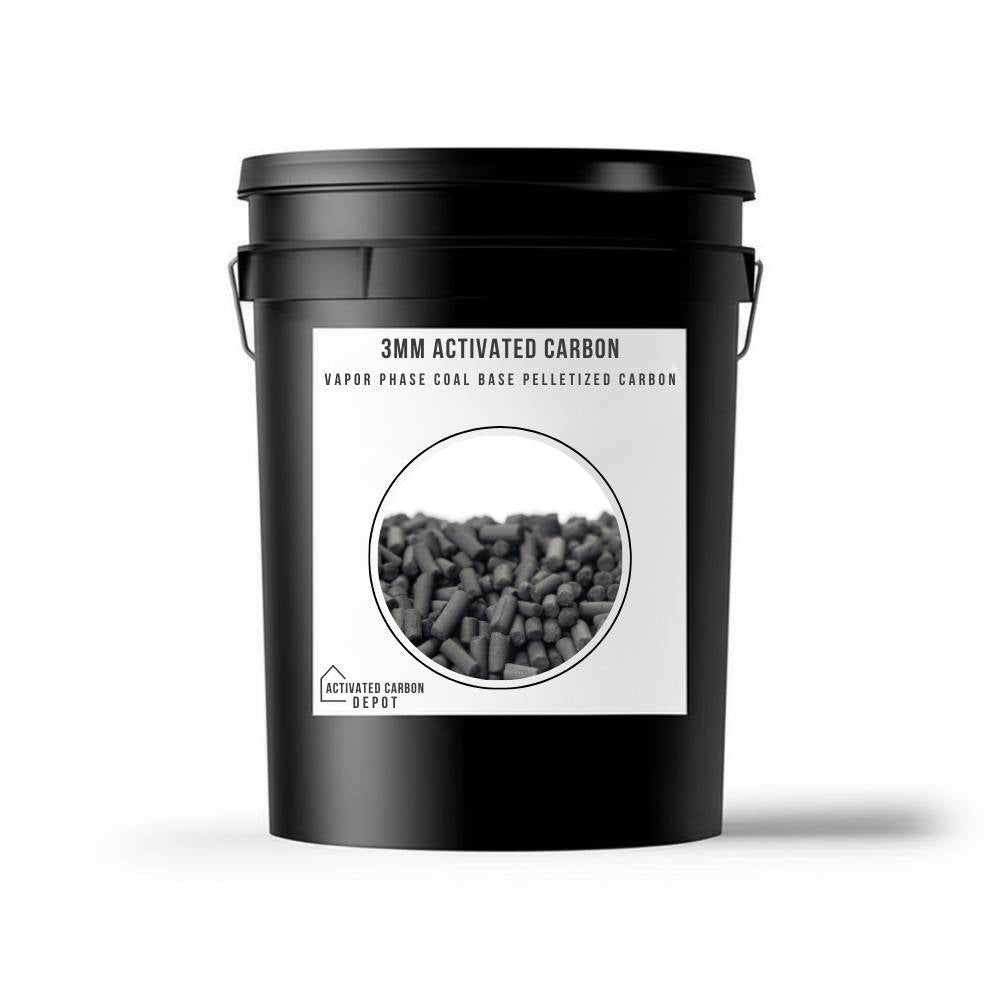
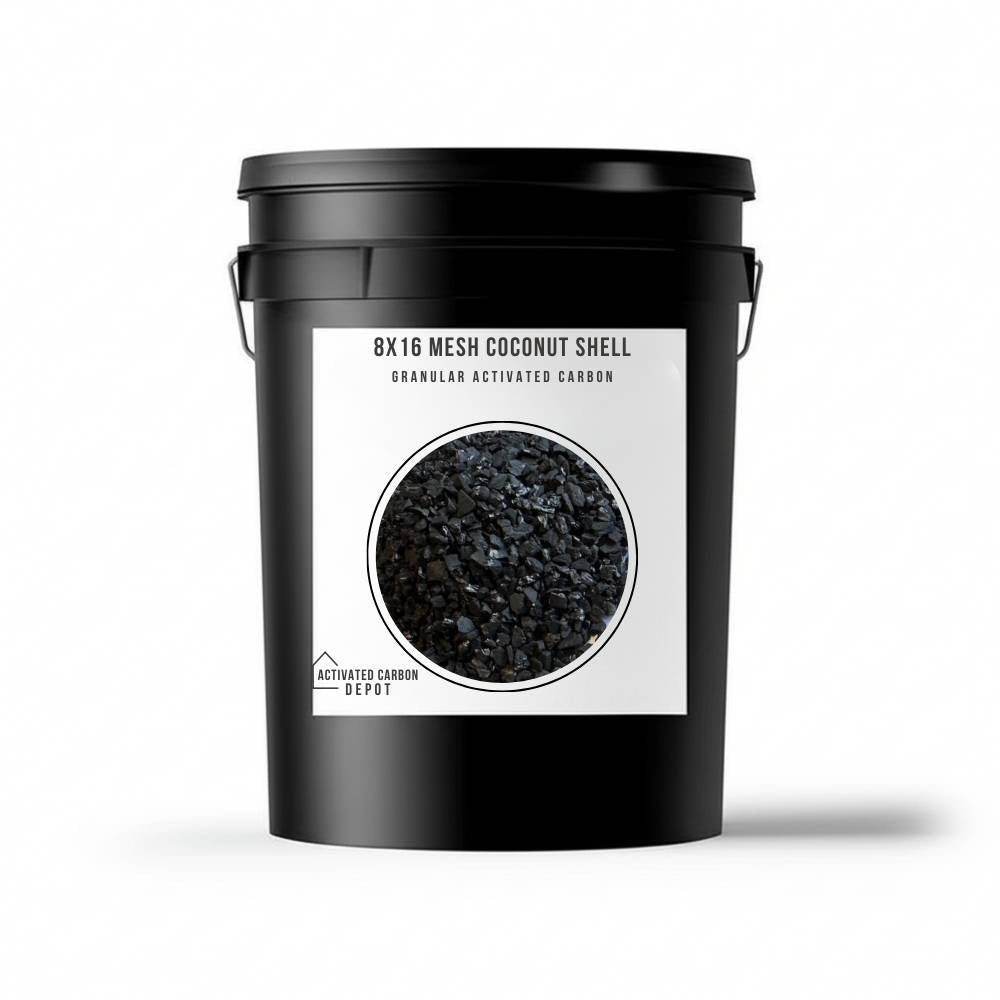
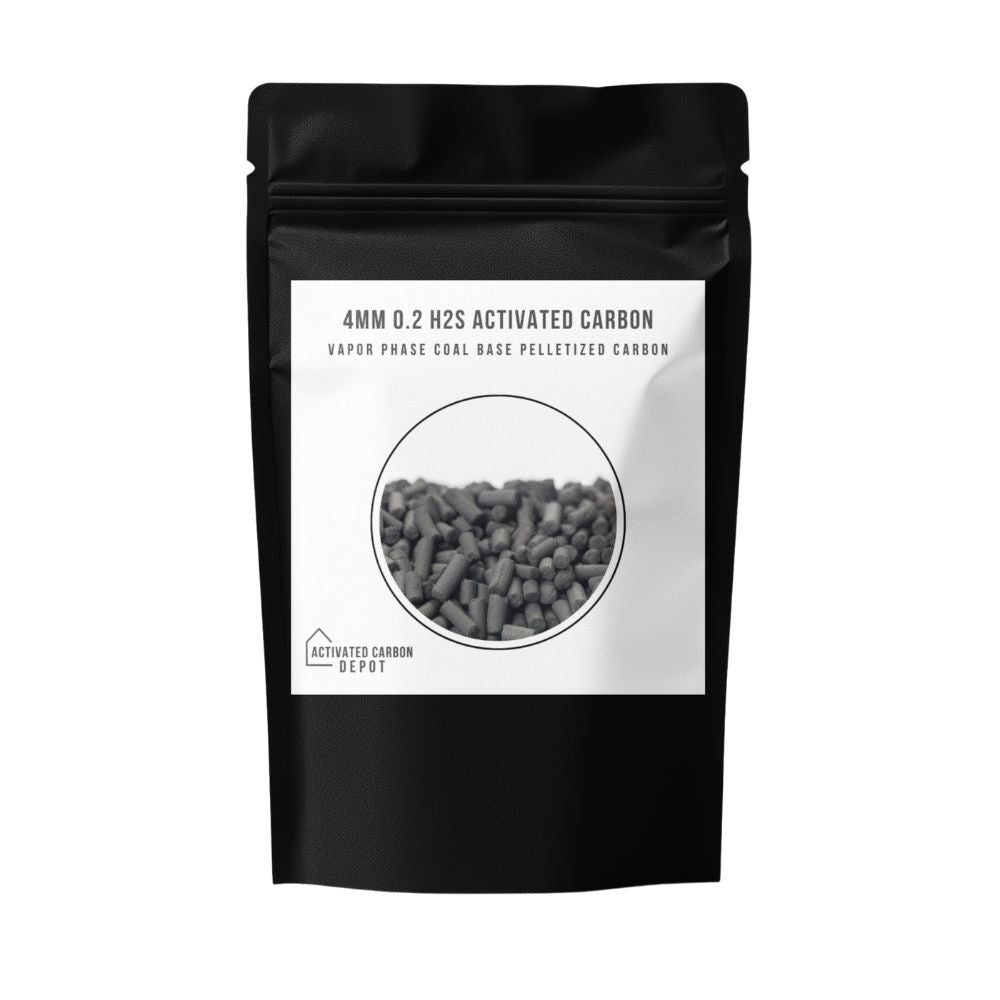
Thermally activated carbon specifically selected for EVAP systems and vapor-phase fuel filtration: