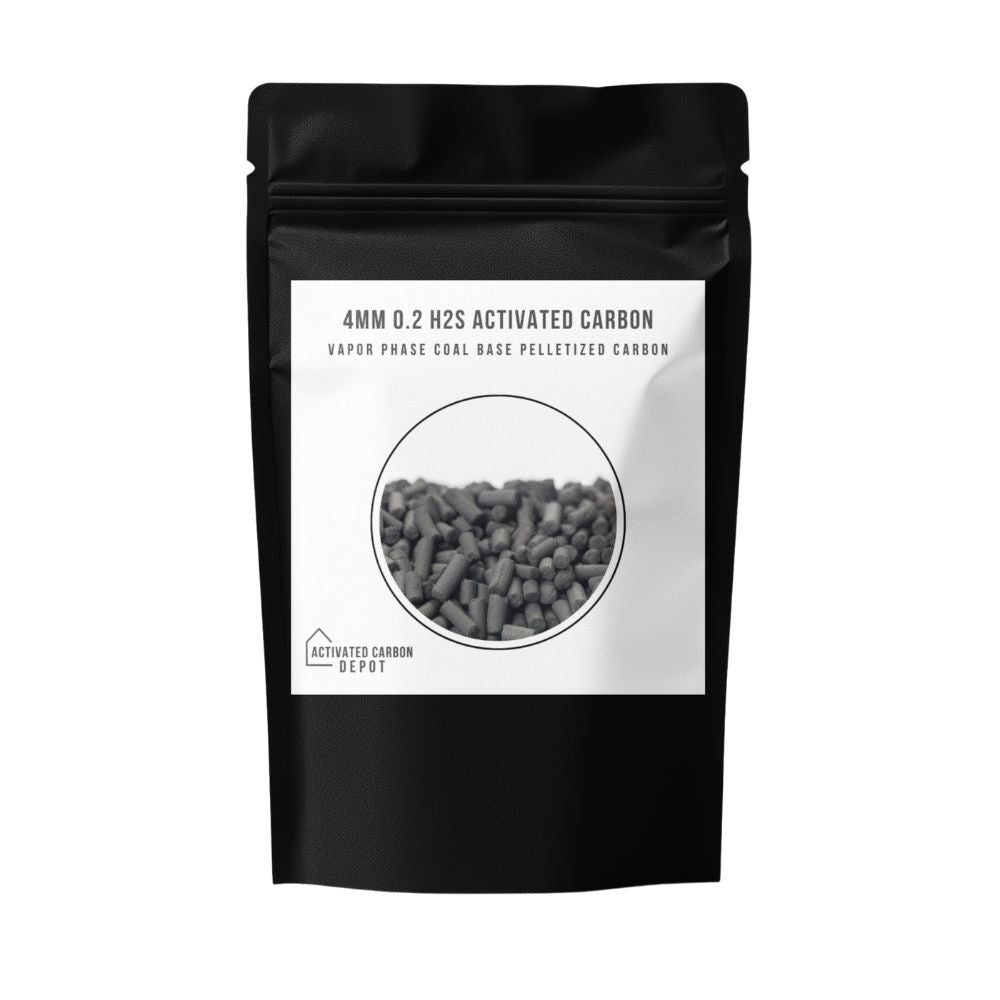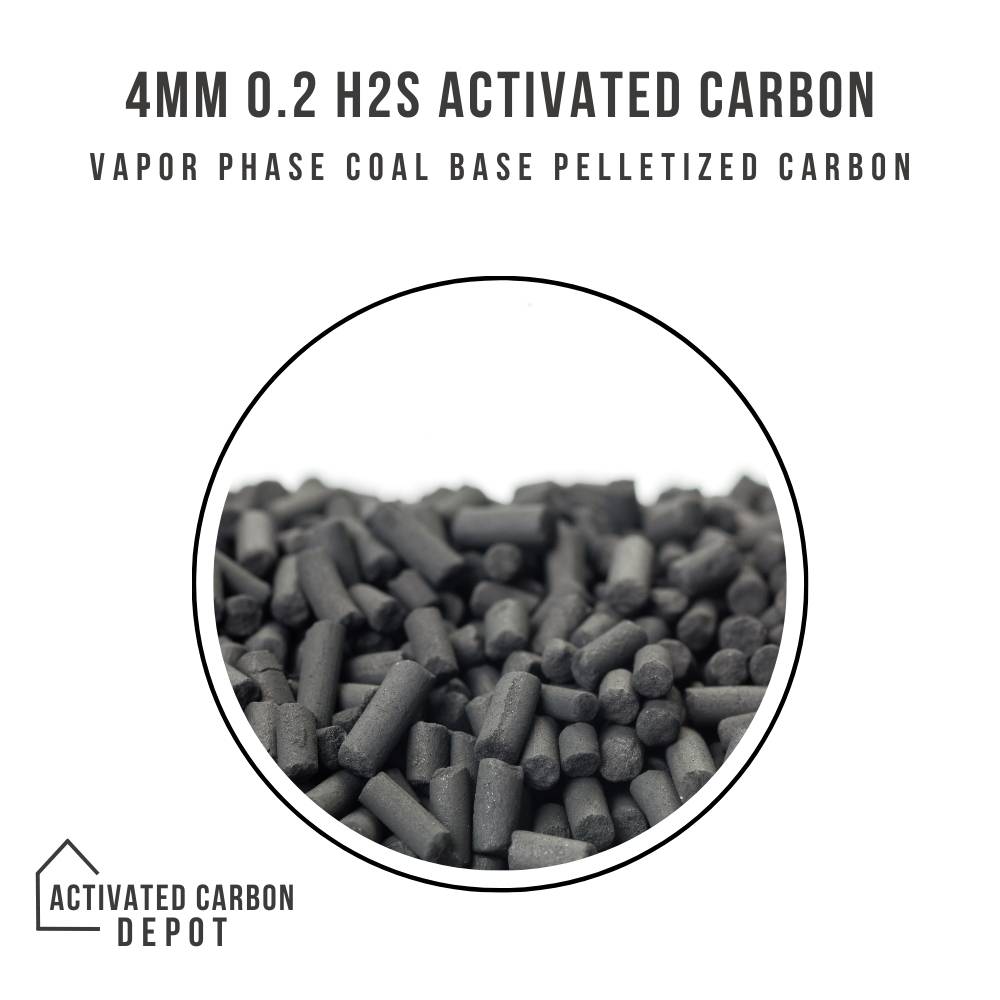
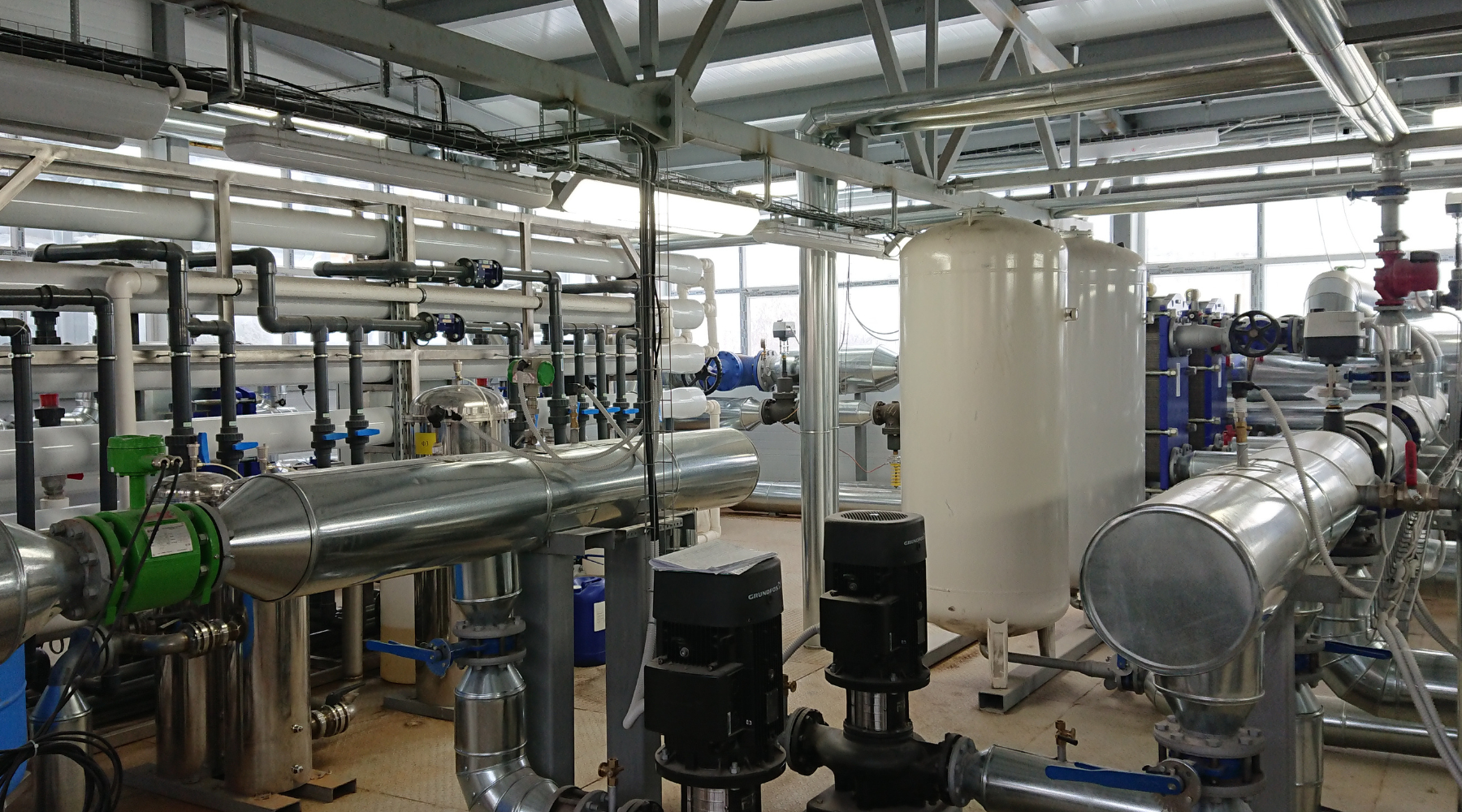
Activated carbon is widely used in air purification, water filtration, industrial processing, and environmental cleanup because of its ability to capture and hold contaminants. Over time, however, the pores within activated carbon become filled with adsorbed compounds such as organic chemicals, odors, solvents, or gases. When this happens, the carbon becomes "spent" and loses much of its adsorption capacity. Instead of discarding the material, many industries rely on a process called reactivation to restore the carbon's effectiveness. One of the most critical factors in this process is temperature.
What Is Activated Carbon Reactivation?
Activated carbon reactivation is the process of restoring the adsorption capacity of used carbon by removing the accumulated contaminants trapped in its pores. This process is commonly performed in specialized thermal reactivation facilities and is widely used in industries such as water treatment plants, chemical manufacturing, food and beverage processing, air purification systems, and industrial solvent recovery. Reactivation significantly reduces the cost of replacing carbon and minimizes environmental waste.
Why Temperature Is Critical in Reactivation
Temperature plays the most important role in the reactivation process because it determines how effectively contaminants are removed and how well the pore structure is restored. Thermal reactivation typically occurs in high-temperature furnaces where spent carbon is heated in a controlled environment. The typical reactivation process involves several temperature stages.
Stage 1: Drying (100–200°C)
The first stage removes moisture and light volatile compounds from the spent carbon. During the drying stage, water is evaporated, light organic compounds begin to release, and carbon particles stabilize before higher heat treatment. Proper drying ensures that the carbon does not fracture or degrade when exposed to higher temperatures later in the process.
Stage 2: Pyrolysis (400–600°C)
In the second stage, the temperature increases significantly. At this point, many of the organic contaminants trapped in the carbon begin to decompose. Organic molecules break down into smaller volatile compounds, tars and oils are partially removed, and some contaminants vaporize and exit the furnace. This stage prepares the carbon for the final activation phase by loosening compounds that block the internal pores.
Stage 3: Activation (800–1000°C)
The final and most critical stage of reactivation occurs at extremely high temperatures, often between 800°C and 1000°C. In this stage, steam or carbon dioxide is introduced into the furnace. This high-temperature environment burns off residual contaminants that remain inside the pore structure and reopens and restores the microscopic pores that give activated carbon its adsorption capability.
The Balance Between Temperature and Carbon Loss
While high temperatures are necessary for reactivation, excessive heat can damage the carbon structure. If temperatures become too high or exposure lasts too long, loss of carbon mass, collapse of pore structures, and reduced adsorption capacity may occur. In most commercial reactivation systems, the goal is to restore 90–95% of the original adsorption capacity while minimizing carbon loss.
Benefits of Thermal Reactivation
Cost Savings: Reactivating carbon is often significantly less expensive than purchasing new activated carbon for large industrial systems.
Environmental Sustainability: Reusing carbon reduces waste sent to landfills and decreases the need for new raw materials.
Consistent Filtration Performance: Reactivated carbon can perform nearly as well as virgin carbon when processed correctly.
Reduced Supply Chain Demand: Industries benefit from maintaining a steady supply through reactivation rather than constant replacement.
Conclusion
Temperature plays a vital role in the reactivation of activated carbon. Carefully controlled heating stages remove contaminants, reopen pore structures, and restore adsorption capacity so that carbon can be reused instead of discarded. When properly reactivated using precise temperature control, activated carbon can deliver reliable performance across multiple cycles of use.
Shop Premium Activated Carbon
High-quality thermally activated carbon for water filtration, air purification, and industrial processing: