Activated carbon is widely used for air purification, odor control, and vapor filtration—but not all activated carbon is processed the same way. One of the most important distinctions, especially in sensitive environments like electronics, 3D printing, and laser filtration, is whether the carbon is acid-free.
At Activated Carbon Depot, we regularly receive questions about acid-free activated carbon and why it matters. In many applications, standard activated carbon works perfectly fine. However, in enclosed systems with electronics, heated components, or precision equipment, acid-washed or chemically treated carbon can create long-term concerns.
What Does "Acid-Free" Mean?
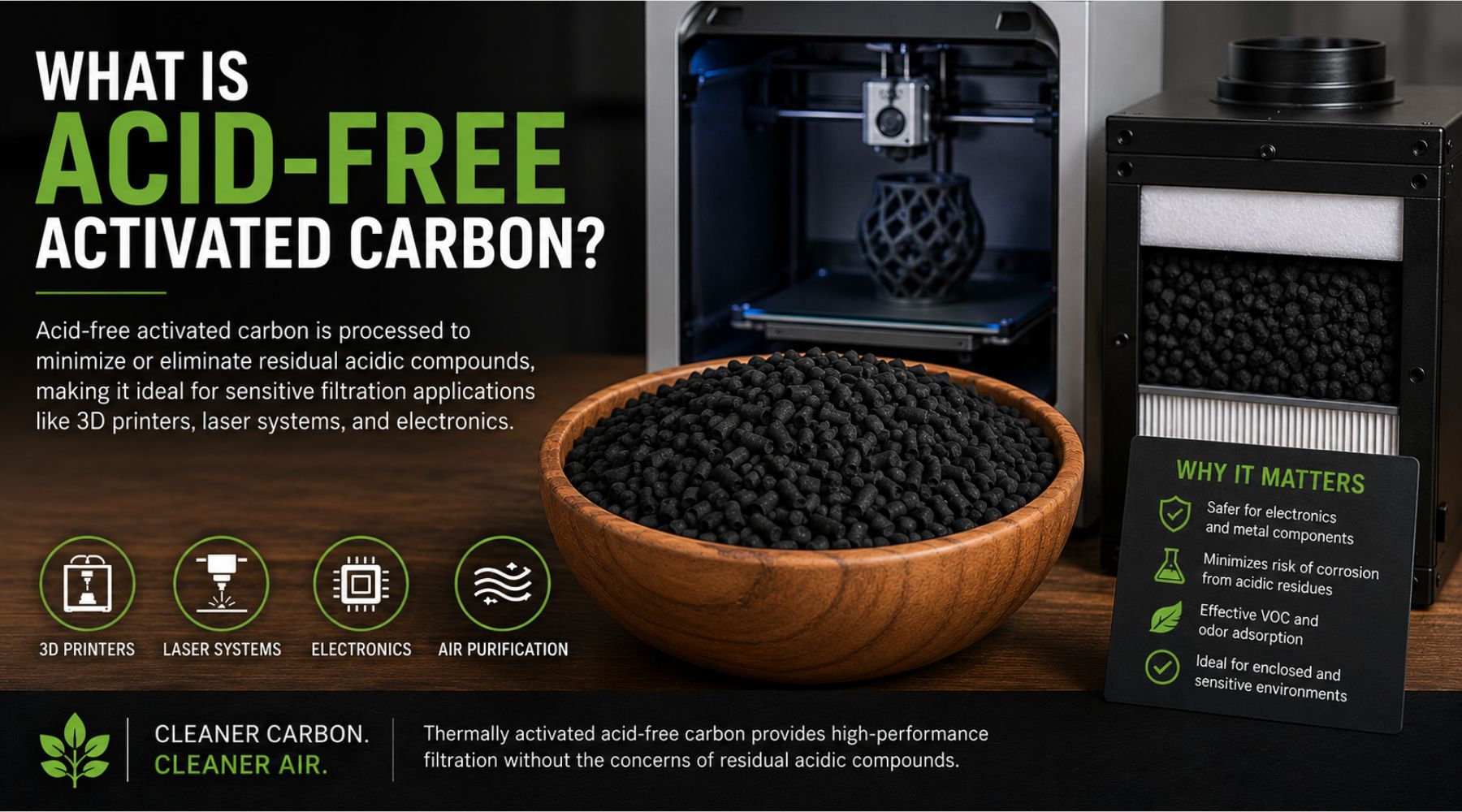
Acid-free activated carbon refers to carbon that has not been chemically acid-washed during processing, or that has been processed in a way that minimizes residual acidic compounds. Some activated carbon manufacturing methods use acid treatments to clean the carbon, modify pore structure, or remove impurities. While this can improve certain characteristics for industrial applications, residual acidic compounds may remain if the carbon is not properly neutralized.
In sensitive environments, those residual compounds can potentially contribute to corrosion concerns, metal degradation over time, and exposure of sensitive electronics to acidic vapors.
Why Acid-Free Carbon Matters for 3D Printers and Electronics
One of the biggest markets for acid-free activated carbon today is 3D printing and laser filtration. Modern enclosed printers often contain circuit boards, sensors, fans, heated electronics, and metal components exposed to continuous airflow. When filtration media is constantly circulating air through these systems, users want a carbon that minimizes the risk of introducing unwanted chemical residues.
This is especially common in Bambu Lab printer setups, Nevermore filters, Bento Box systems, DIY enclosed filtration systems, and laser engravers and cutters.
How Acid-Free Activated Carbon Still Removes VOCs and Odors
A common misconception is that acid-free carbon is somehow "weaker" or less effective. In reality, properly thermally activated acid-free carbon still provides excellent adsorption performance. At Activated Carbon Depot, we focus heavily on thermally activated carbon, which develops pores through high-temperature processing rather than relying on chemical treatment.
This allows acid-free carbon to effectively capture VOCs from 3D printing, resin fumes, laser smoke odors, organic vapor compounds, and general airborne odors—without introducing concerns associated with residual acidic processing compounds.
Applications Where Acid-Free Carbon Is Preferred
- 3D Printer Filtration: Users running enclosed printers often prefer acid-free carbon for peace of mind around electronics and airflow systems.
- Laser Engravers: Laser systems generate smoke and chemical vapors while containing sensitive components that benefit from cleaner filtration media.
- Electronics Enclosures: Air filtration around sensitive electronics can benefit from low-residue carbon.
- Specialty Air Purification Systems: Some users simply prefer cleaner-processing methods when filtering indoor air.
Acid-Free Carbon vs. Standard Activated Carbon
Standard Activated Carbon: May include acid-washing during production; often perfectly suitable for industrial or general applications; can vary significantly depending on manufacturer quality.
Acid-Free Activated Carbon: Processed to minimize acidic residues; preferred for sensitive equipment and enclosed electronics; commonly selected for modern vapor-phase filtration systems.
Signs You're Using Low-Quality Carbon
Whether acid-free or not, poor-quality carbon often causes weak odor removal, rapid saturation, excess dust buildup, restricted airflow, and inconsistent filtration performance. This is especially noticeable in compact systems like Nevermore filters, Bento Box filters, and recirculating enclosure systems.
How Long Does Acid-Free Carbon Last?
Carbon lifespan depends on airflow, VOC concentration, printing frequency, and type of material being filtered. General estimates: PLA printing 2–3 months, ABS/ASA printing 1–2 months, heavy print farm use requires more frequent replacement. One of the first signs of saturation is odor breakthrough—when smells begin returning despite filtration.
Final Thoughts
Acid-free activated carbon has become increasingly important in applications where electronics, airflow systems, and enclosed environments intersect. Combined with proper thermal activation and high-quality manufacturing, acid-free carbon delivers strong VOC adsorption while helping maintain a cleaner, more reliable filtration setup.
Shop Acid-Free Activated Carbon
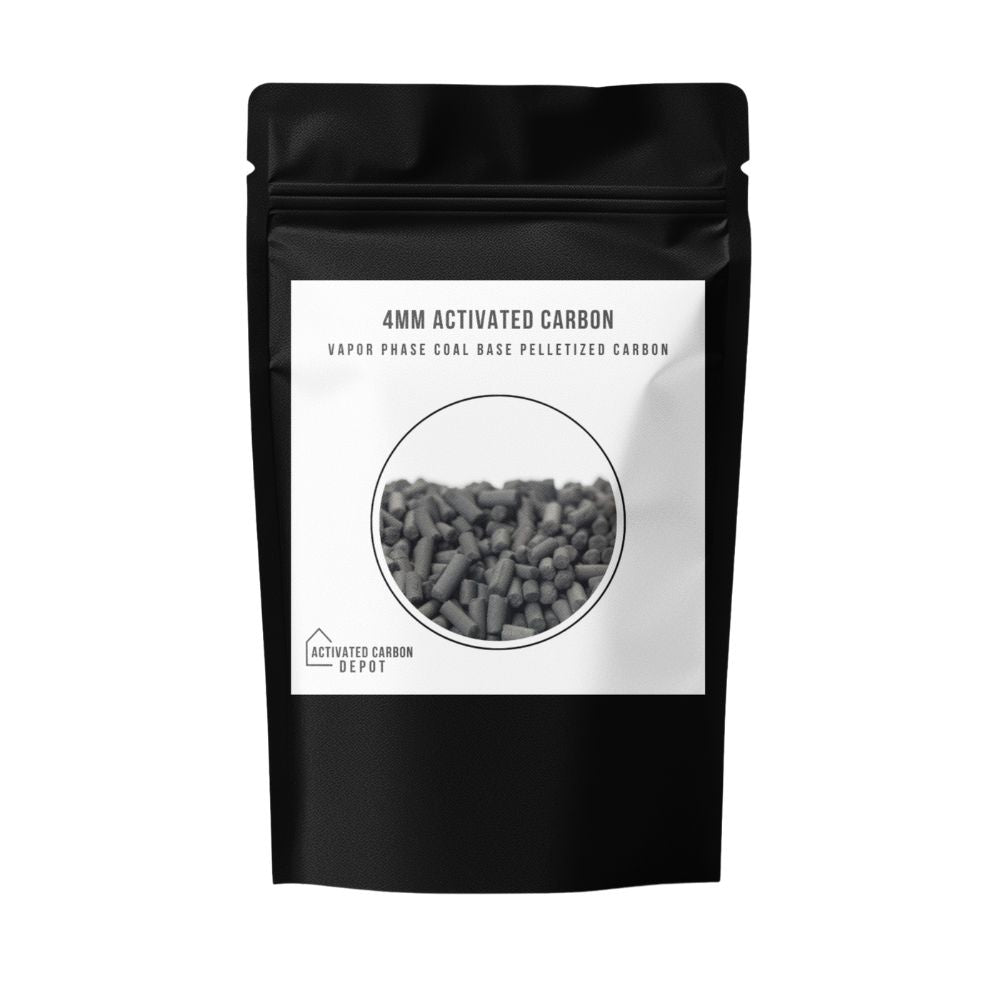
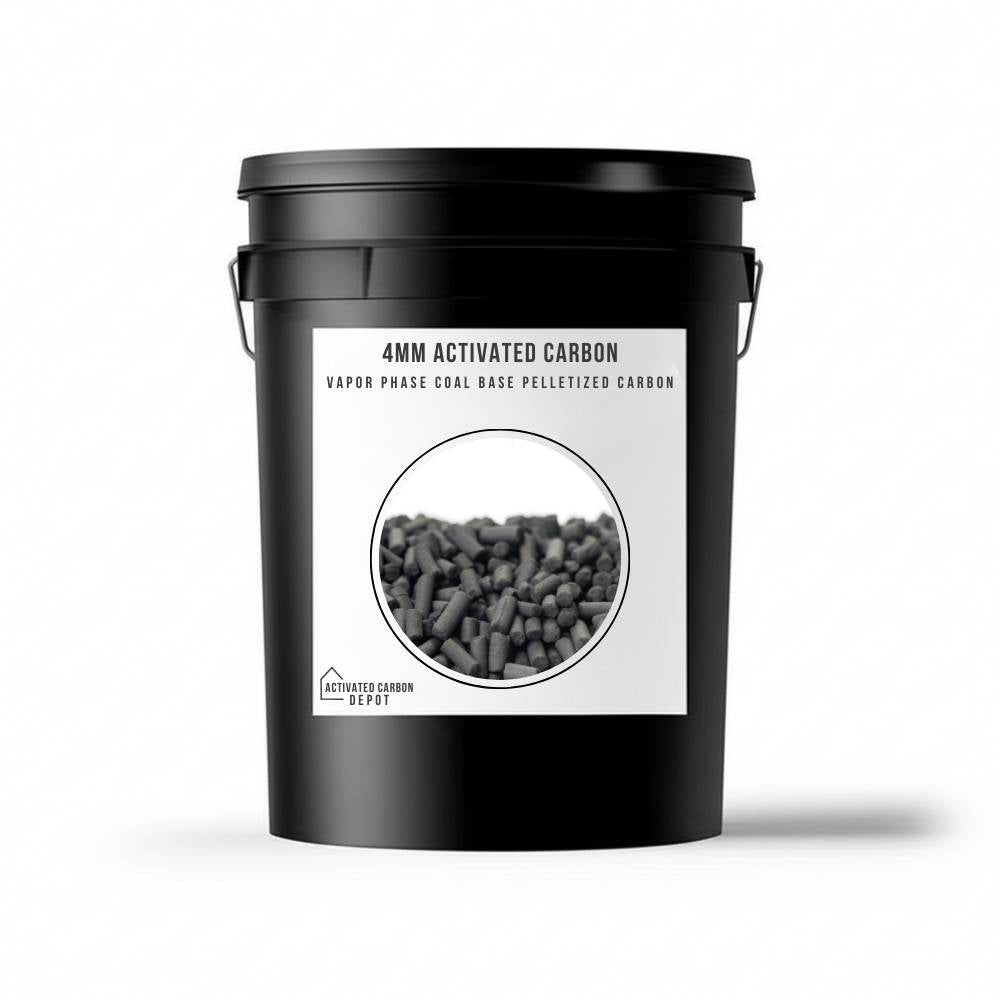
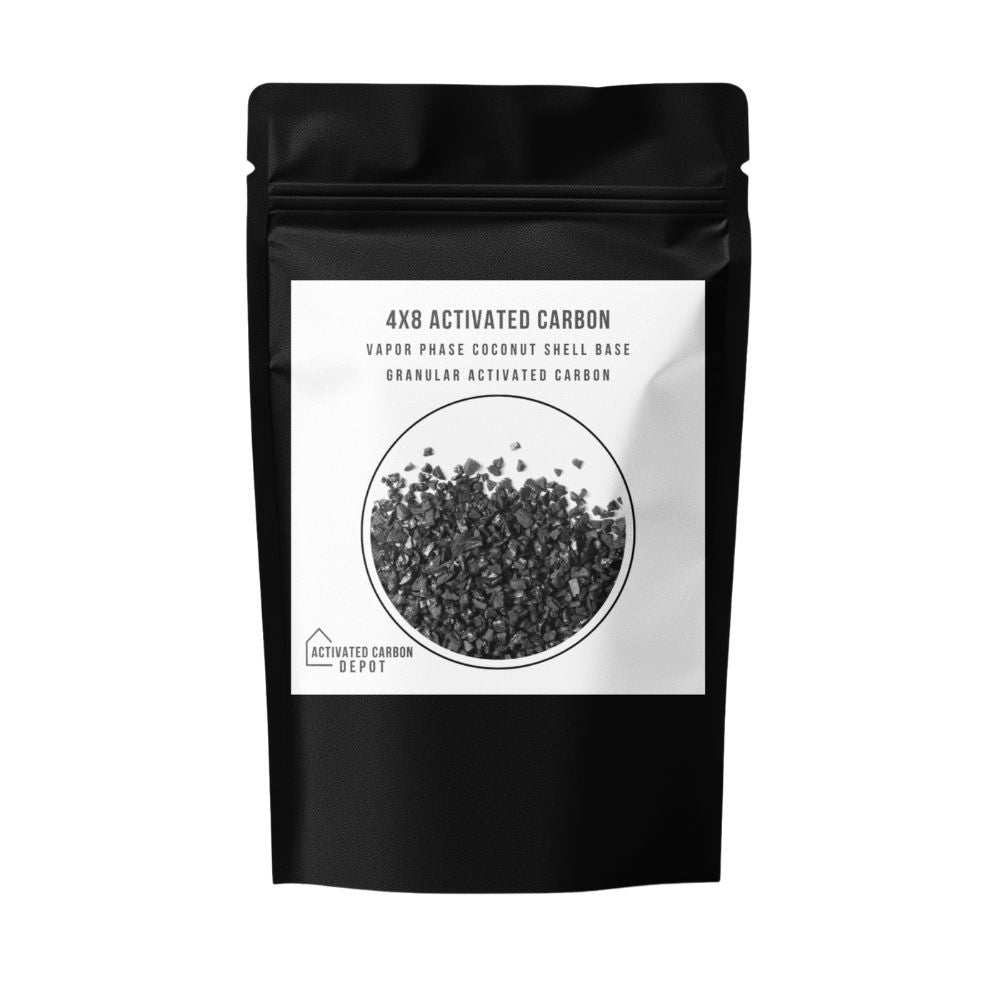
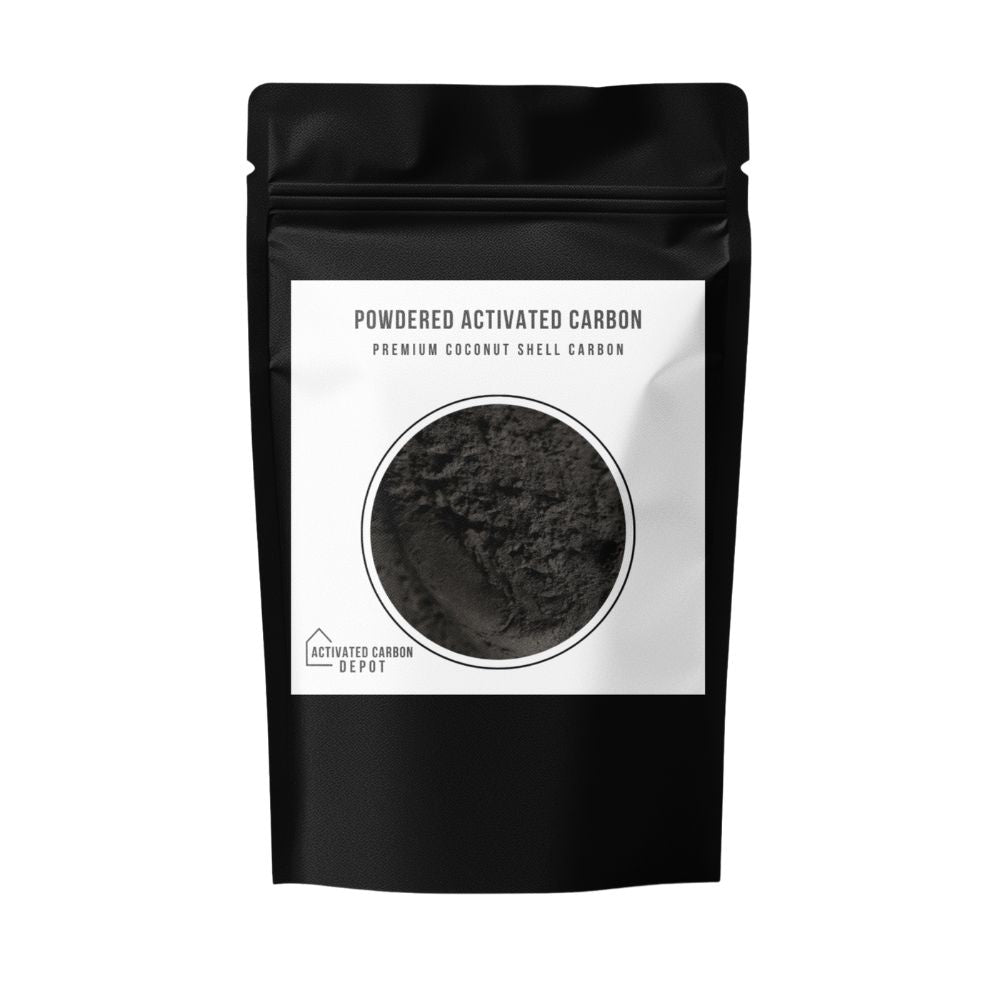
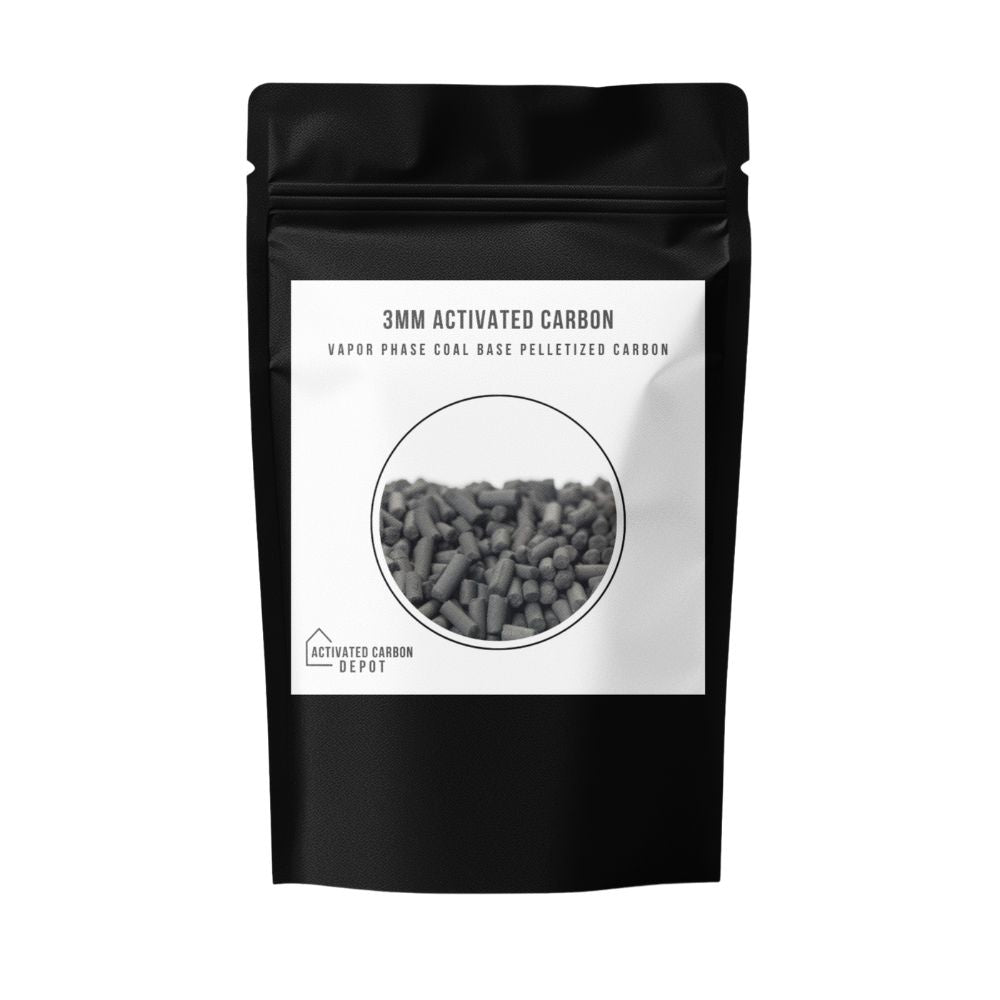
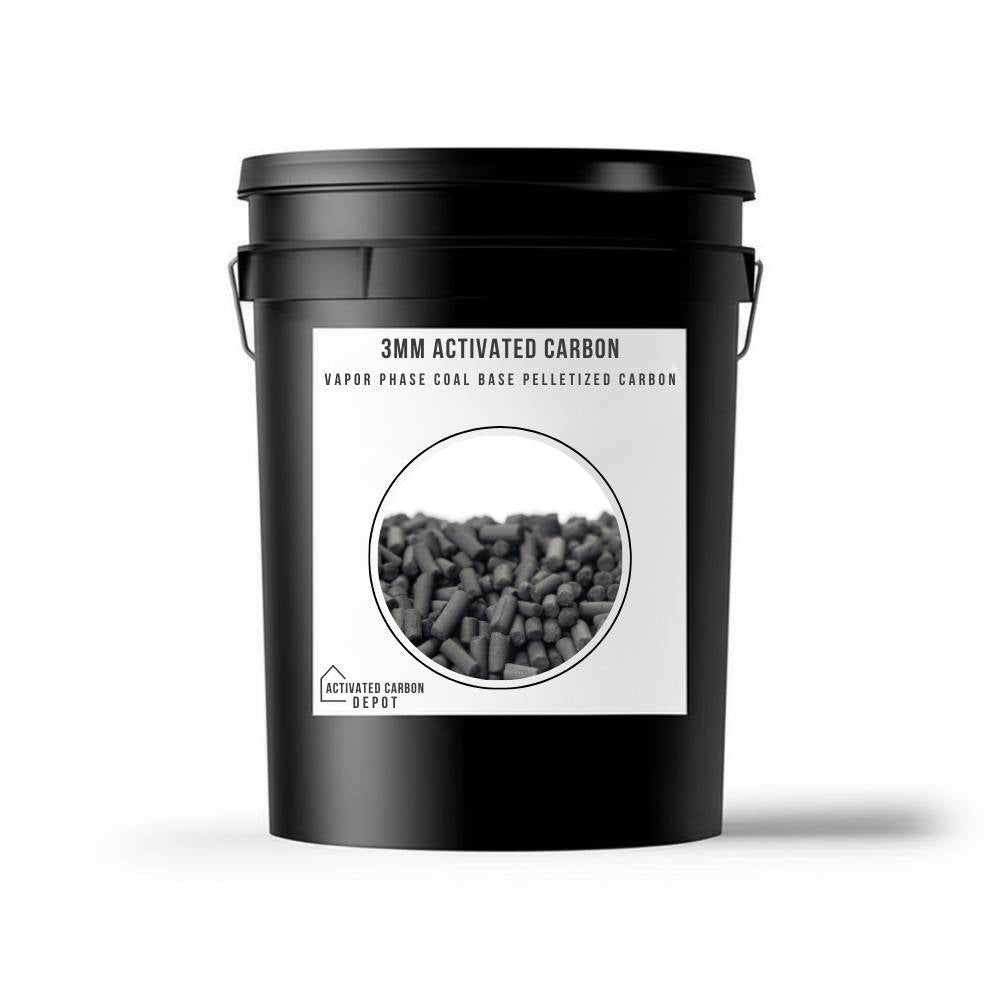
Thermally activated, acid-free carbon for 3D printers, laser engravers, and sensitive electronics filtration: