3D printers and laser engravers have transformed workshops, businesses, and home maker spaces. From rapid prototyping to custom manufacturing, these machines make it possible to create incredible products from the comfort of a garage, office, or dedicated print room.
But there's one issue many users overlook until it becomes impossible to ignore: fumes.
At Activated Carbon Depot, we regularly work with customers trying to improve air quality around their printers and laser systems. One of the biggest concerns we hear about is VOCs—volatile organic compounds released during printing and engraving processes.
The good news is that activated carbon is one of the most effective ways to remove these airborne compounds when the correct filtration media is used.
In this guide, we'll explain:
- What VOCs are
- Why 3D printers and laser engravers produce them
- How activated carbon removes them
- Why carbon quality matters
- How to build a more effective filtration setup

What Are VOCs?
VOCs, or volatile organic compounds, are gases released from certain solids or liquids during heating or chemical processes.
In 3D printing and laser engraving, VOCs are generated when:
- Filament is melted
- Resin is cured
- Materials are burned or vaporized by lasers
Some of the most common VOCs include:
- Styrene
- Formaldehyde
- Benzene
- Toluene
- Acetaldehyde
Different materials release different compounds. For example:
- ABS and ASA tend to produce stronger VOC emissions
- Resin printers generate distinct chemical fumes
- Laser engraving plastics can release very aggressive odors and smoke
From our experience, many users first notice VOCs through:
- Strong plastic smells
- Headaches or irritation
- Lingering odors in enclosed rooms
- “Burnt” or chemical smells during operation
Why Ventilation Alone Isn't Enough
A common misconception is that airflow alone solves the problem.
While ventilation helps move contaminated air, it does not necessarily remove VOCs from the environment. Without proper filtration, fumes are often:
- Recirculated indoors
- Spread throughout a workspace
- Released into adjacent rooms
This is especially common in:
- Enclosed 3D printer setups
- Apartments or office environments
- Print farms
- Garage workshops with limited ventilation
At Activated Carbon Depot, we always explain that moving air and cleaning air are two different things.
That's where activated carbon becomes essential.
How Activated Carbon Removes VOCs
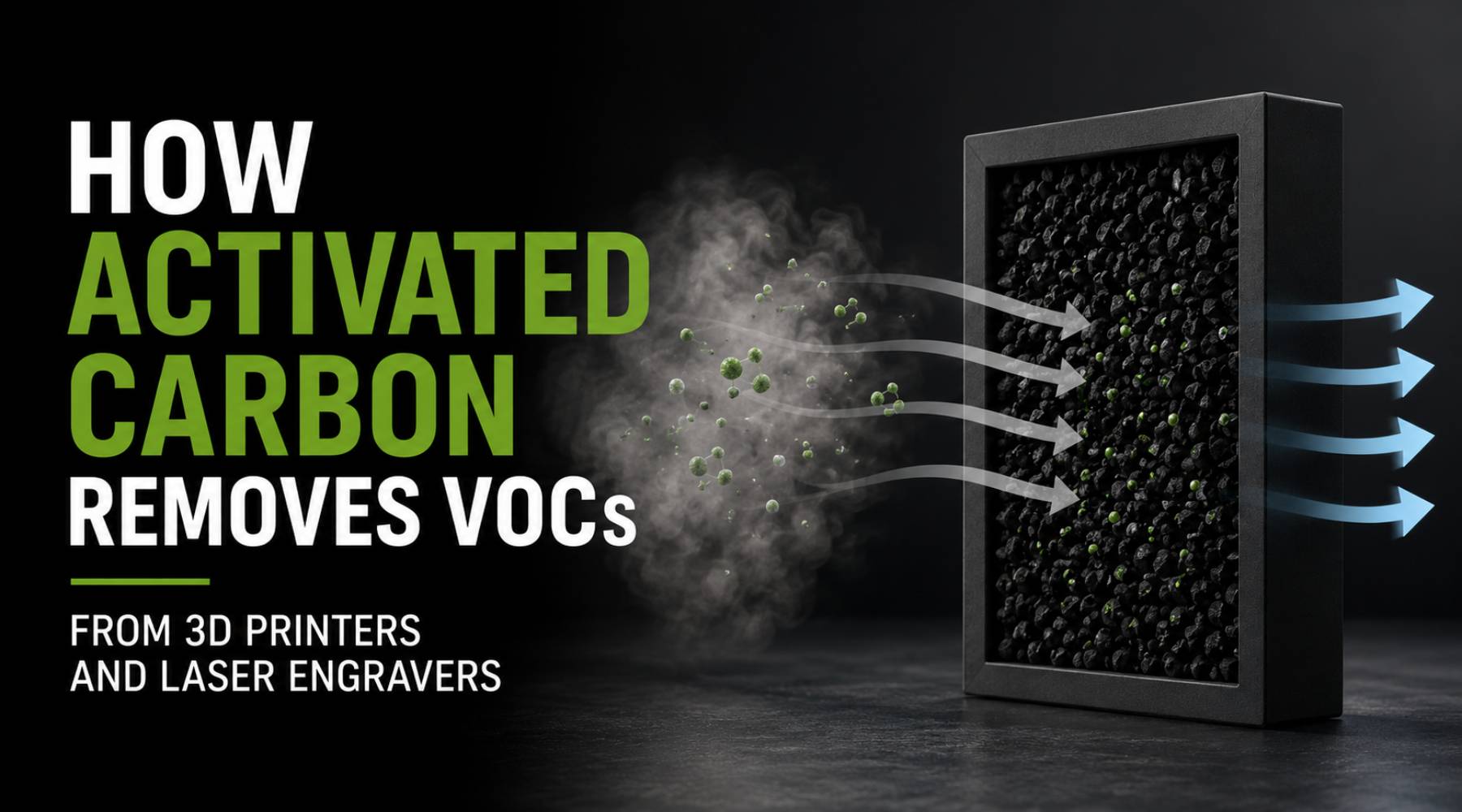
Activated carbon works through a process called adsorption.
Unlike absorption, where substances soak into a material, adsorption traps molecules directly onto the surface of the carbon.
During thermal activation, activated carbon develops millions of microscopic pores. These pores create an enormous surface area capable of capturing VOC molecules as air passes through the filter.
What Activated Carbon Removes:
- Plastic odors
- Resin fumes
- Smoke compounds
- VOC gases
- Chemical odors from laser engraving
This makes activated carbon one of the most effective filtration media for vapor-phase air purification.
Why Thermal Activation Matters
Not all activated carbon performs equally.
At Activated Carbon Depot, we strongly recommend thermally activated carbon for 3D printing and laser applications because it produces:
- Better pore development
- Higher adsorption capacity
- More effective VOC removal
- Longer-lasting filtration performance
Thermal activation creates a highly porous structure optimized for capturing gases and airborne contaminants.
Lower-quality carbon often struggles with:
- Weak odor removal
- Rapid saturation
- Poor airflow
- Inconsistent filtration results
Why Acid-Free Carbon Has Become So Popular
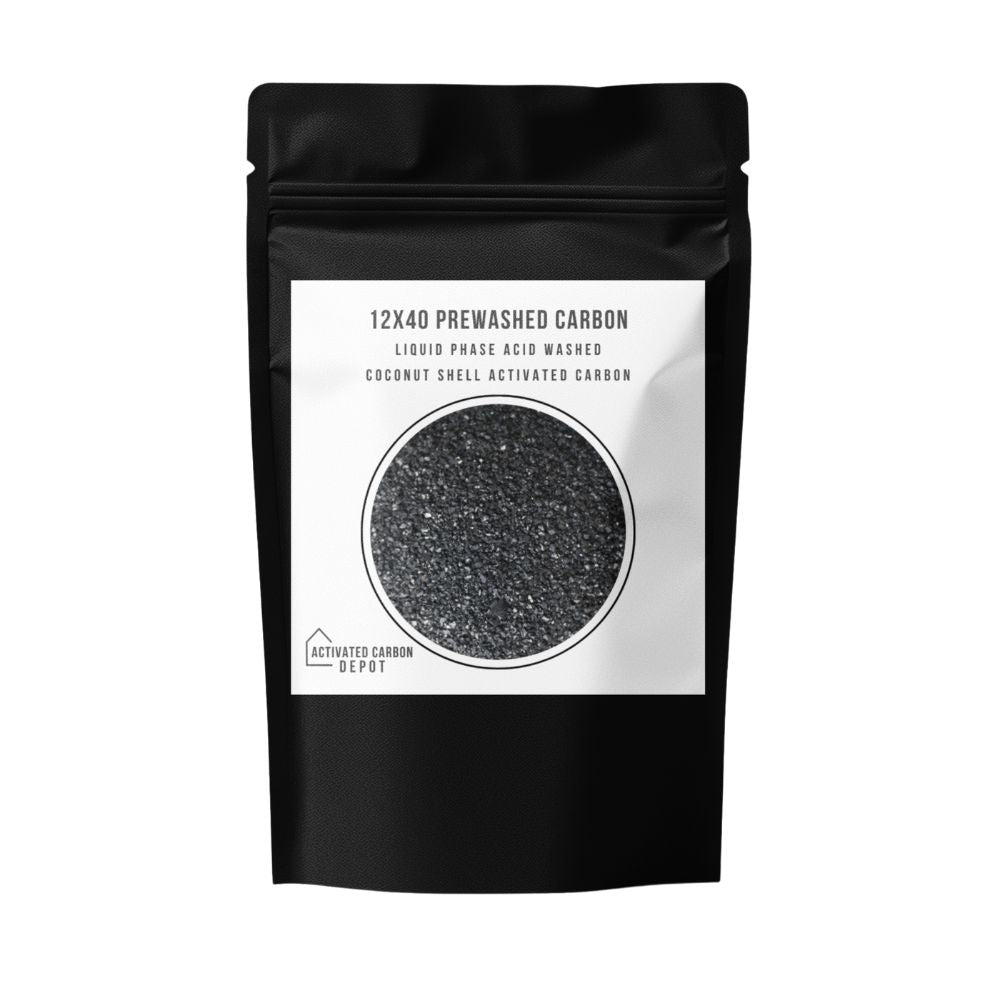
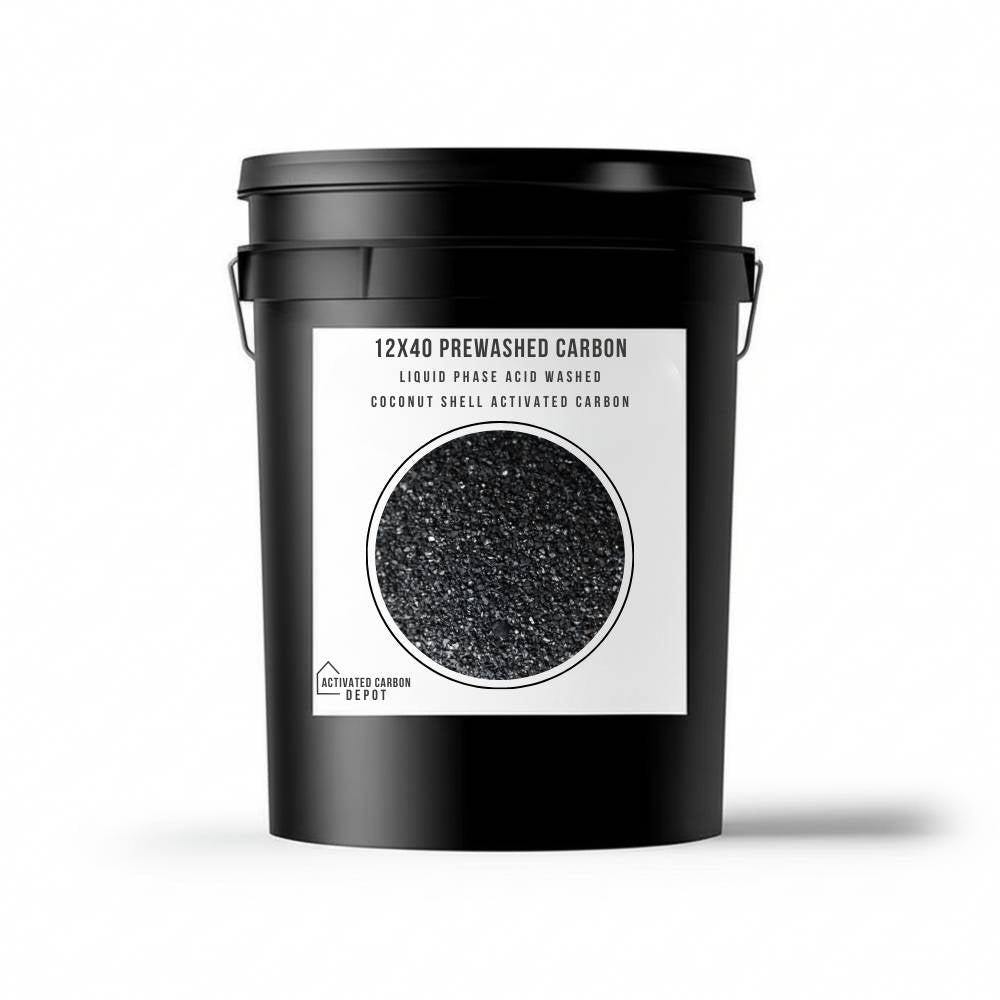
As enclosed printers and advanced filtration systems become more common, many users are now specifically looking for acid-free activated carbon.
This is especially important around:
- Sensitive electronics
- Fans and airflow systems
- Heated components
- Long-duration printing environments
At Activated Carbon Depot, we've seen acid-free carbon become especially popular among:
- Bambu Lab users
- Nevermore filter users
- Bento Box builders
- High-end enclosure setups
Granular vs Pellet Carbon for VOC Filtration
Choosing the right carbon shape also matters.
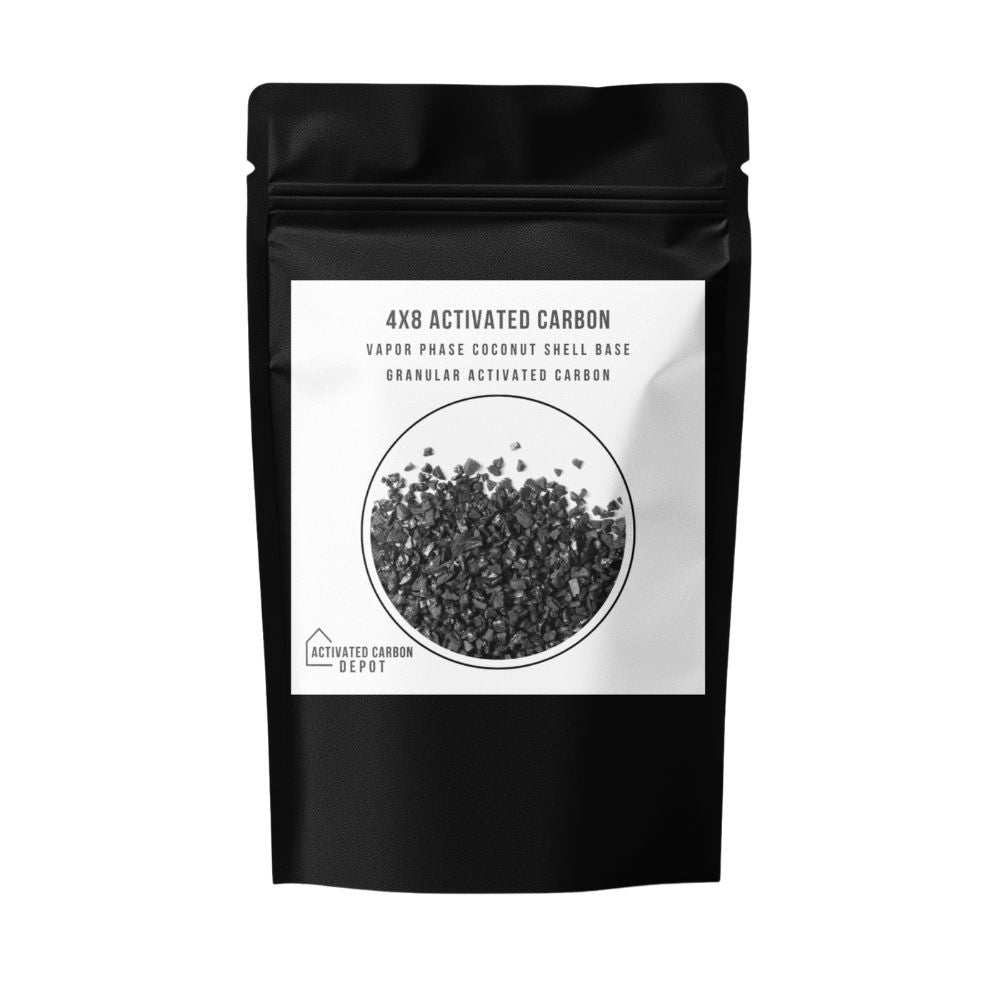
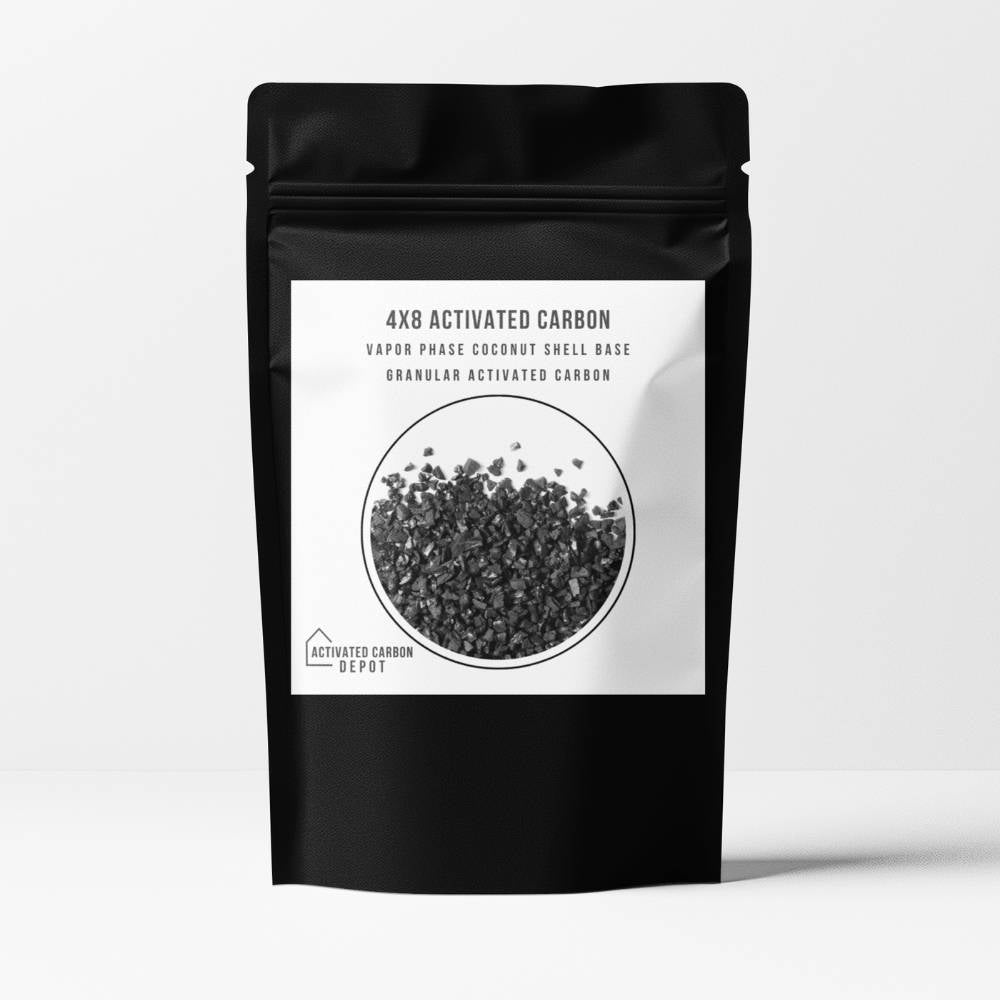
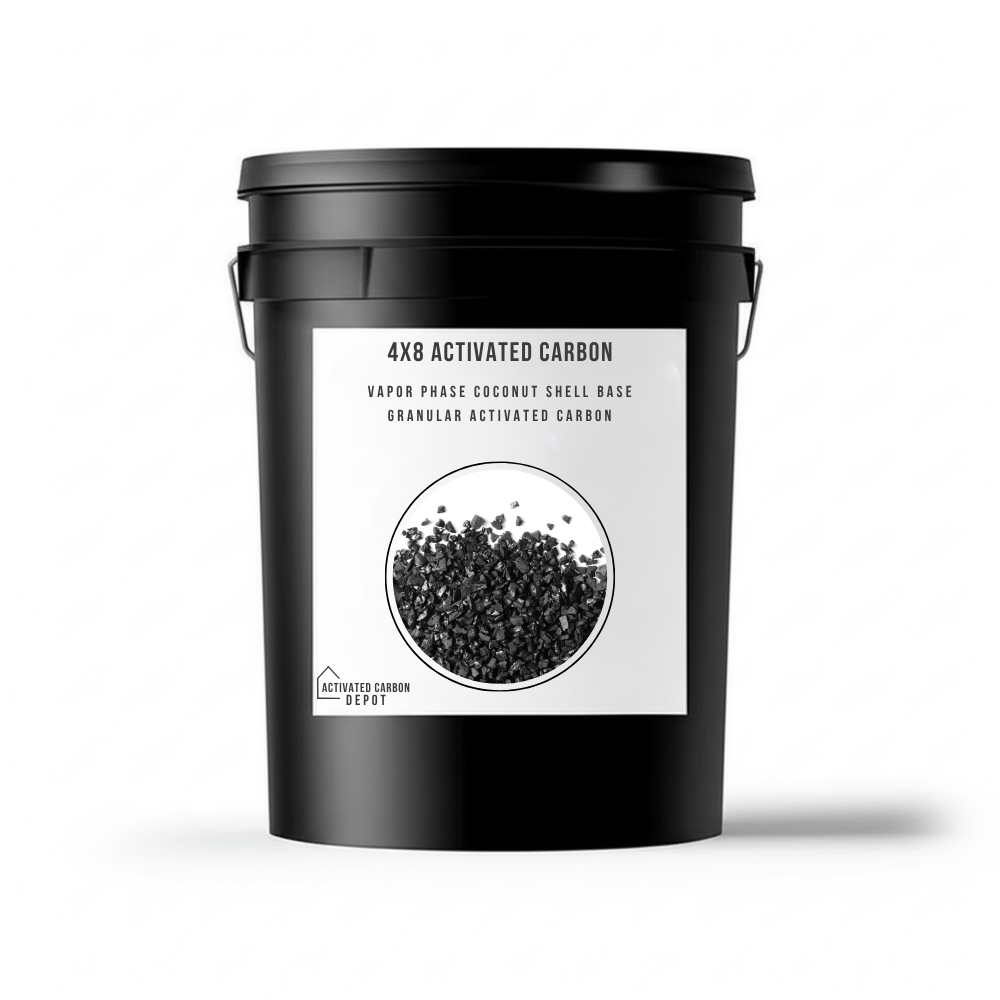
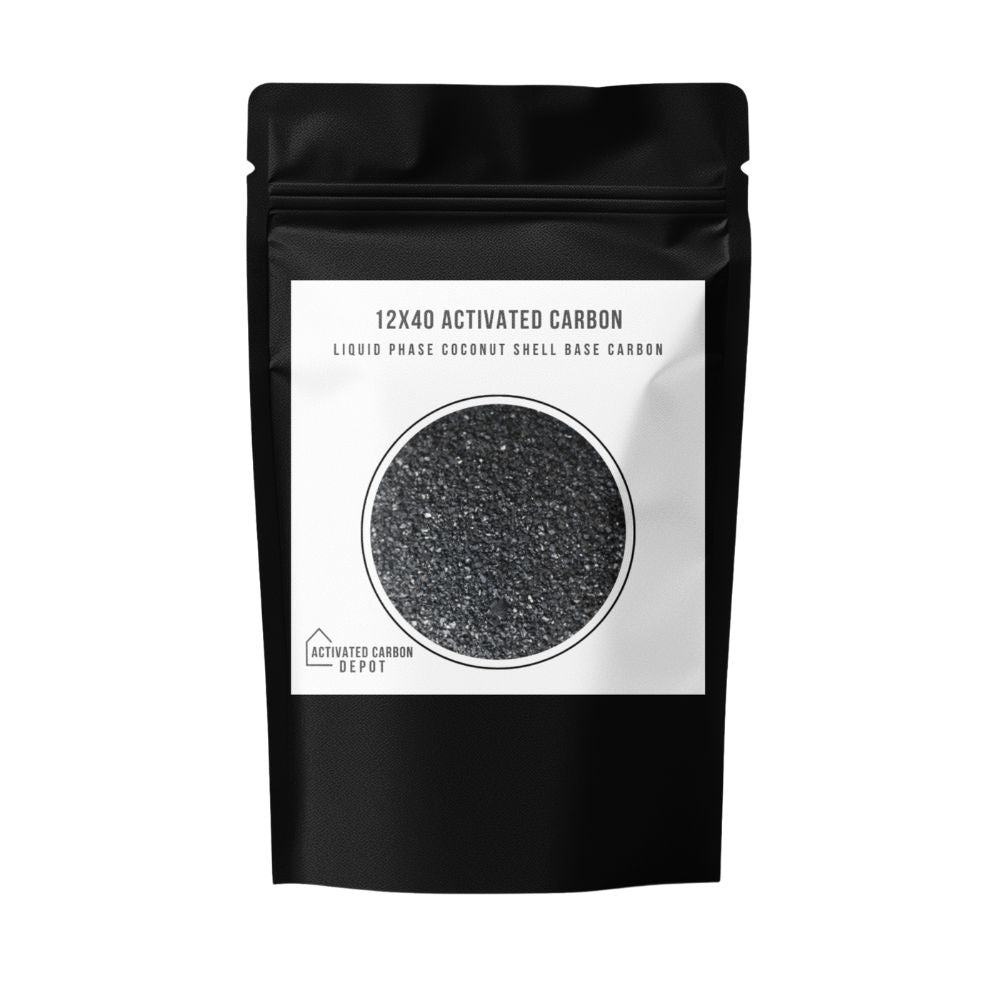
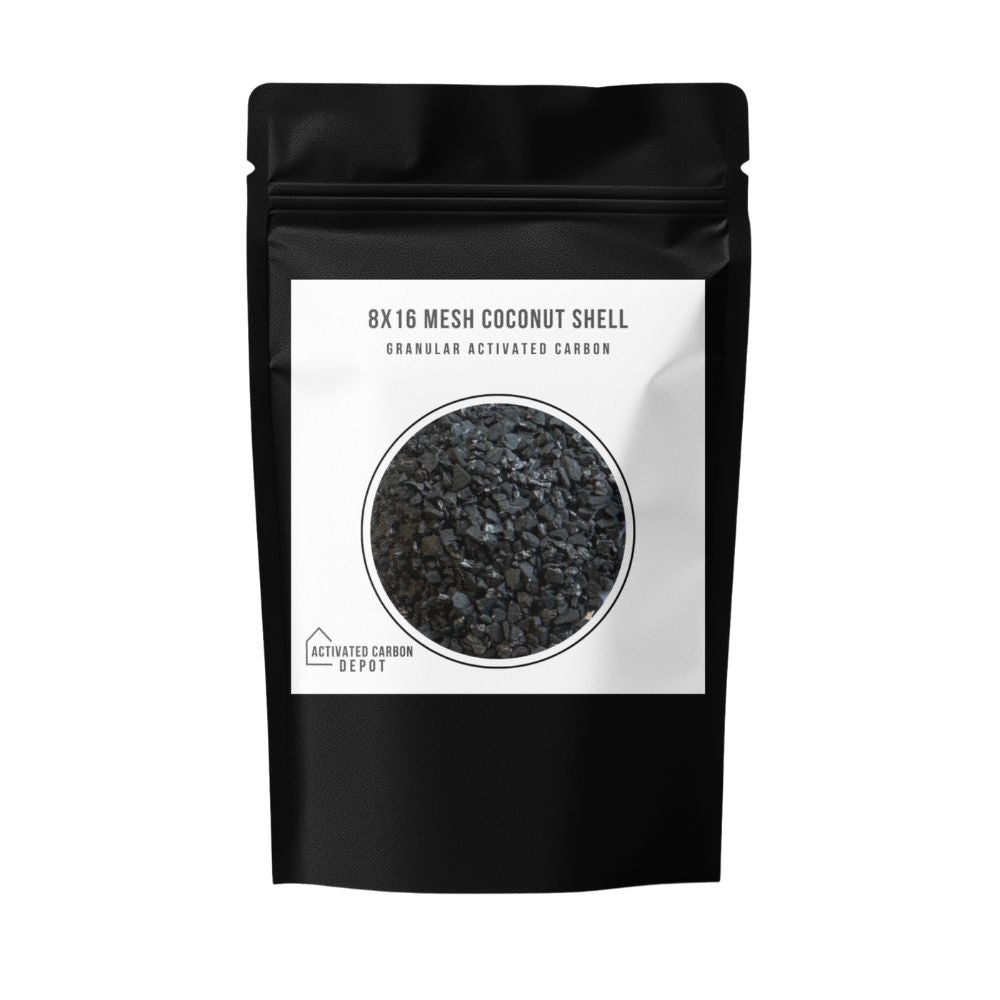
Granular Activated Carbon (GAC)
- Higher exposed surface area
- Excellent adsorption performance
- Common in compact filtration systems
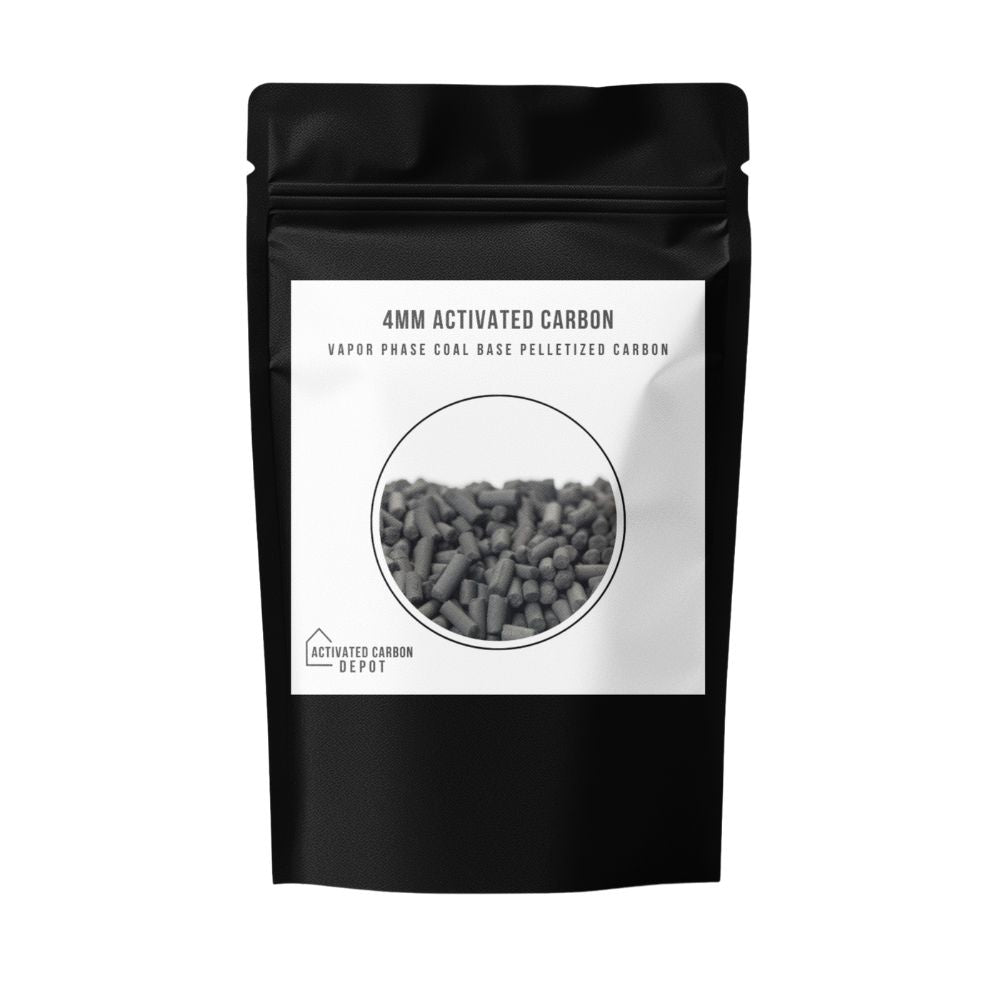
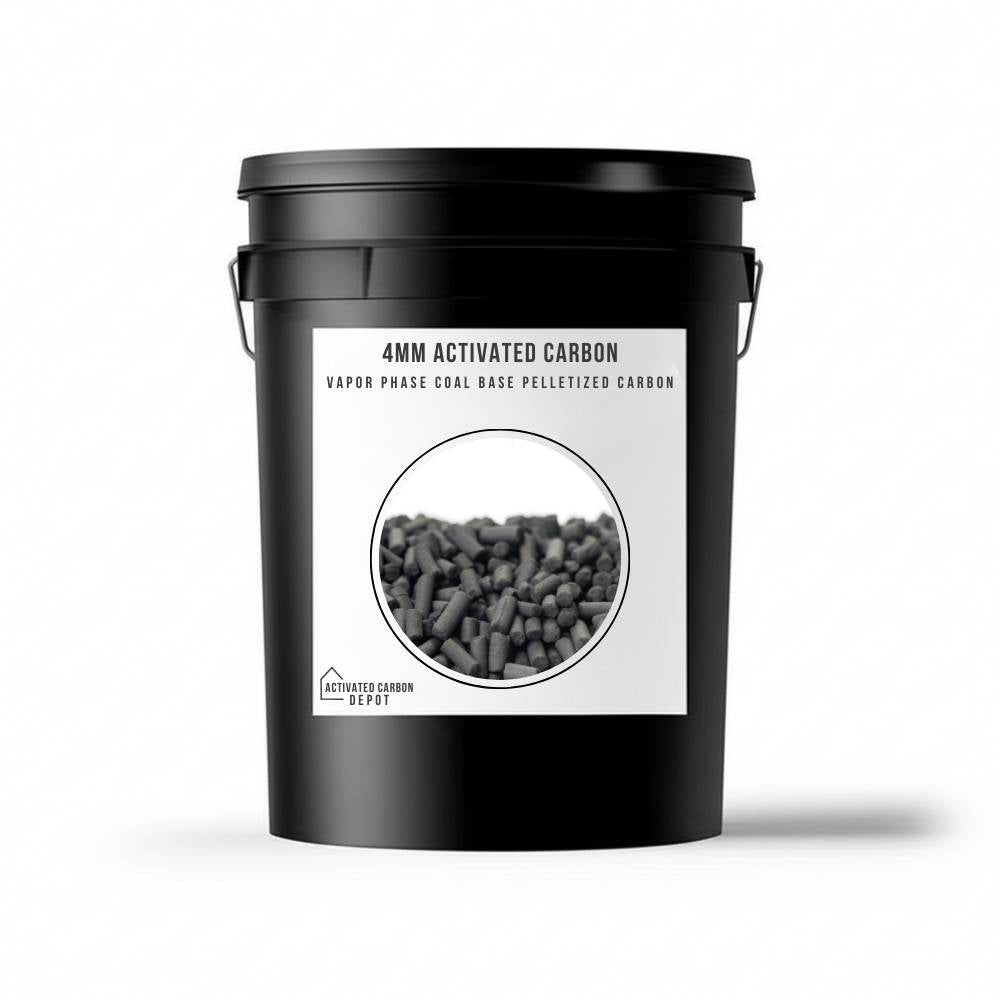
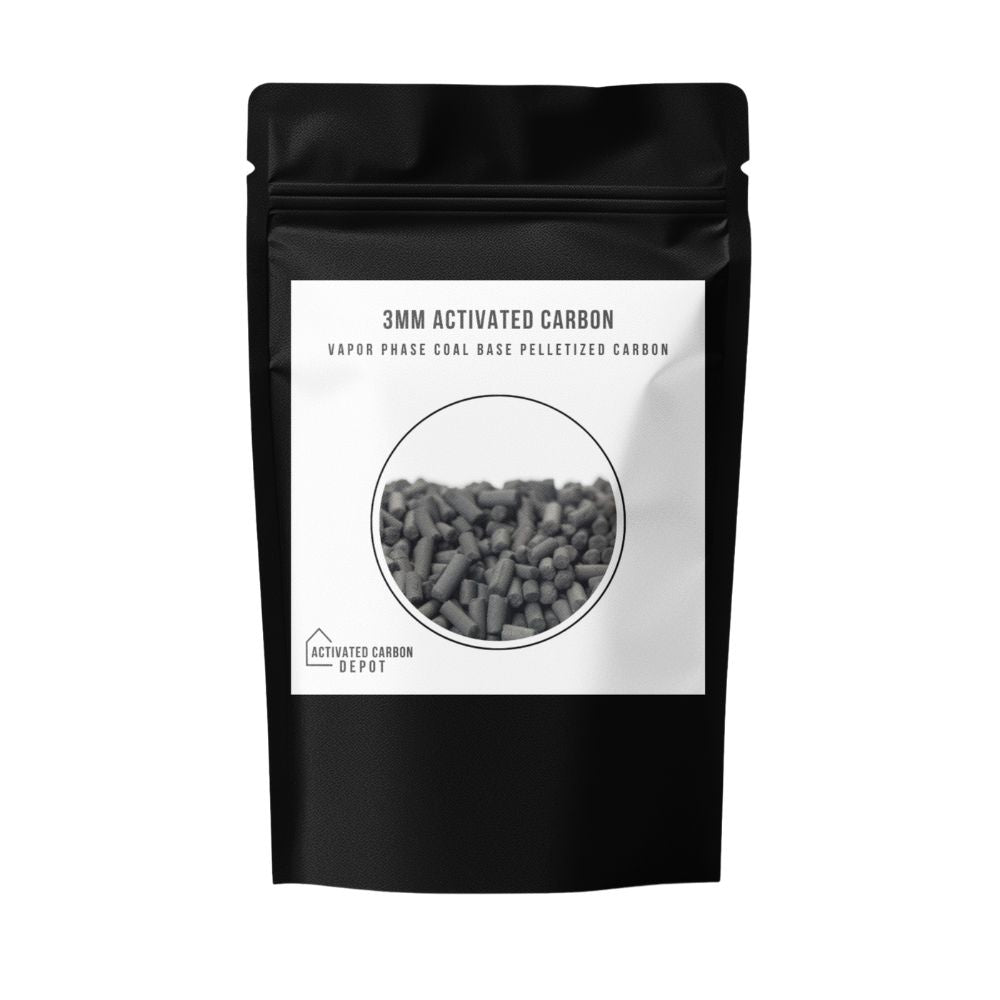
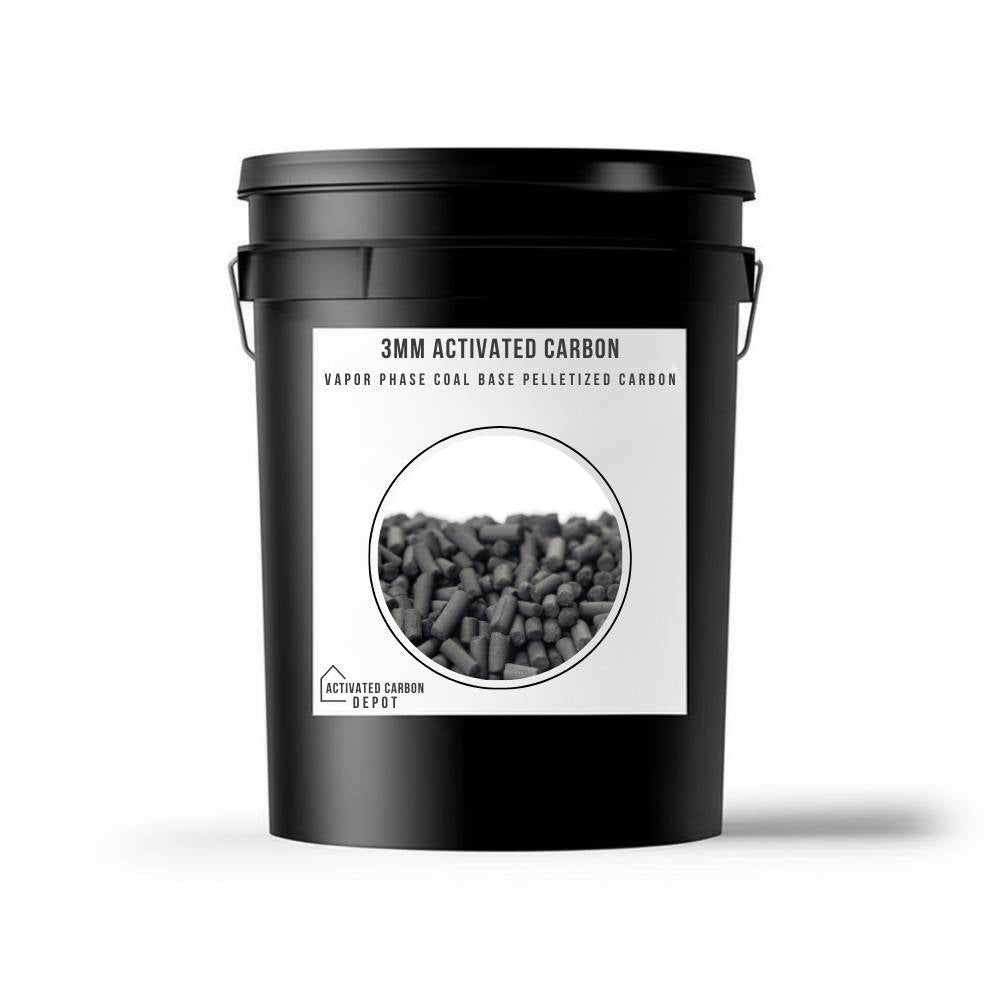
Pelletized Activated Carbon
- Better airflow characteristics
- Lower pressure drop
- Ideal for continuous airflow setups
For many 3D printer and laser filtration systems, combining both styles creates a balance between:
- VOC removal efficiency
- Consistent airflow
- Longer service life
Why Specialized Carbon Blends Perform Better
Standard carbon works well for basic odor control, but many 3D printing environments produce a mix of VOCs that benefit from specialized filtration blends.
Applications That Benefit Most From Carbon Filtration
1. Enclosed FDM Printers
ABS, ASA, Nylon, and PETG users often notice immediate odor reduction.
2. Resin Printing
Resin fumes can be particularly strong indoors and benefit greatly from activated carbon filtration.
3. Laser Engravers
Laser smoke and chemical vapors are ideal candidates for vapor-phase carbon filtration.
4. Print Farms
Multiple printers operating simultaneously can create significant VOC accumulation.
Signs Your Carbon Filter Needs Replacement
- Odors returning during printing
- Reduced air freshness
- Smoke lingering longer than normal
- Increased irritation during operation
Depending on use:
- Hobby users may replace carbon every 2–3 months
- Heavy users may require more frequent replacement
Building an Effective Filtration Setup
A strong filtration system combines:
- Proper airflow
- HEPA filtration for particles
- High-quality activated carbon for VOCs
Final Thoughts
As 3D printing and laser engraving continue to grow, indoor air quality is becoming more important than ever.
VOCs and fumes are a real part of these processes—but with the right filtration setup, they can be effectively controlled.
Activated carbon remains one of the most powerful tools for removing VOCs, odors, and vapor contaminants at the source. When paired with proper airflow and quality media, it dramatically improves air quality and overall workspace comfort.
From our experience, upgrading your carbon filtration is one of the smartest long-term improvements you can make to any enclosed printing or laser setup.
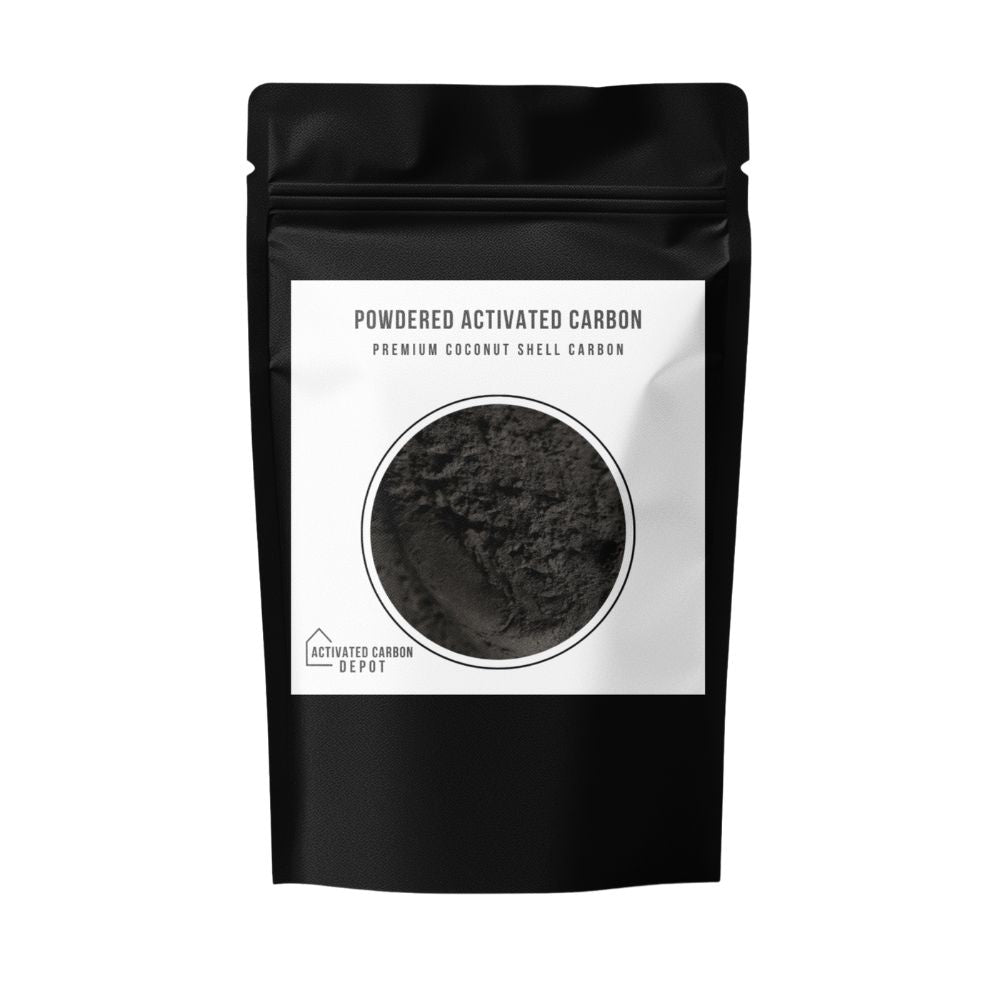
Shop Activated Carbon for 3D Printers & Laser Engravers
Remove VOCs and fumes at the source with our thermally activated, acid-free carbon media: