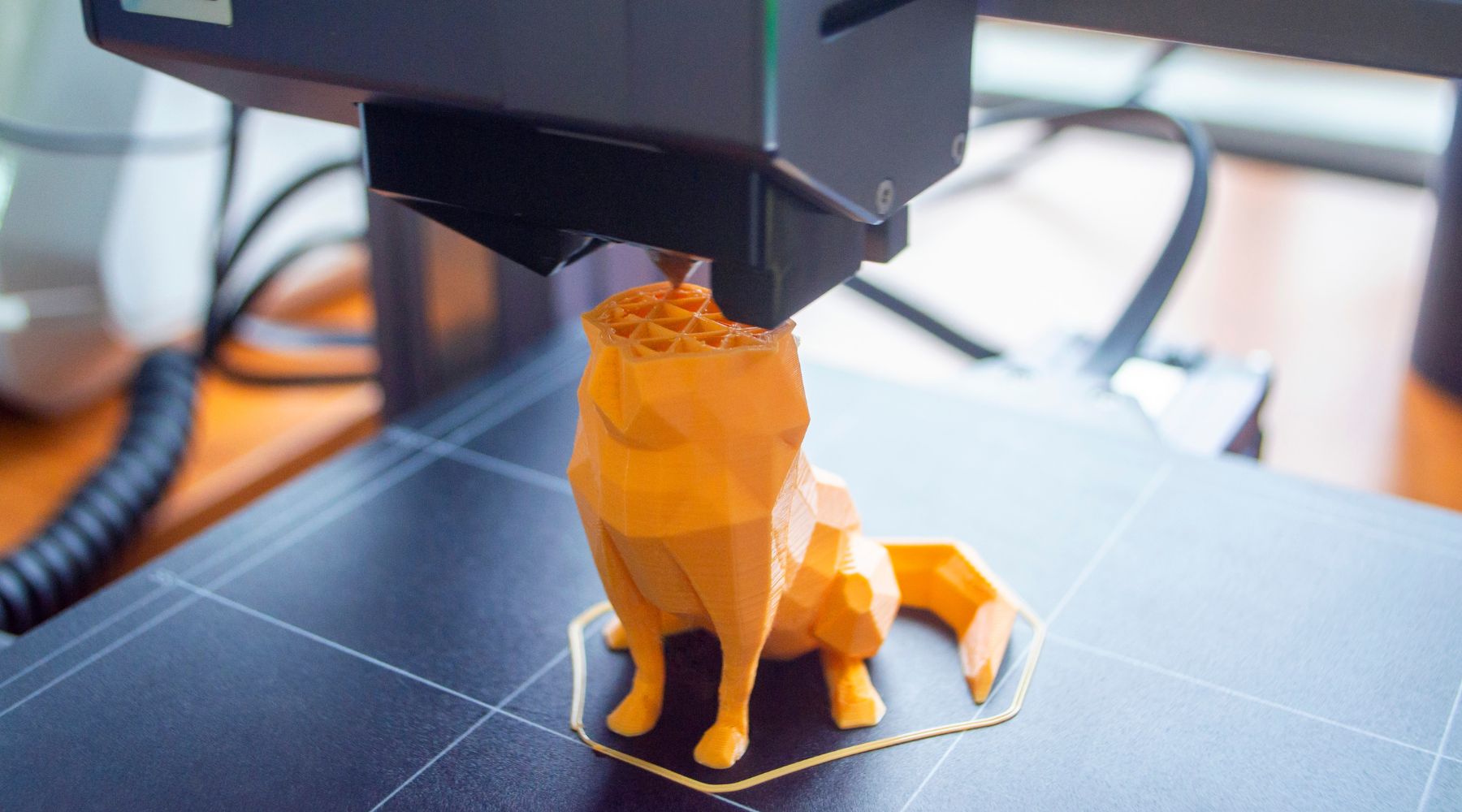
3D printing and laser engraving have become essential tools for creators, businesses, and hobbyists—but both processes produce fumes that shouldn't be ignored. From plastic VOCs to laser-generated smoke, these emissions can quickly build up in enclosed workspaces.
At Activated Carbon Depot, we've worked extensively with customers trying to solve one core problem: how to effectively remove fumes without compromising airflow or system performance. One of the most reliable solutions we've seen is using thermally activated granular and pelletized carbon specifically designed for vapor-phase filtration.
What Are 3D Printer and Laser Fumes Made Of?
3D Printing Emissions:
- VOCs (styrene from ABS, formaldehyde from some filaments)
- Ultrafine particles (UFPs)
- Odor compounds from heated plastics
Laser Engraving Emissions:
- Smoke from material combustion
- Chemical vapors from plastics, wood, or coatings
- Strong, lingering odors
What Does “Thermally Activated” Mean (And Why It’s Important)
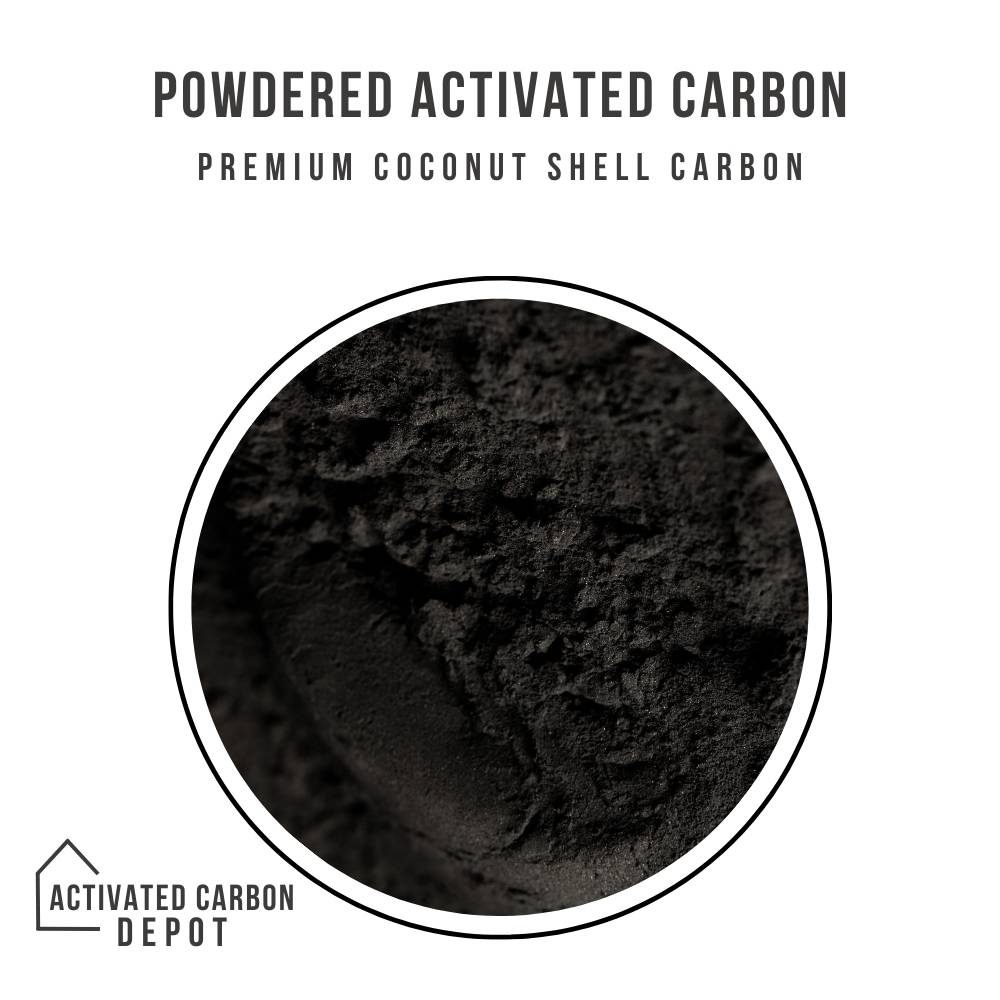
Activated carbon can be produced using different methods, but thermal activation is one of the most effective for vapor-phase applications. At Activated Carbon Depot, we prioritize thermally activated carbon because it creates a highly developed pore structure that is ideal for capturing gases and odors.
Benefits of Thermal Activation:
- Increased surface area for adsorption
- Better pore distribution for capturing VOCs
- Stronger performance in continuous airflow systems
- More consistent and reliable filtration results
Granular vs. Pelletized Carbon: What’s the Difference?
Both granular activated carbon (GAC) and pelletized carbon are commonly used in filtration systems, but each has its advantages.
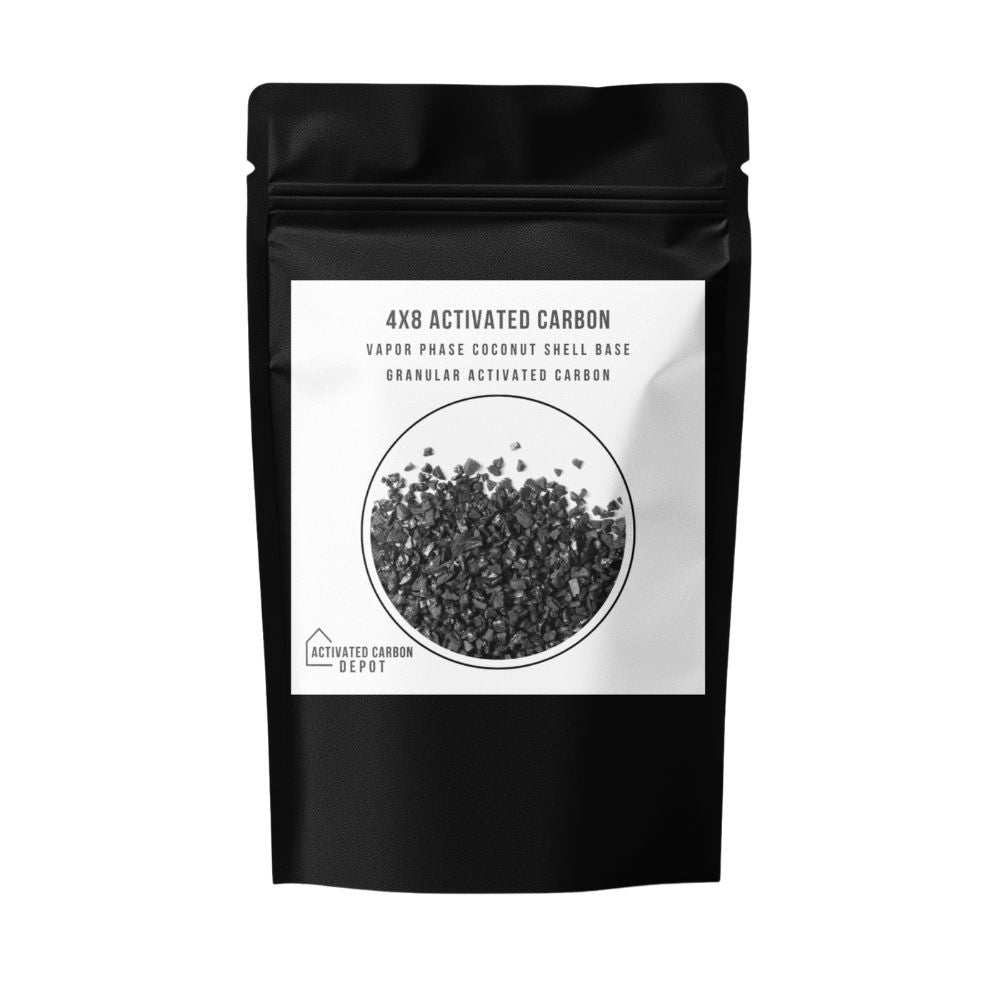
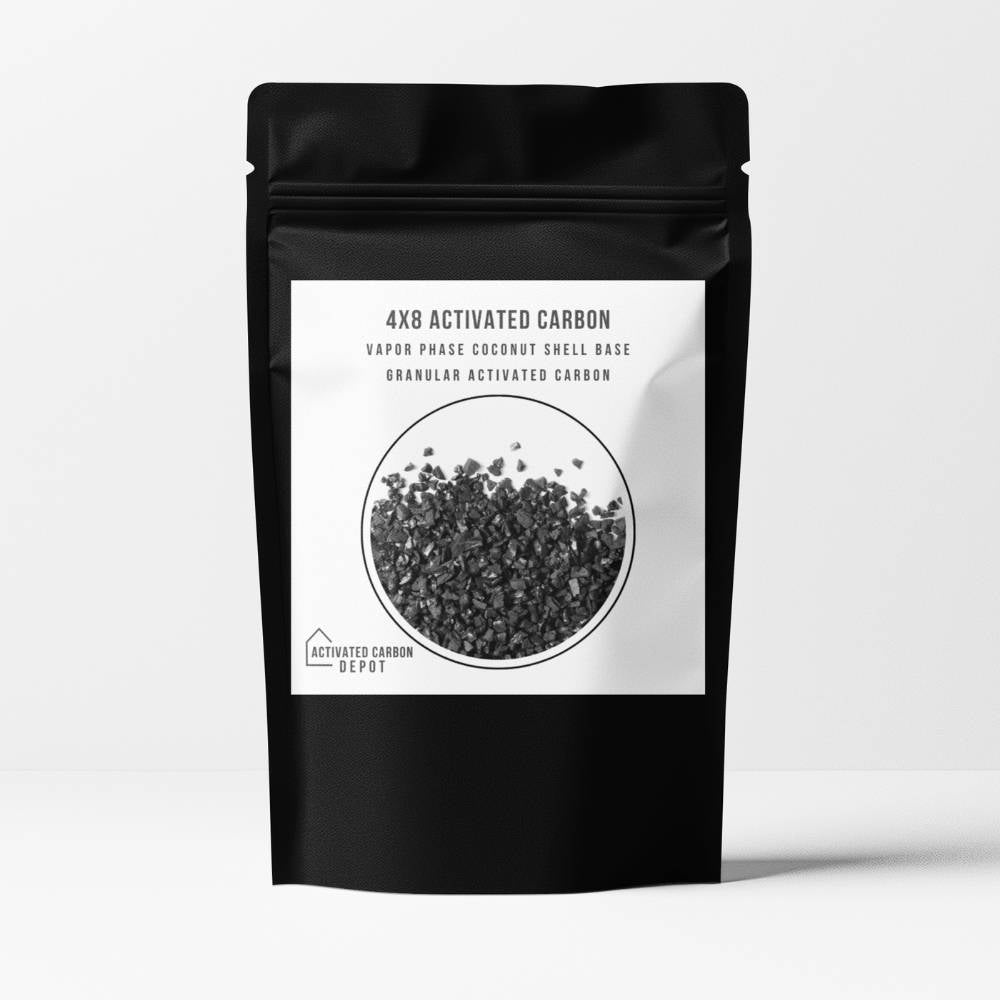
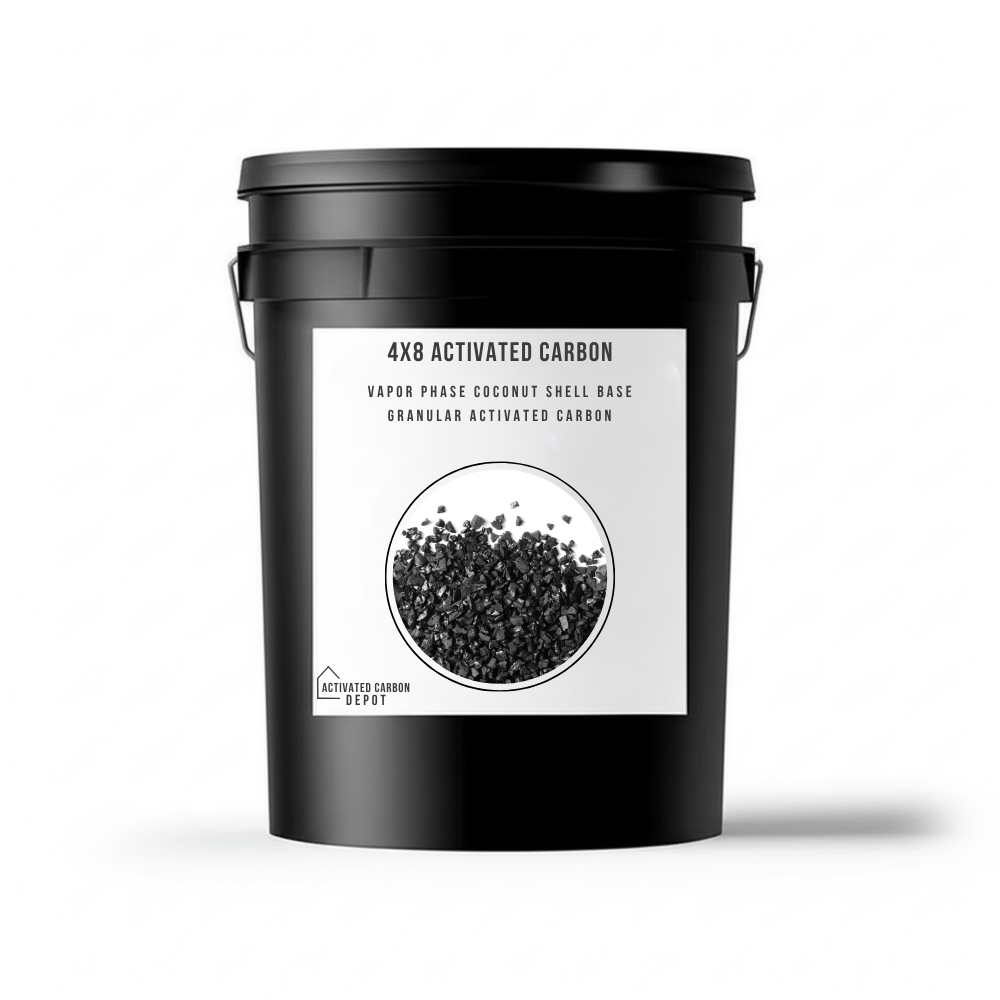
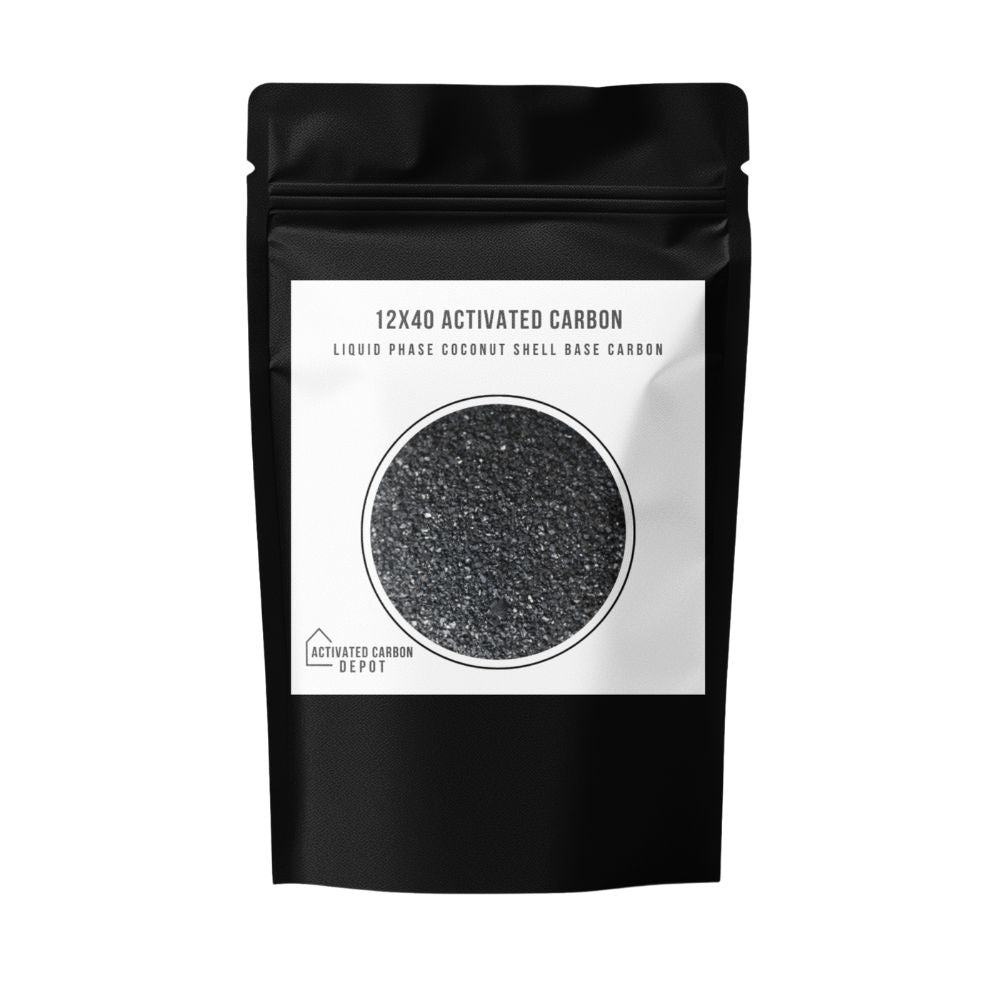
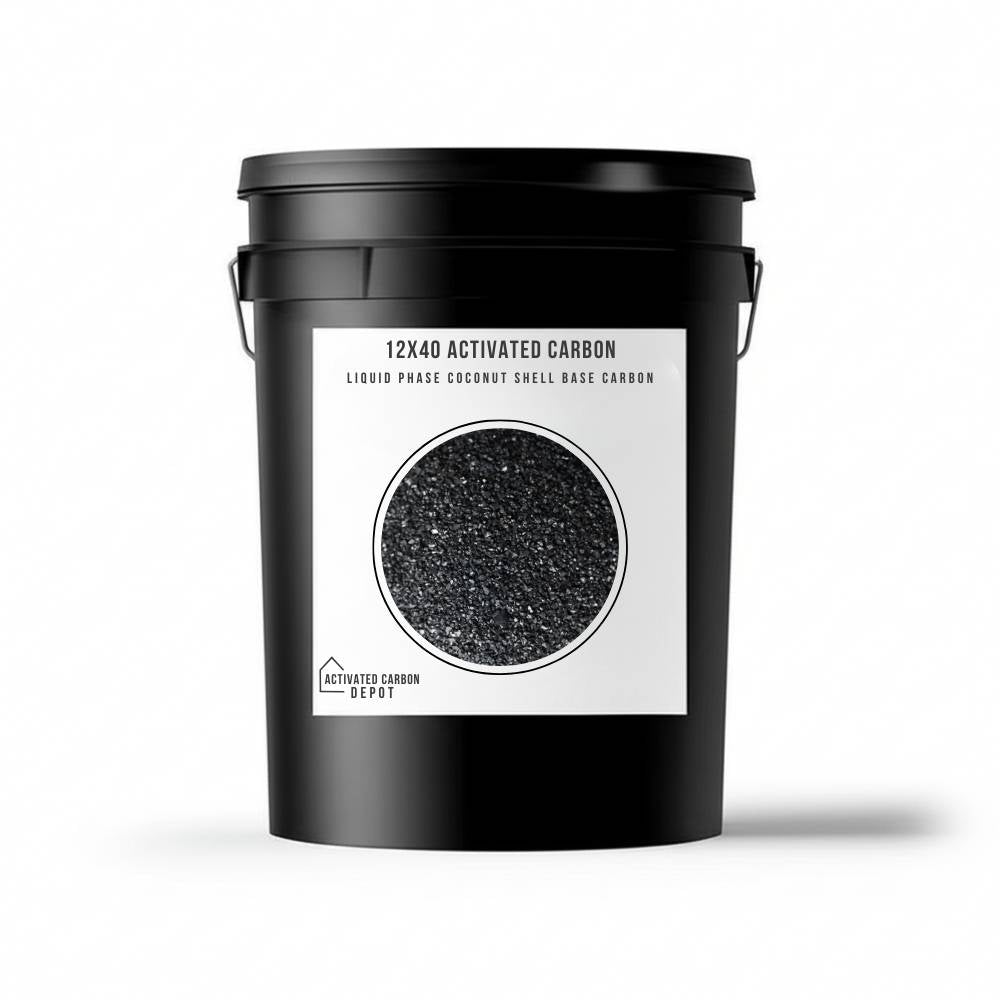
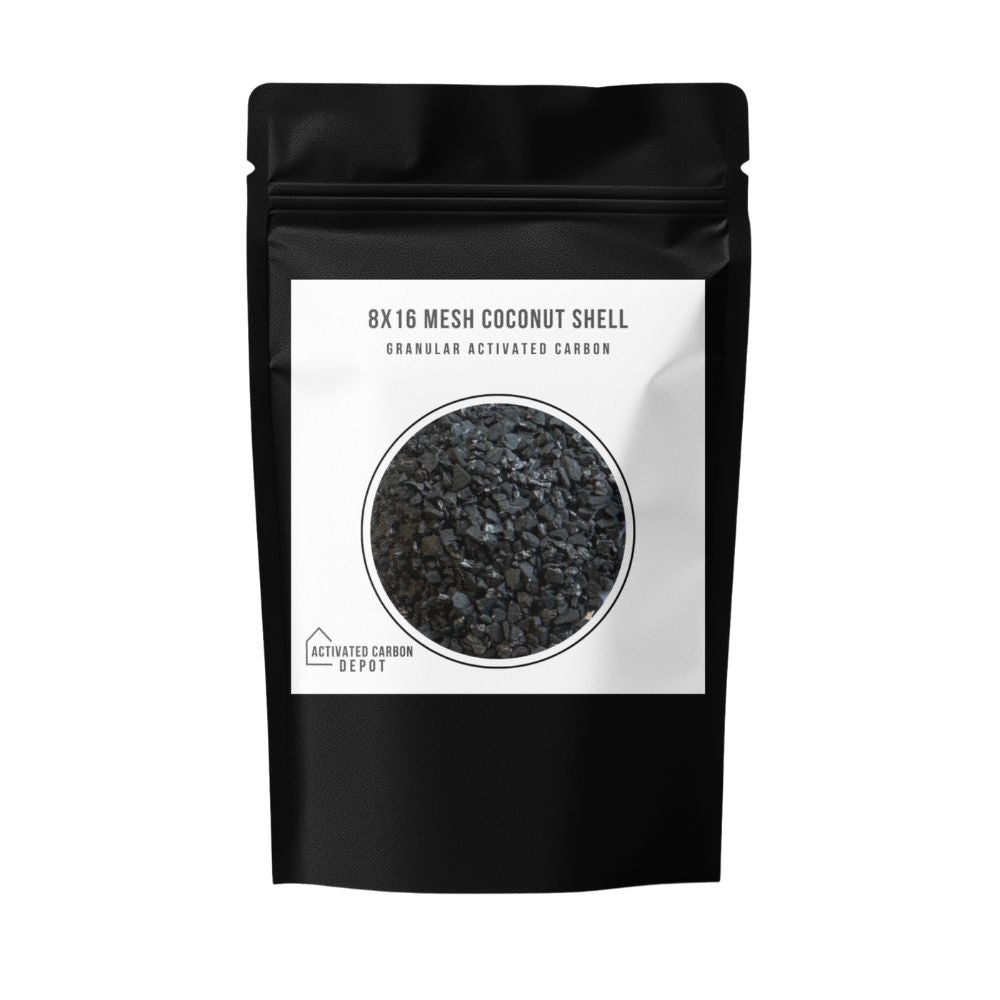
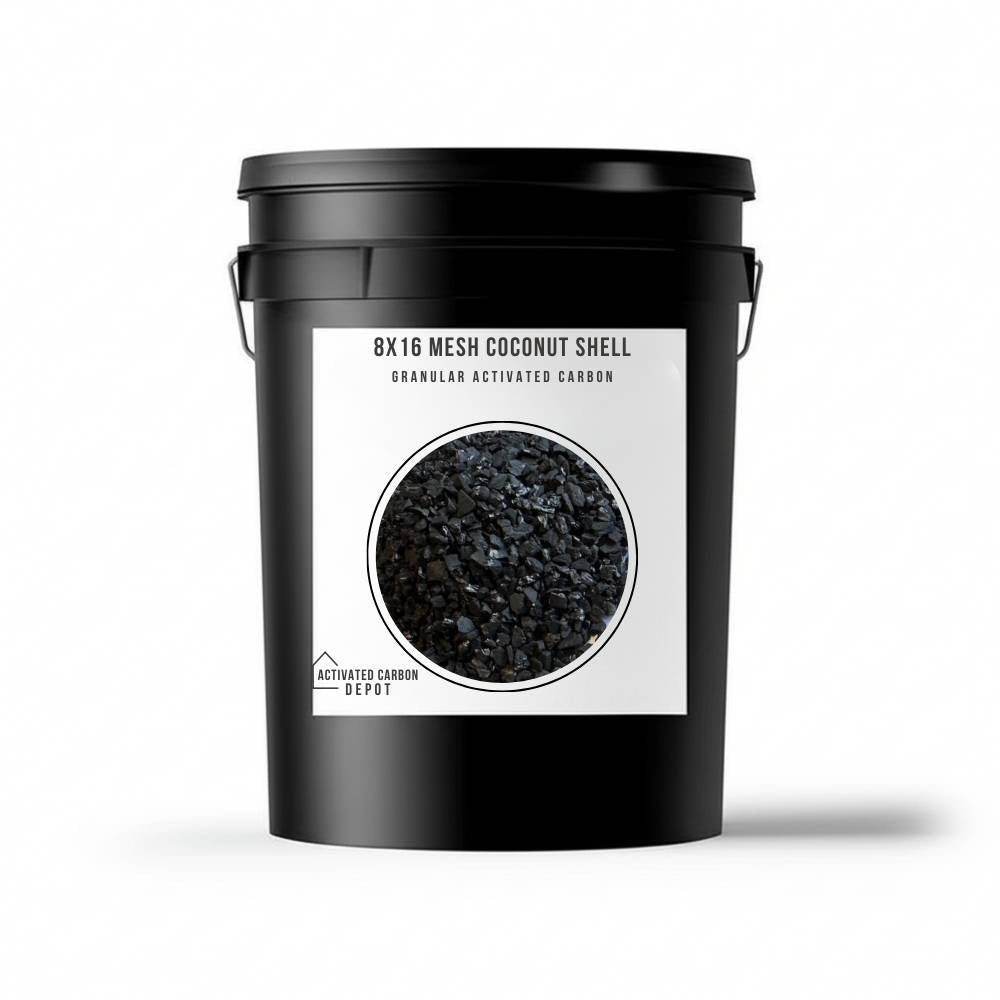
Granular Activated Carbon (GAC): Irregular particle shape, higher surface area exposure, excellent adsorption capacity.
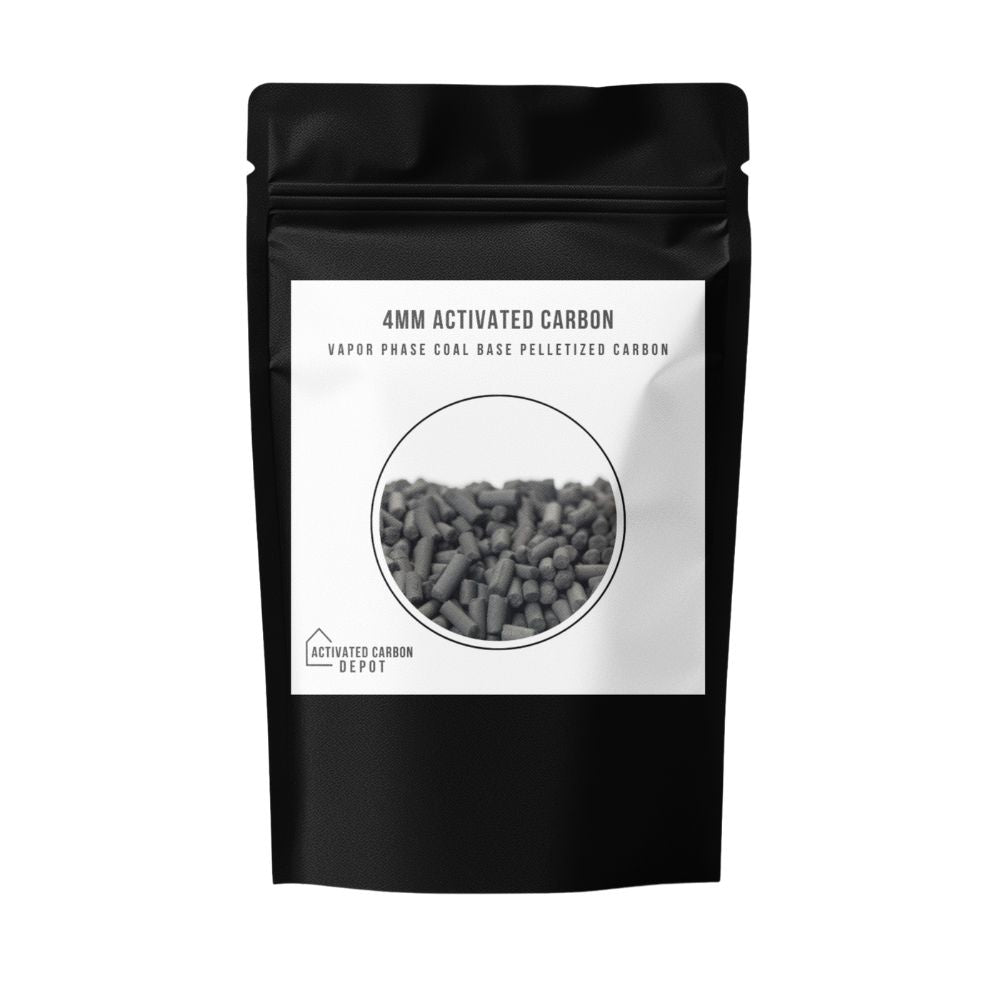
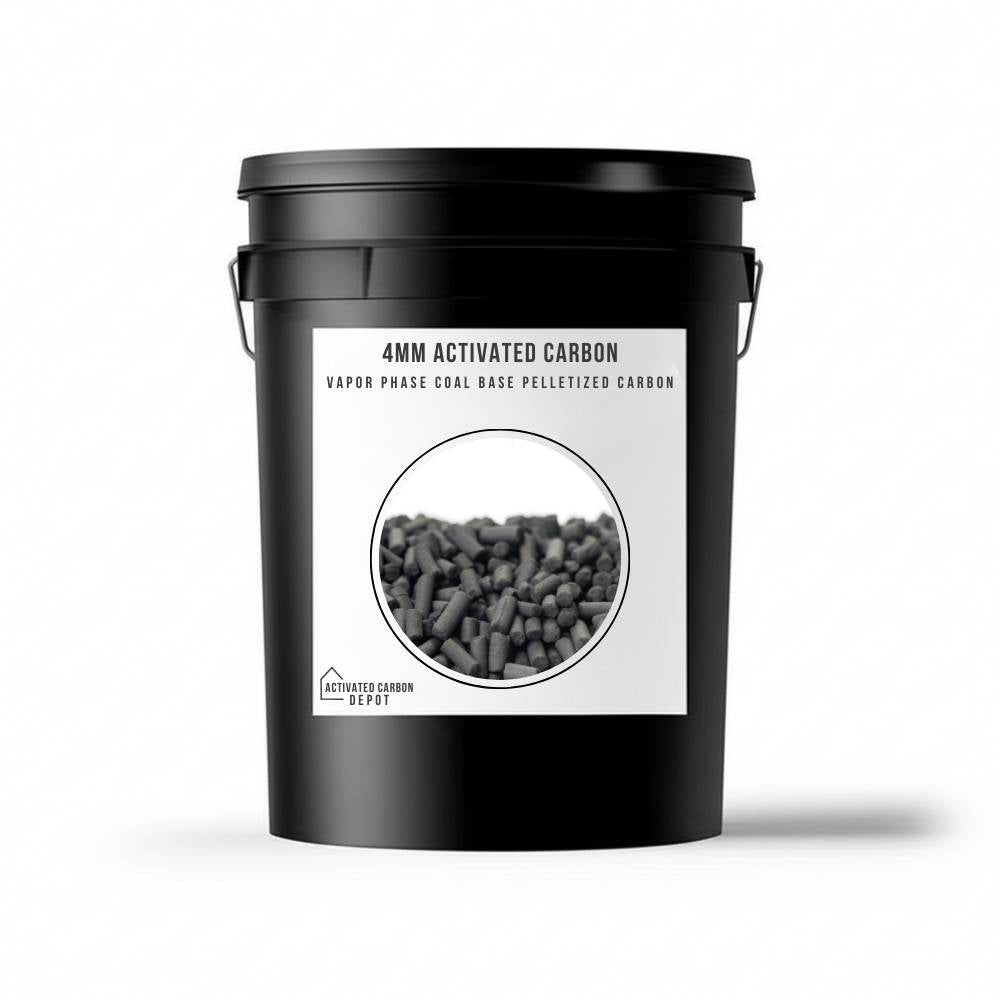
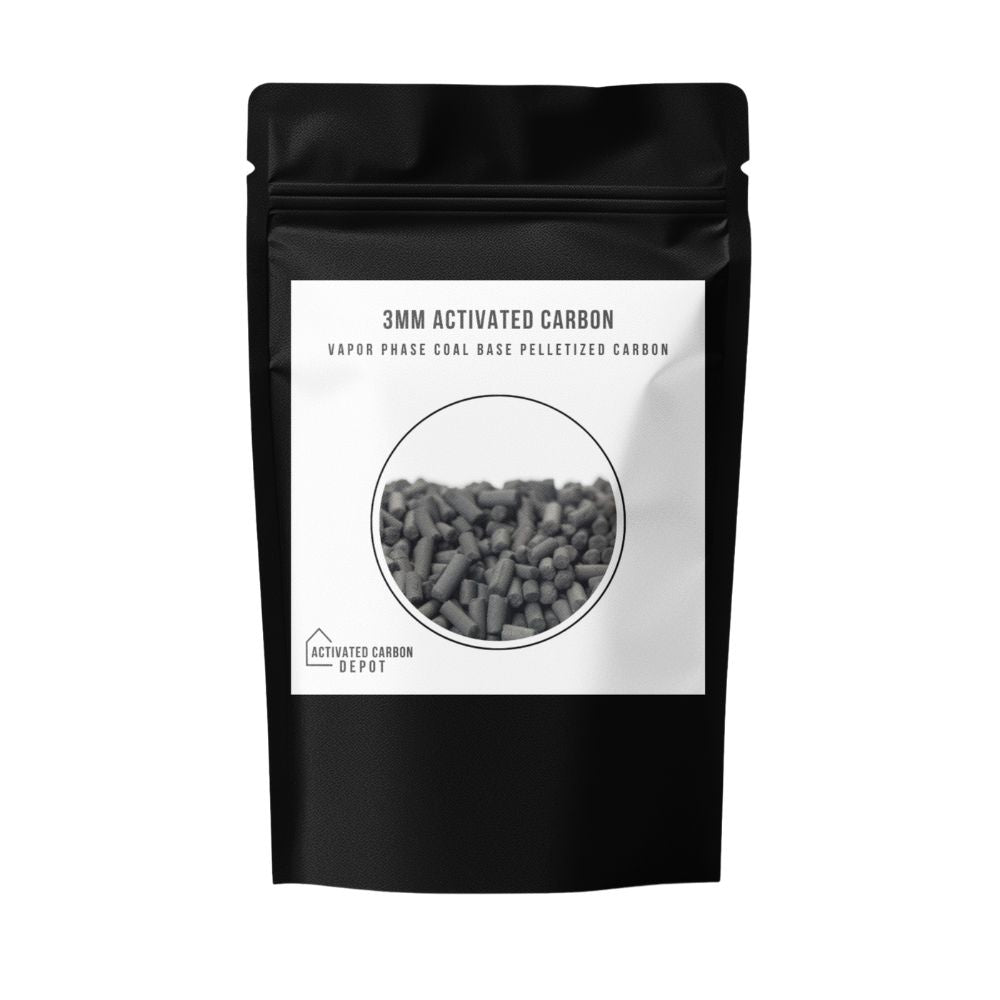
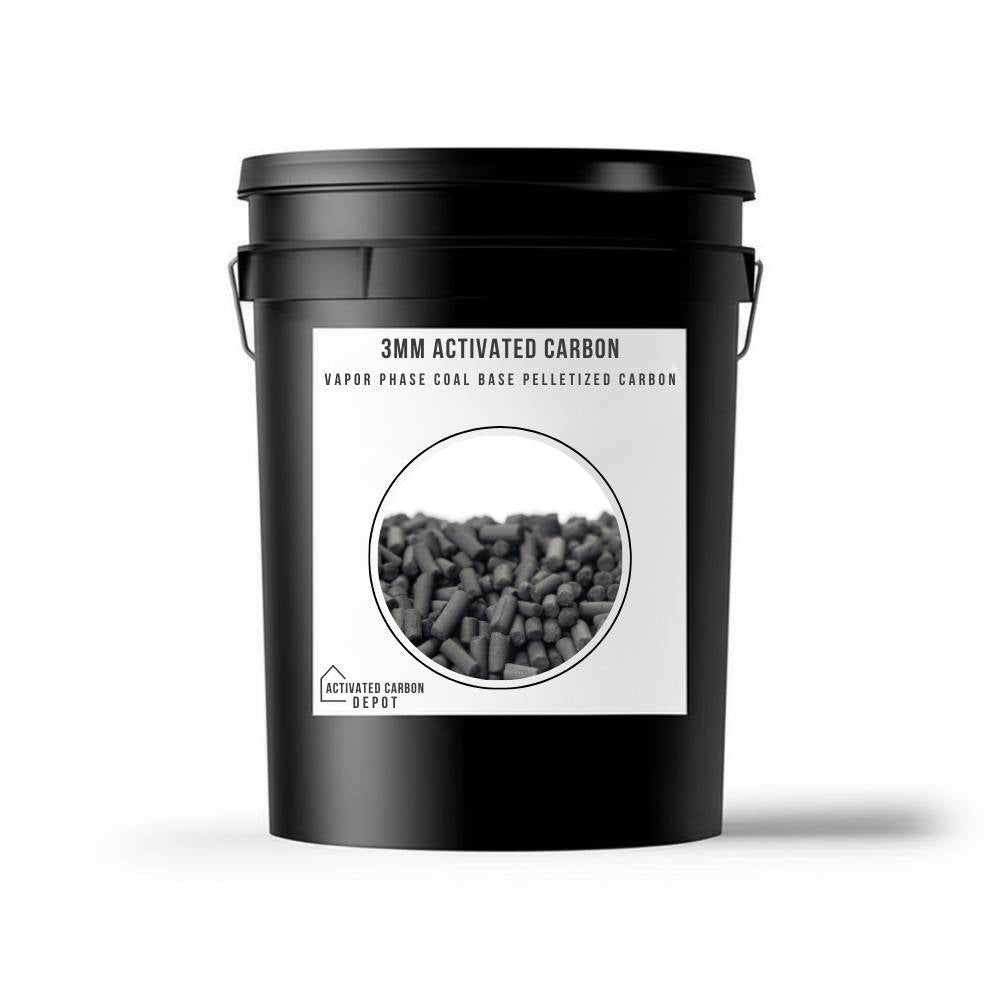
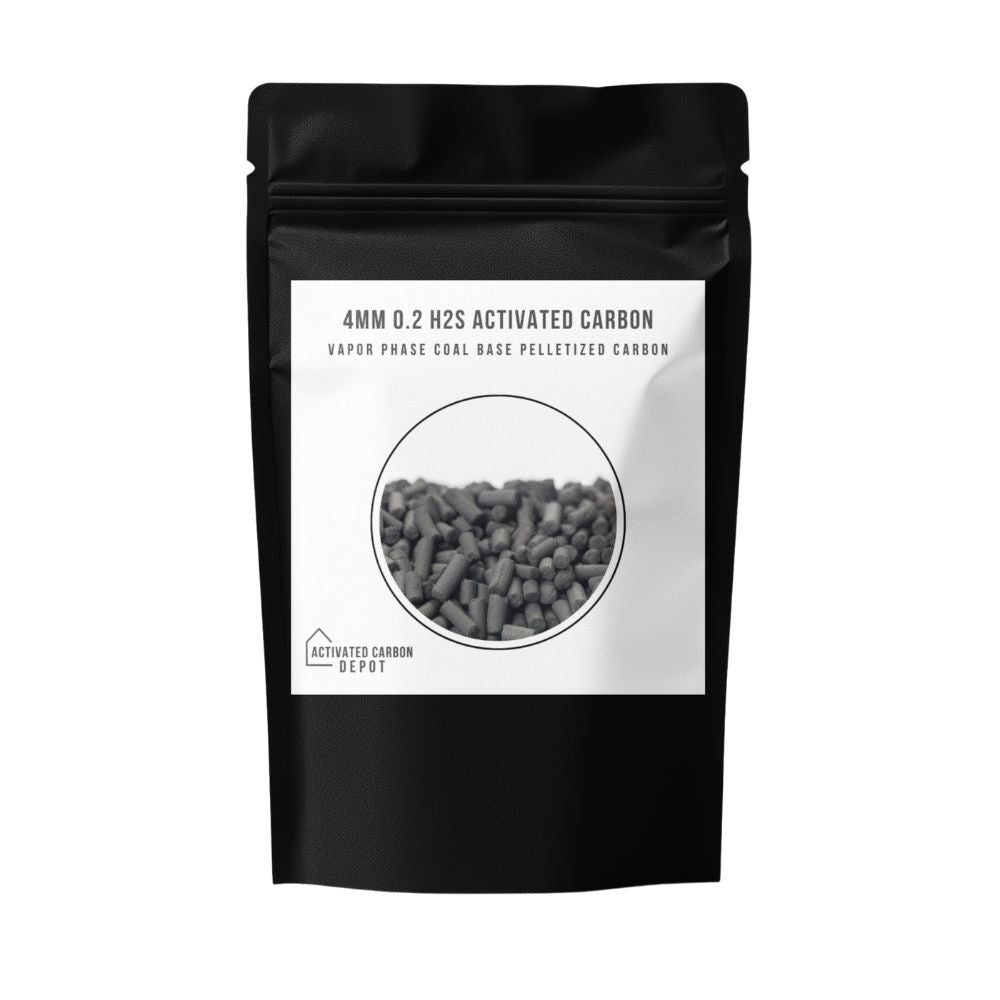
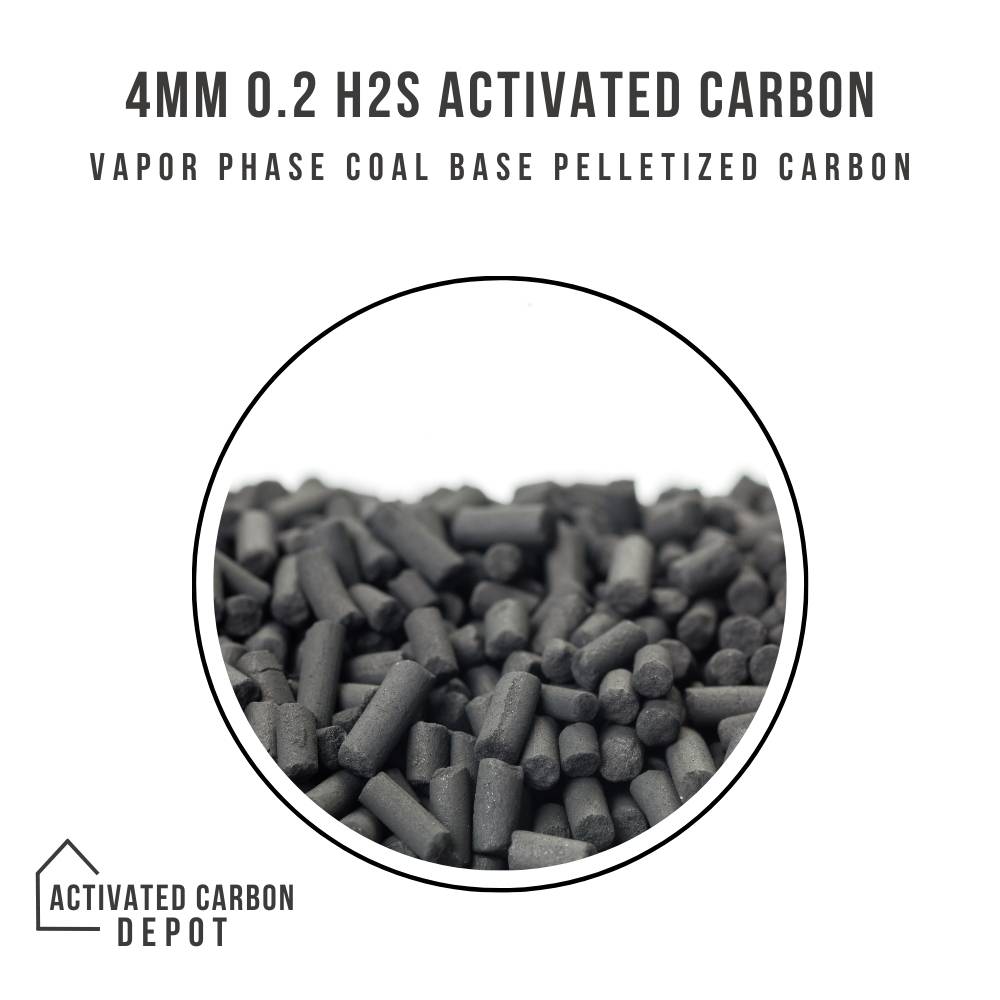
Pelletized Carbon: Uniform cylindrical shape, better airflow characteristics, lower pressure drop in systems.
The Thermally Activated Granular & Pellet Carbon for 3D Printers & Laser Filtration is designed to balance both adsorption efficiency and airflow, making it ideal for enclosed filtration setups.
Why Airflow and Carbon Type Must Work Together
For effective filtration, air must pass through the carbon evenly, contact time must be sufficient for adsorption, and the system must avoid clogging or restriction. Granular carbon provides strong adsorption, while pelletized carbon helps maintain airflow. Together, they create a system that captures fumes efficiently without overloading your fan or enclosure.
Applications in 3D Printing and Laser Systems
- Enclosed 3D Printers: Systems like Bambu Lab, Prusa enclosures, and DIY setups benefit from carbon filtration to capture VOCs and odors before they escape.
- Nevermore and Bento Box Filters: These compact filtration systems rely heavily on proper carbon selection to maintain airflow and performance.
- Laser Engravers and Cutters: Laser systems generate smoke and chemical vapors that require strong vapor-phase filtration.
- Print Farms and Workspaces: For higher-volume environments, consistent filtration becomes even more important to maintain air quality.
Signs Your Carbon Isn’t Performing Properly
If your filtration system isn't delivering results, the issue is often the carbon. Common signs include persistent odors during or after printing, smoke lingering in the enclosure, reduced airflow through the filter, and frequent need for replacement. Upgrading to a higher-quality, thermally activated carbon often resolves these issues quickly.
Best Practices for Using Carbon in Filtration Systems
- Don’t Overpack the Filter: Too much carbon restricts airflow and reduces efficiency.
- Use Pre-Filtration When Possible: HEPA filters or pre-filters can capture particles before they reach the carbon.
- Replace Carbon Regularly: Hobby use every 2–3 months; heavy use more frequently.
- Monitor Odor and Air Quality: Odor returning is often the first sign of saturation.
Final Thoughts
Fume control in 3D printing and laser engraving isn't just about comfort—it's about creating a safe, efficient workspace. Thermally activated carbon provides the adsorption power needed to capture VOCs, odors, and smoke at the source. When combined with proper airflow and system design, it becomes one of the most effective tools for maintaining clean air.
Shop Activated Carbon for 3D Printers & Laser Engravers
Thermally activated carbon designed for VOC capture, odor control, and fume filtration in enclosed printing environments: