Wastewater treatment is a crucial process for safeguarding public health and protecting the environment. As industries grow and urban populations expand, the need for effective and sustainable water treatment solutions becomes more critical. Activated carbon has become a cornerstone in modern wastewater treatment due to its exceptional ability to adsorb a wide range of pollutants, from organic compounds to heavy metals. This article explores the role of activated carbon in wastewater treatment and how it contributes to environmental preservation.
Why Use Activated Carbon in Wastewater Treatment?
Activated carbon is a highly porous material with a vast internal surface area, making it ideal for adsorption. It works by trapping contaminants within its pores through physical and chemical interactions, effectively removing pollutants from water.
Key contaminants removed by activated carbon:
Volatile Organic Compounds (VOCs)
Chlorinated solvents
Pharmaceuticals and personal care products (PPCPs)
Heavy metals (in certain forms)
Pesticides and herbicides
Odors and taste compounds
Synthetic dyes
Applications in Wastewater Treatment Systems
1. Industrial Wastewater Treatment
Many industries generate wastewater containing hazardous chemicals and pollutants. Activated carbon is used to treat water discharged from sectors such as textile, pharmaceutical, petrochemical, and food processing.
Reduces toxicity of effluents
Removes trace organics that conventional treatment can miss
Ensures compliance with environmental discharge regulations
2. Municipal Wastewater Treatment
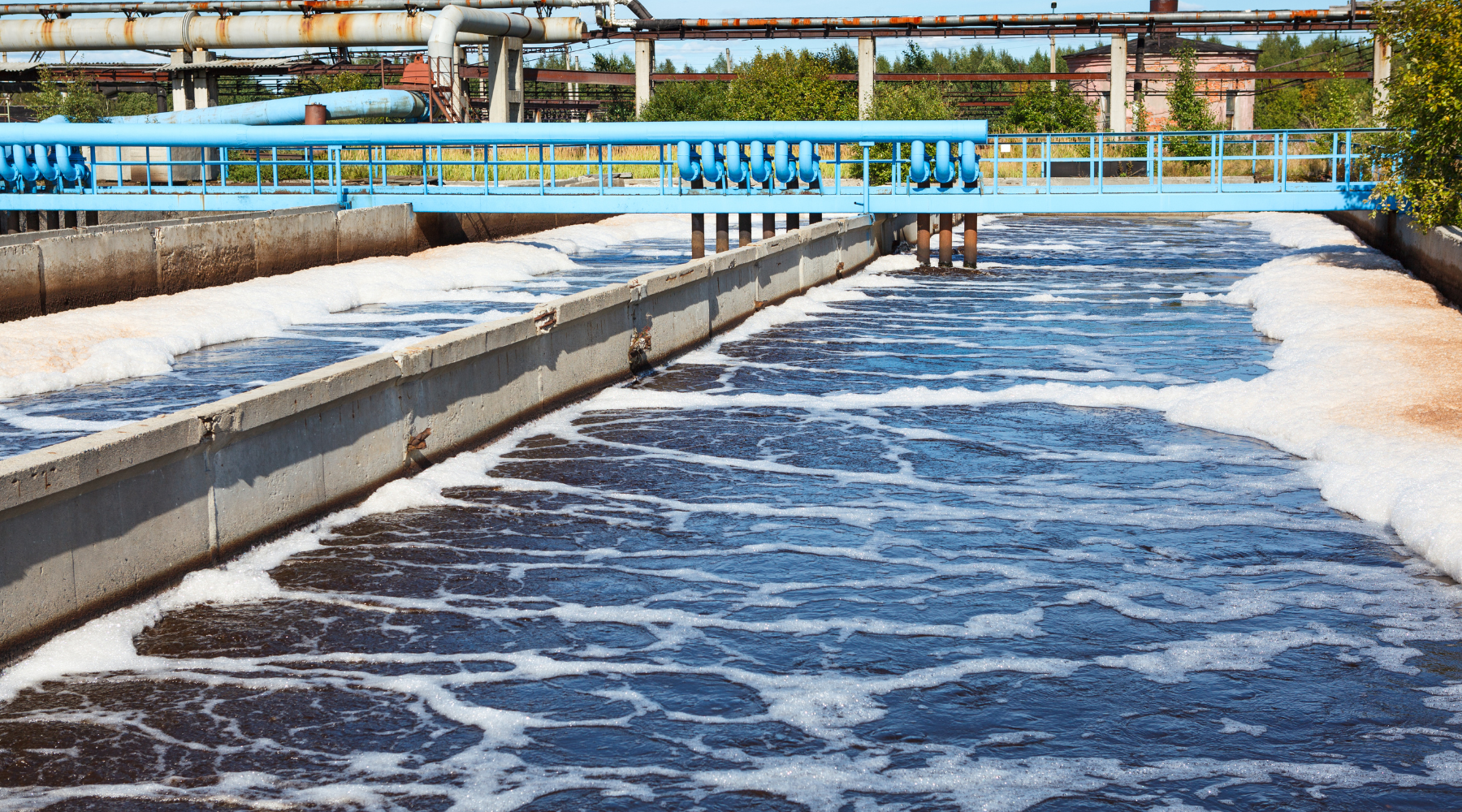
Activated carbon is used in tertiary treatment stages to polish effluents before they are released into the environment or reused.
Removes residual chemicals and pharmaceuticals
Improves taste, odor, and clarity of treated water
Enhances safety for agricultural or recreational reuse
3. Groundwater and Leachate Treatment
Sites affected by contamination, such as landfills or chemical spills, often rely on activated carbon to remove organic pollutants from groundwater and leachate.
Captures hazardous chemicals
Supports site remediation and cleanup efforts
Protects drinking water sources
Types of Activated Carbon Used
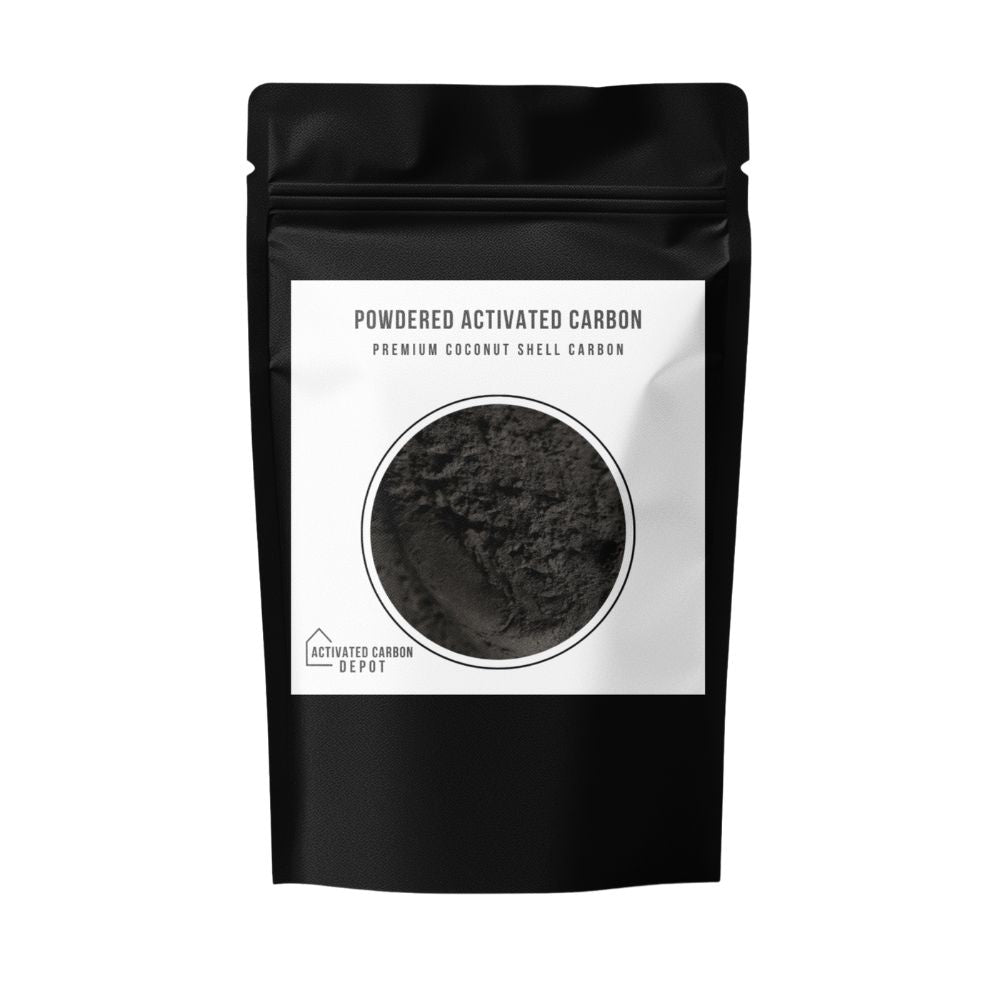
Powdered Activated Carbon (PAC): Added directly to treatment basins or tanks for batch treatment or during emergency spill responses.
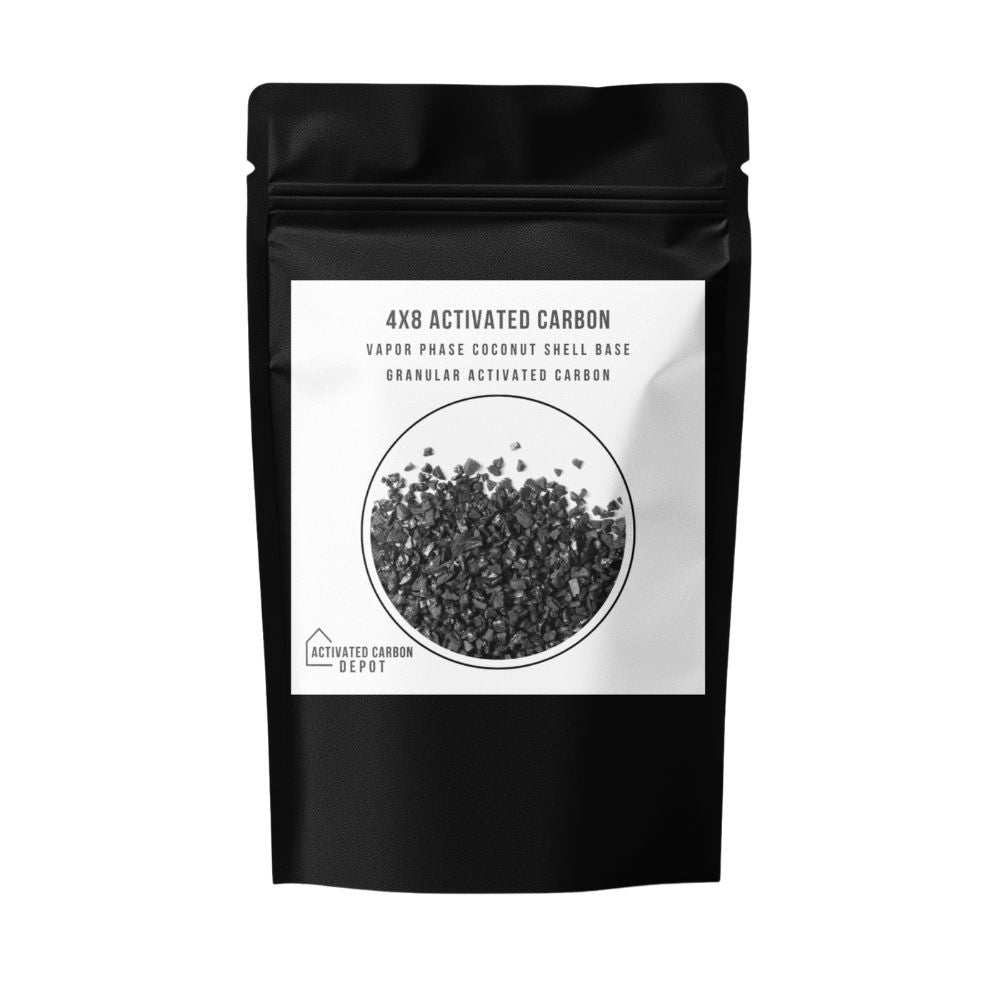
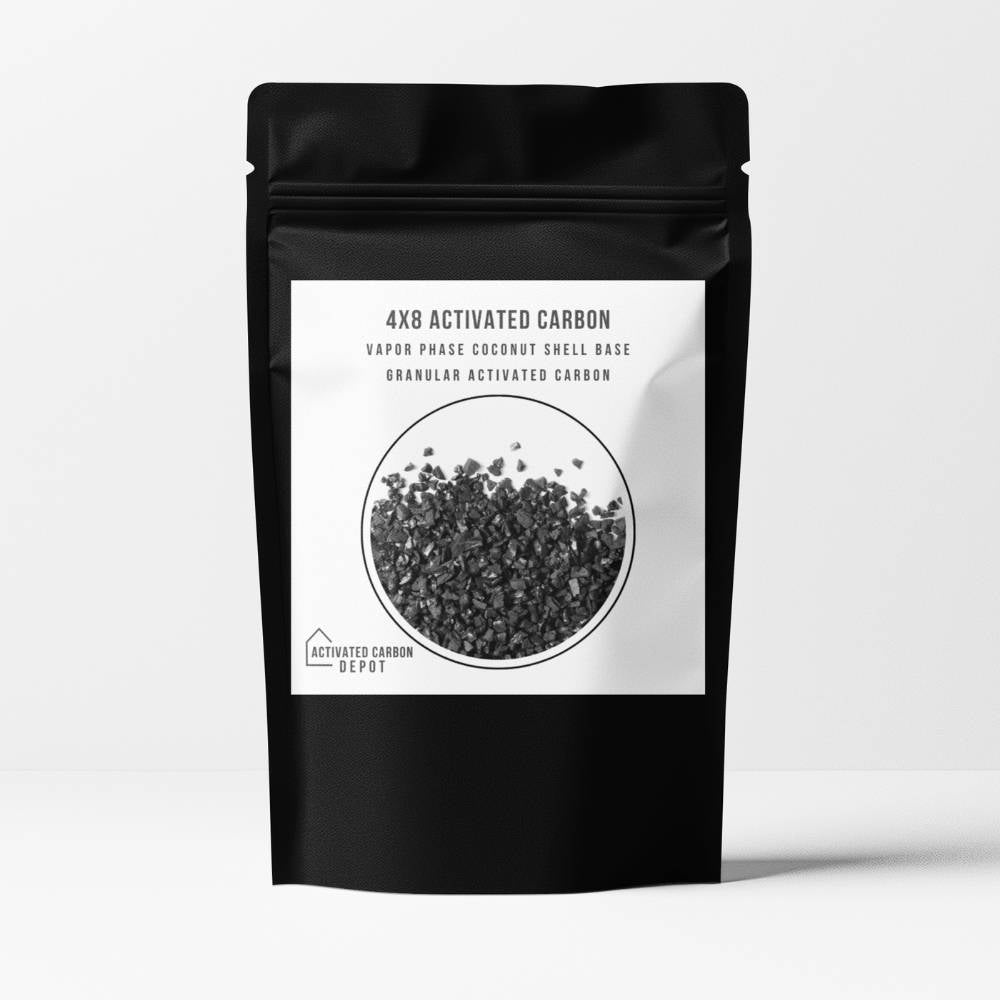
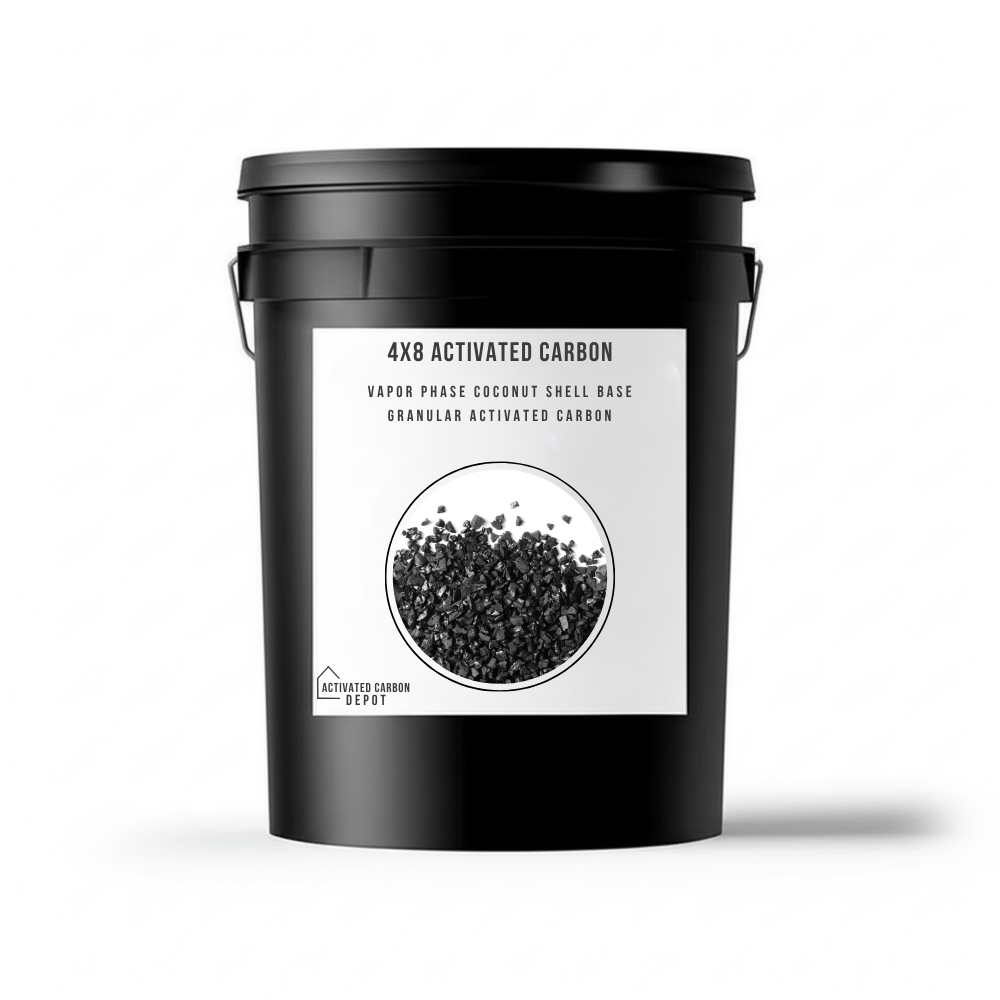
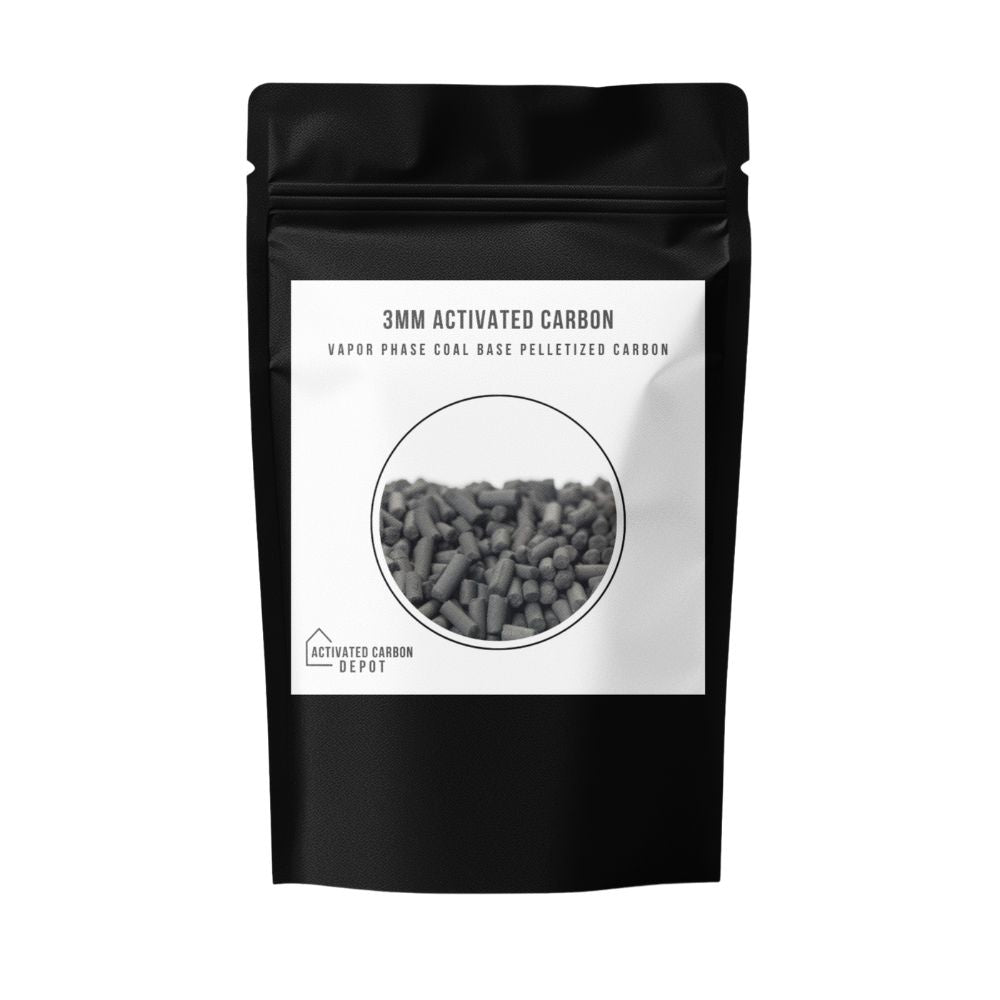
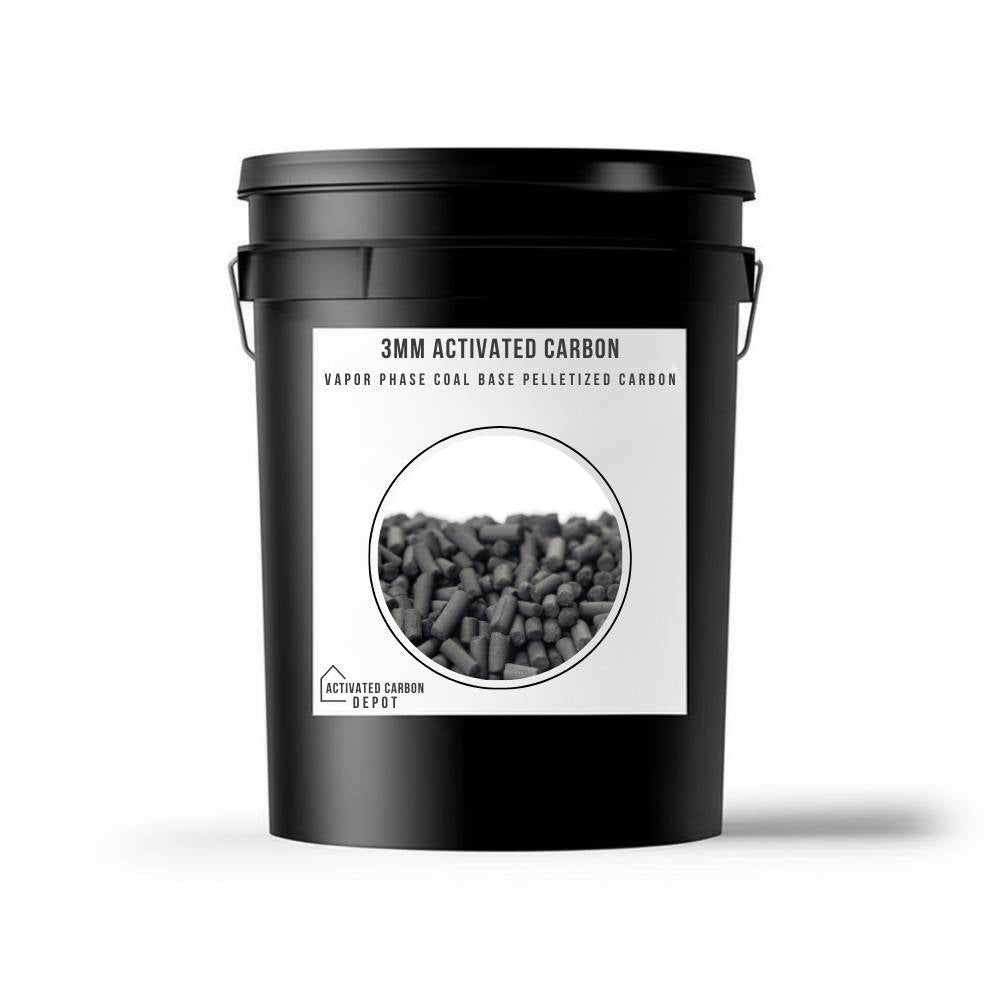
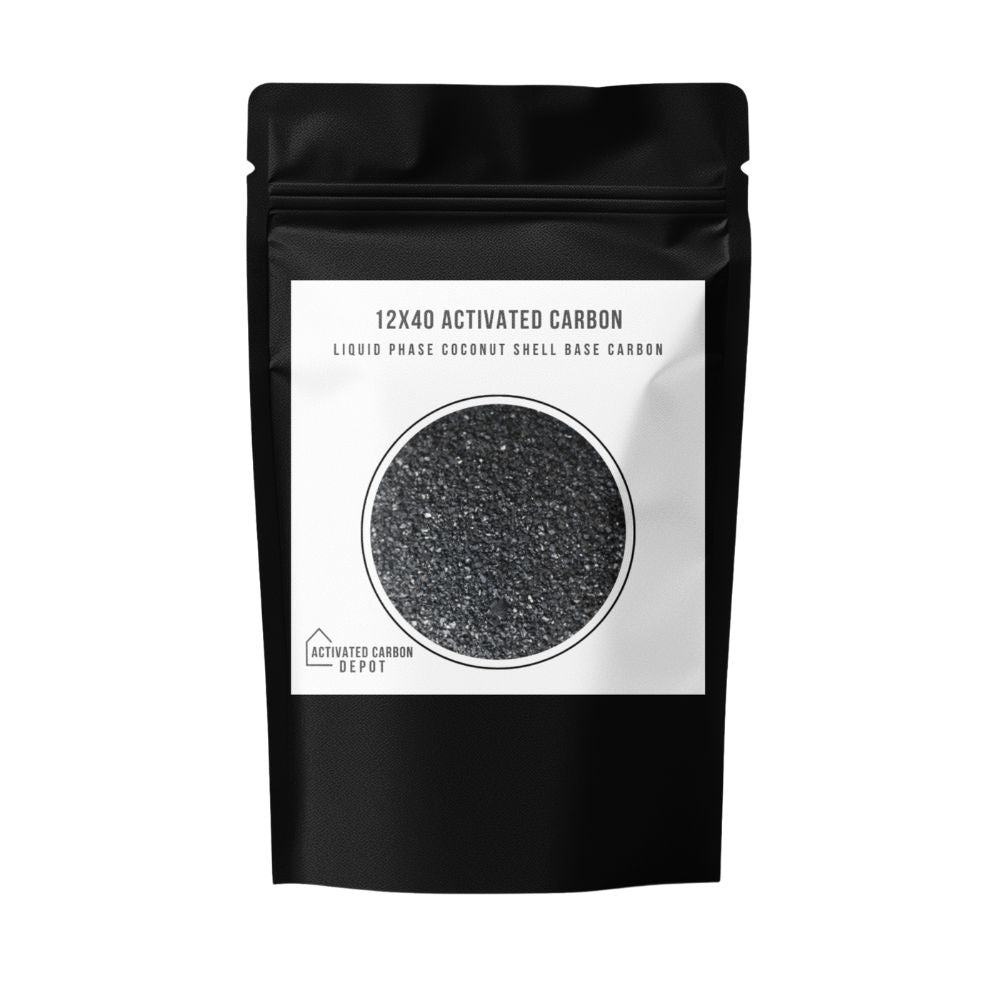
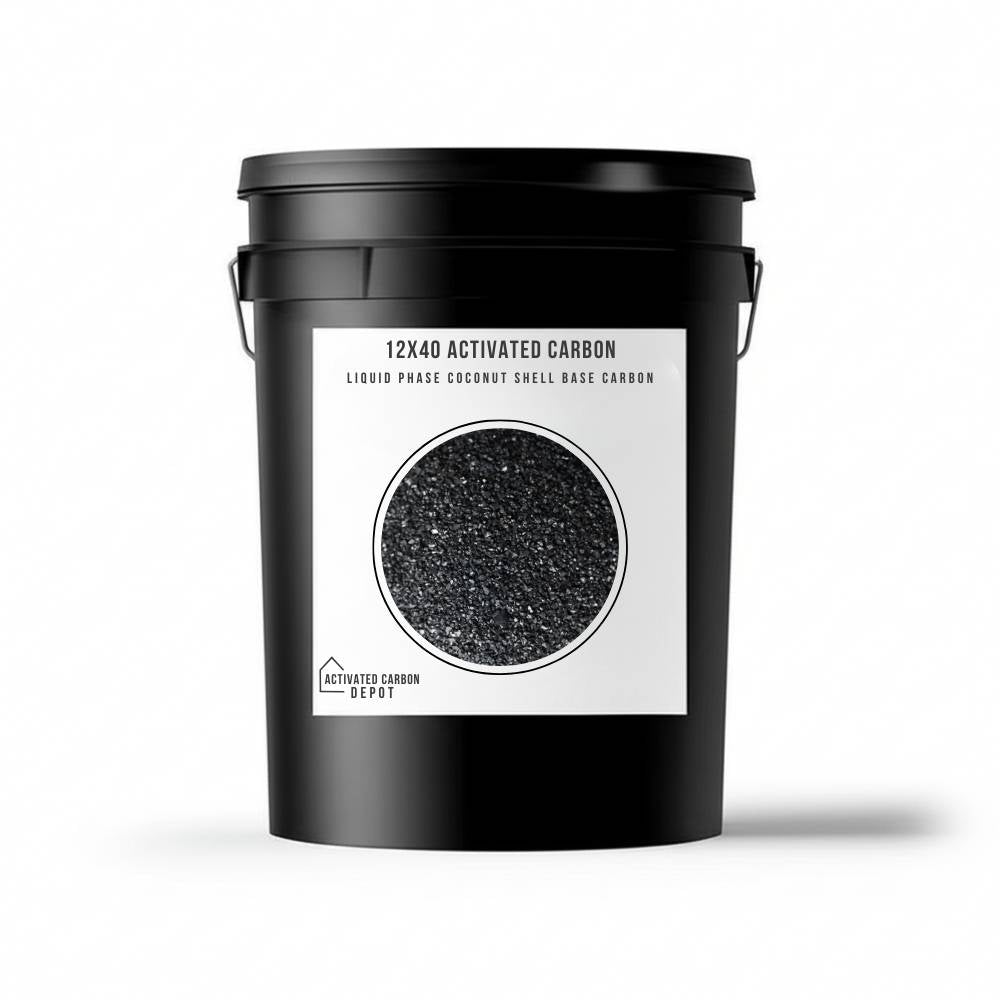
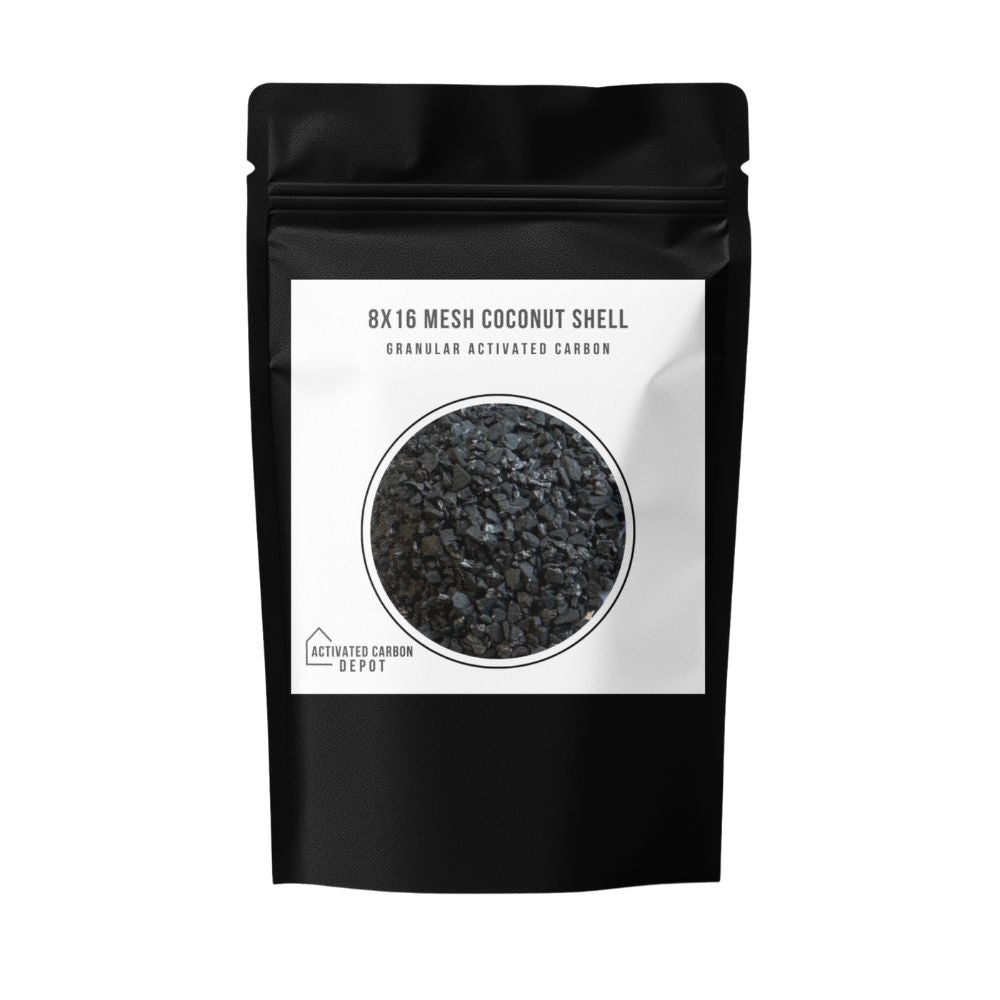
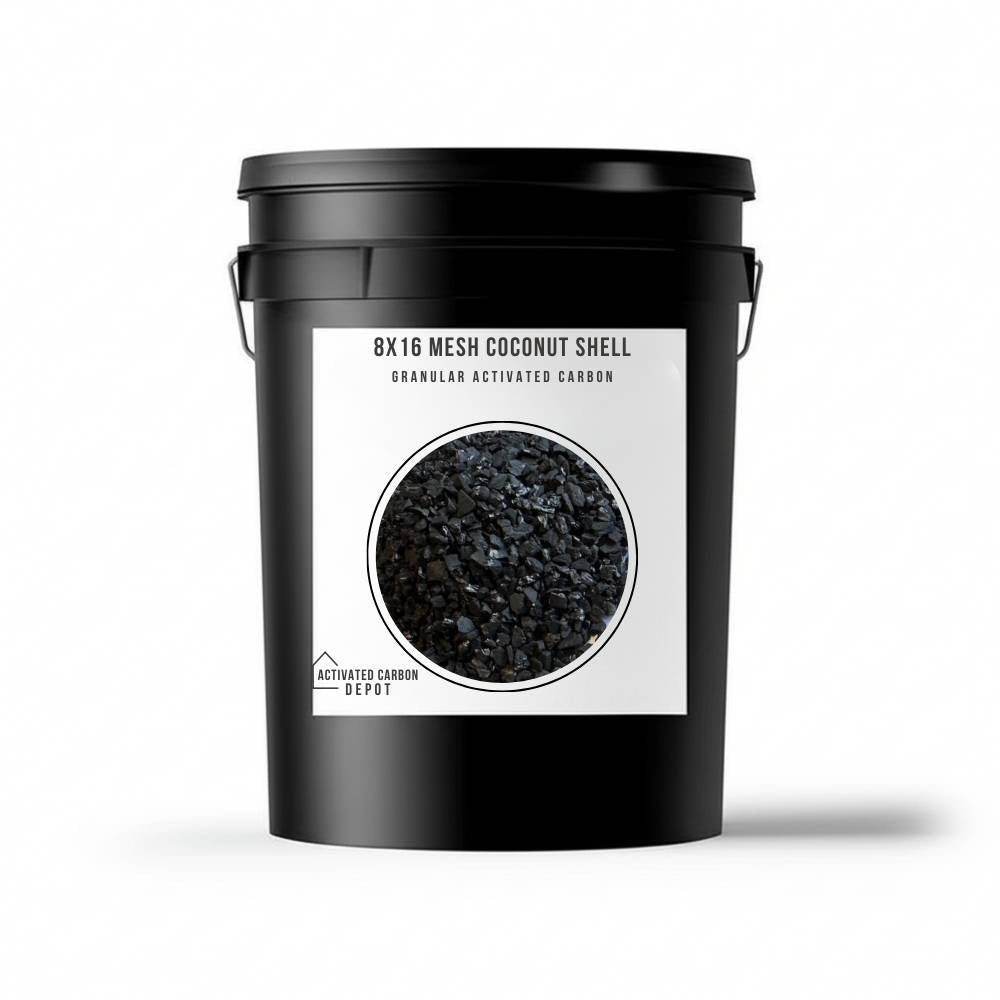
Granular Activated Carbon (GAC): Used in fixed-bed filters for continuous treatment and higher flow capacities.
Impregnated Activated Carbon: Enhanced with chemical agents to target specific contaminants like mercury or ammonia.
Environmental Benefits of Activated Carbon in Wastewater Treatment
Protects Aquatic Ecosystems: Prevents harmful substances from entering rivers, lakes, and oceans.
Supports Water Reuse: Makes treated wastewater safe for irrigation, industrial use, or replenishing groundwater.
Reduces Reliance on Harmful Chemicals: Offers a natural, non-toxic purification method.
Aids in Pollution Control: Helps industries meet strict discharge limits and environmental standards.
Considerations for Effective Use
Carbon Selection: The pore structure, surface area, and type of activated carbon should be matched to the contaminants present.
Replacement and Regeneration: Saturated carbon must be replaced or regenerated to maintain effectiveness.
System Design: Proper contact time and flow rates are essential to ensure maximum adsorption.
Activated carbon plays a vital role in wastewater treatment by removing a broad spectrum of contaminants that threaten ecosystems and public health. From industrial discharge to municipal effluent polishing, its use enhances water quality and supports environmental sustainability. As regulations tighten and the need for water conservation grows, activated carbon will remain a critical component of advanced water treatment solutions.
Shop Activated Carbon for Wastewater Treatment
Reliable activated carbon for industrial, municipal, and groundwater treatment applications: