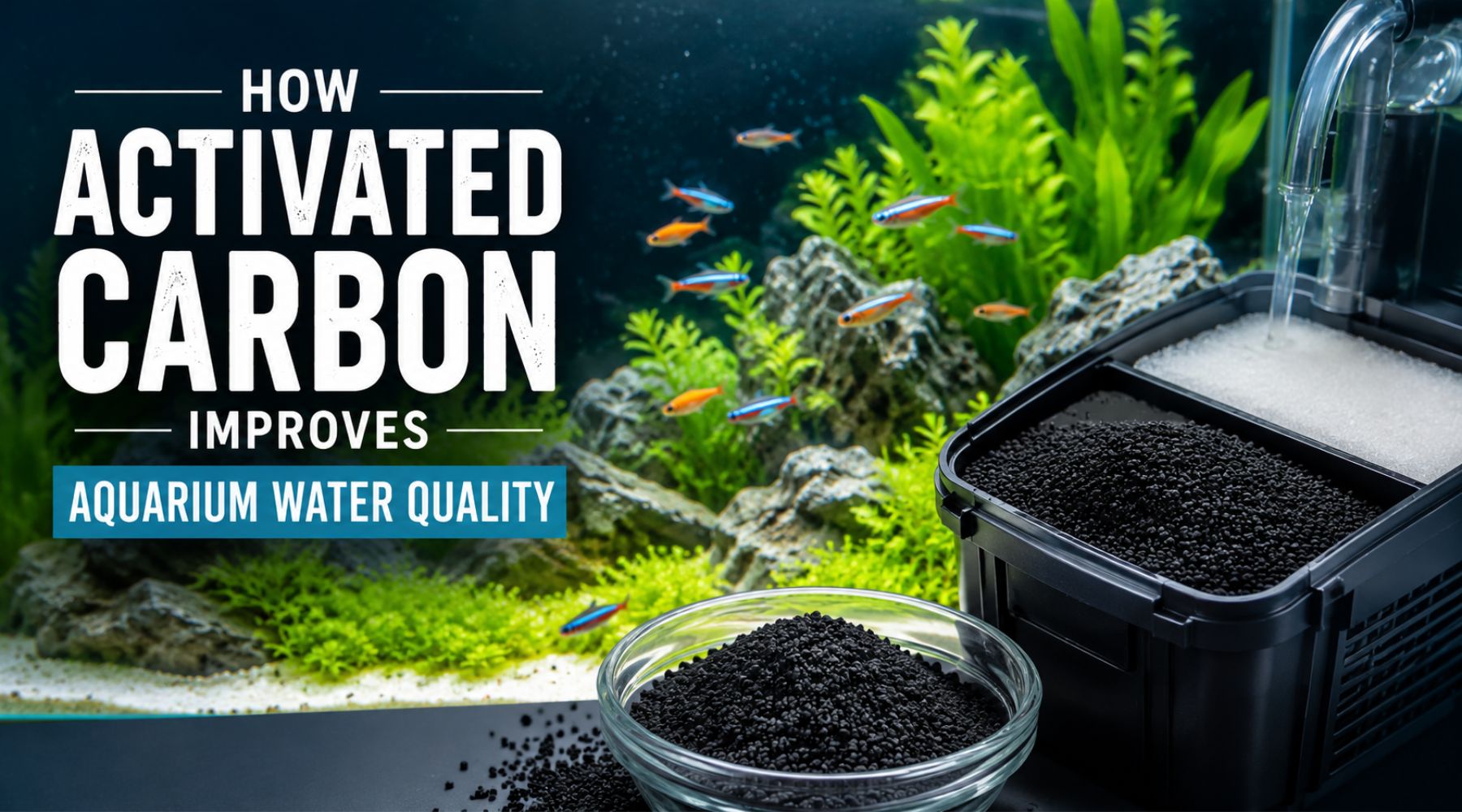
A healthy aquarium is built on more than just beautiful fish and aquatic plants—it depends on maintaining clean, stable water. Whether you have a freshwater community tank, a planted aquarium, a reef tank, or a fish-only marine system, water quality directly impacts the health of everything living inside it.
At Activated Carbon Depot, we regularly help aquarium hobbyists and professionals improve their filtration systems with high-quality activated carbon. While mechanical and biological filtration are essential, activated carbon provides a third layer of filtration by removing dissolved organic compounds and impurities that other filter media cannot effectively capture.
Does activated carbon really improve aquarium water quality?
The answer is yes—when used correctly, activated carbon can significantly improve water clarity, reduce unwanted odors, and help maintain a cleaner aquatic environment.
Why Water Quality Is So Important
An aquarium is a closed ecosystem. Every day, fish produce waste, food breaks down, plants naturally shed organic matter, and microscopic organisms continue their life cycles. Over time, these processes introduce dissolved organic compounds (DOCs) into the water that can contribute to yellow or tea-colored water, unpleasant odors, reduced water clarity, organic buildup, increased maintenance, and stress on aquatic life.
Even a well-established biological filter doesn't remove many dissolved contaminants. That's where activated carbon becomes an important part of a complete filtration system.
How Activated Carbon Works
Activated carbon removes contaminants through adsorption. Unlike mechanical filtration, which physically traps particles, activated carbon attracts and holds dissolved compounds on the surface of millions of microscopic pores created during the activation process. This enormous internal surface area allows activated carbon to capture many impurities as aquarium water flows through the filter.
- Mechanical filtration removes debris.
- Biological filtration processes harmful nitrogen compounds.
- Activated carbon removes dissolved organic contaminants that affect water quality.

What Activated Carbon Removes From Aquarium Water
- Dissolved Organic Compounds (DOCs): Organic compounds naturally accumulate from fish waste, uneaten food, decaying plants, and natural biological activity. Activated carbon helps reduce many of these dissolved organics before they build up.
- Yellow Water and Tannins: Driftwood, botanicals, leaves, and certain natural decorations release tannins into aquarium water. Activated carbon helps reduce tannins that contribute to yellow or tea-colored water.
- Unpleasant Odors: If your tank develops earthy, musty, or unpleasant smells, dissolved organic compounds may be contributing to the problem. Activated carbon helps adsorb many odor-causing compounds, leaving the water fresher.
- Residual Fish Medications: After treating fish for disease or parasites, activated carbon is commonly used to remove residual medications once treatment is complete. Always follow the medication manufacturer's recommendations regarding when to remove and reinstall activated carbon.
- Water Discoloration: Many aquarium owners notice significantly improved water clarity after adding fresh activated carbon to their filtration system.
What Activated Carbon Does NOT Remove
Activated carbon is not intended to remove ammonia, nitrite, nitrate, large suspended debris, sand or substrate particles, or most algae. These issues are typically addressed through biological filtration, mechanical filtration, routine maintenance, water changes, and proper stocking and feeding practices.
Freshwater vs. Saltwater Aquariums
Activated carbon provides benefits in both freshwater and marine systems. In freshwater aquariums, it is commonly used to improve water clarity, remove dissolved organics, reduce odors, and eliminate tannins when desired. In saltwater and reef aquariums, it can assist in reducing dissolved organic compounds that naturally accumulate over time, supporting overall water quality and improving light penetration for corals and other photosynthetic organisms.
Why Coconut Shell Activated Carbon Is a Popular Choice
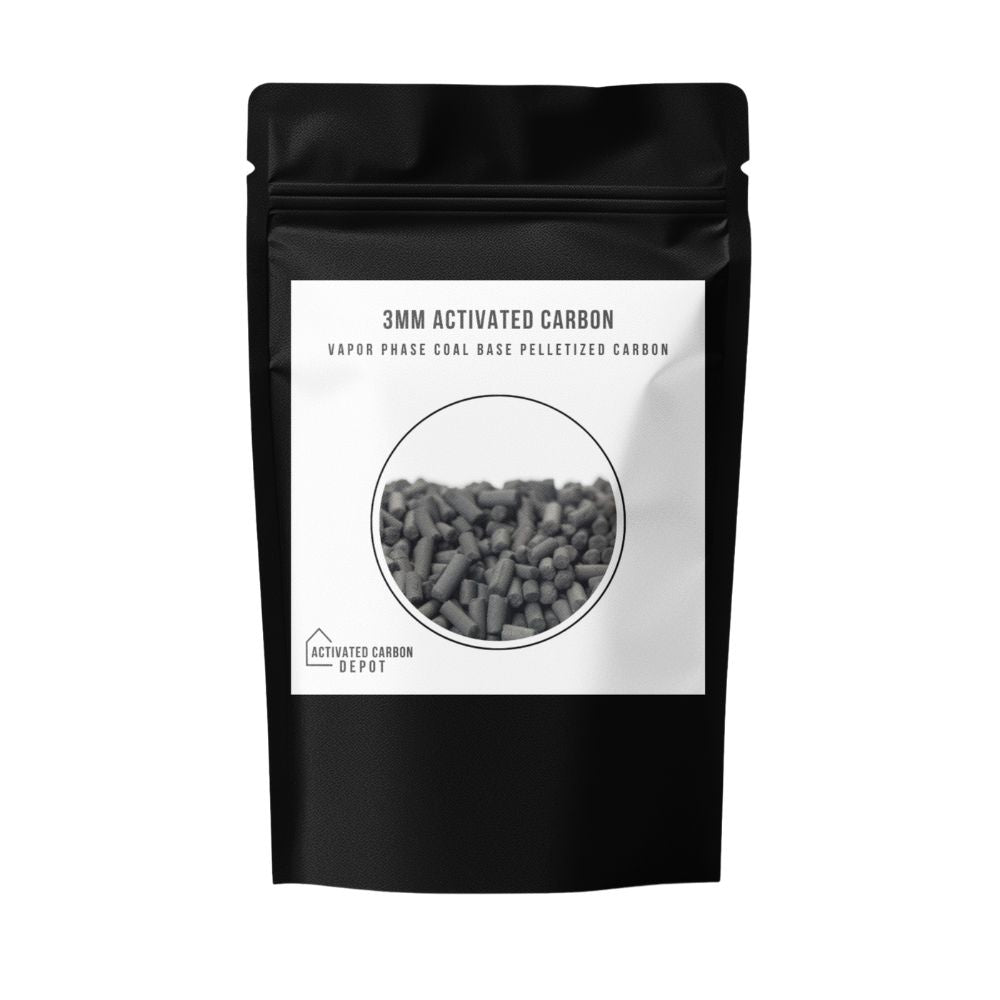
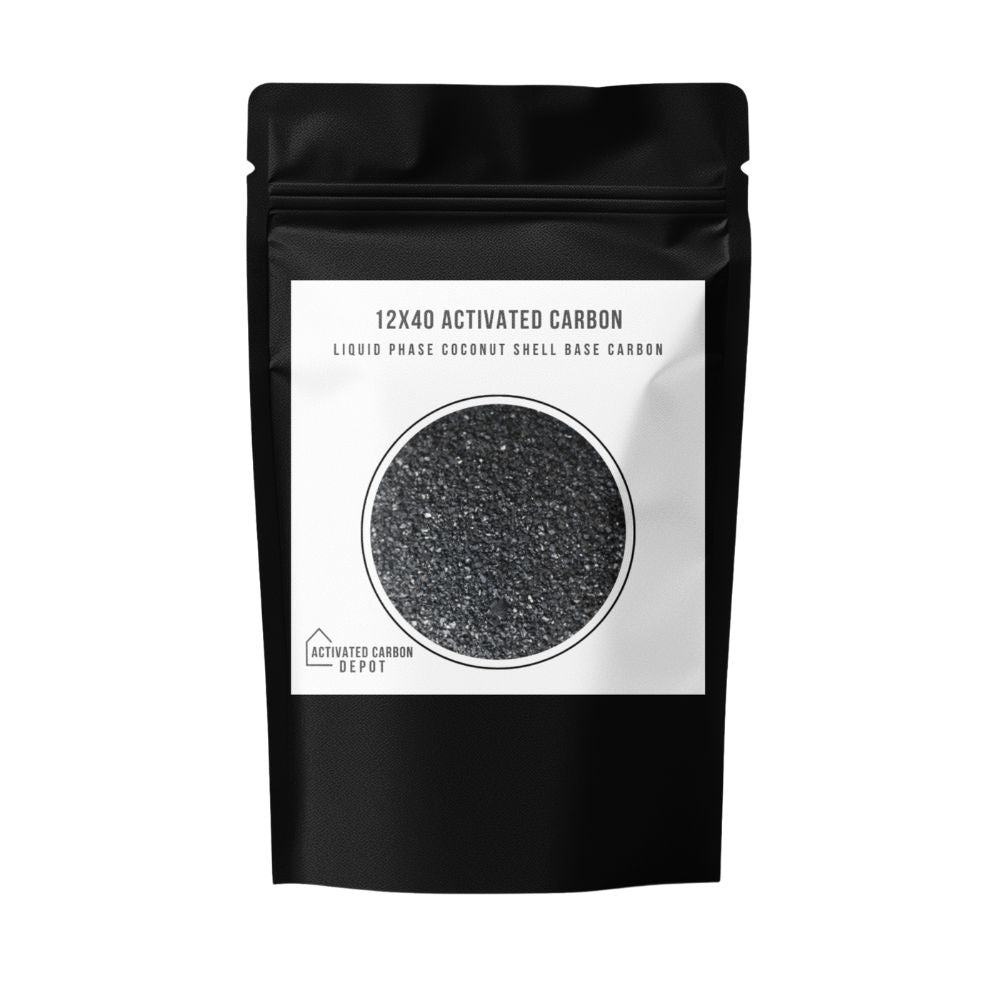
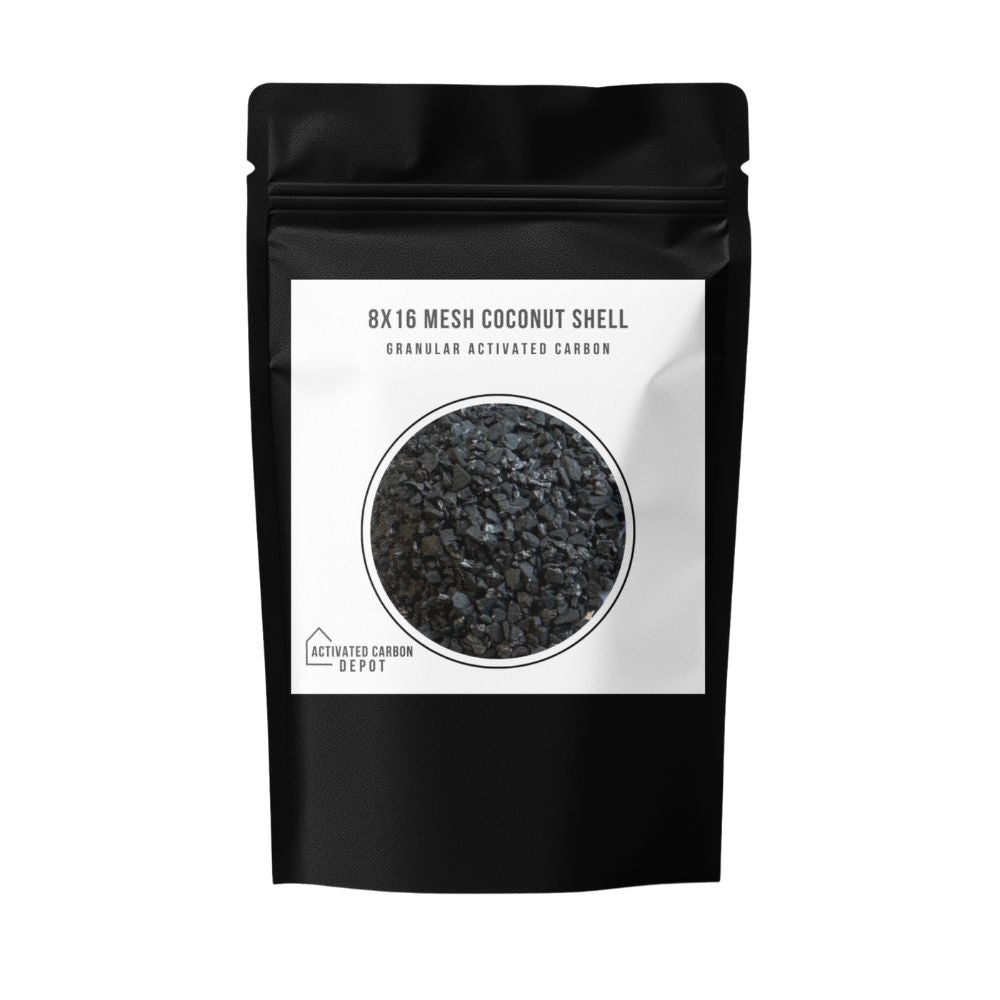
For aquarium filtration, many hobbyists prefer coconut shell activated carbon because it offers high adsorption capacity, excellent microporous structure, low ash content, and strong performance for dissolved organic compounds.
Where Activated Carbon Fits in Your Aquarium Filter
A well-designed aquarium filter typically includes three stages: mechanical filtration (removes fish waste, uneaten food, and suspended particles), biological filtration (beneficial bacteria convert ammonia and nitrite into less harmful nitrate), and chemical filtration—where activated carbon removes dissolved contaminants that pass through the first two stages.
How Often Should Activated Carbon Be Replaced?
Activated carbon has a finite adsorption capacity. Once the microscopic pores become saturated, its effectiveness gradually declines. Many hobbyists replace activated carbon every 3–4 weeks, although schedules vary depending on the aquarium and maintenance routine. Signs it may be time for replacement include water becoming yellow, odors returning, and reduced water clarity.

Why Carbon Quality Matters
One of the most common mistakes we see is using low-quality activated carbon that produces excessive dust or has inconsistent particle sizing. High-quality activated carbon offers better adsorption performance, cleaner operation, consistent particle size, reliable filtration, and longer service life.
Final Thoughts
Maintaining excellent aquarium water quality requires more than one type of filtration. Check out our Activated Carbon for Aquariums: Complete Guide for more information.
Mechanical filtration removes debris. Biological filtration supports the nitrogen cycle. Activated carbon completes the system by removing dissolved organic compounds, odors, tannins, and other impurities that can affect water clarity. When used as part of a complete filtration strategy, activated carbon helps create cleaner, clearer water that both aquarium owners and aquatic life can appreciate.
Shop Activated Carbon for Aquariums
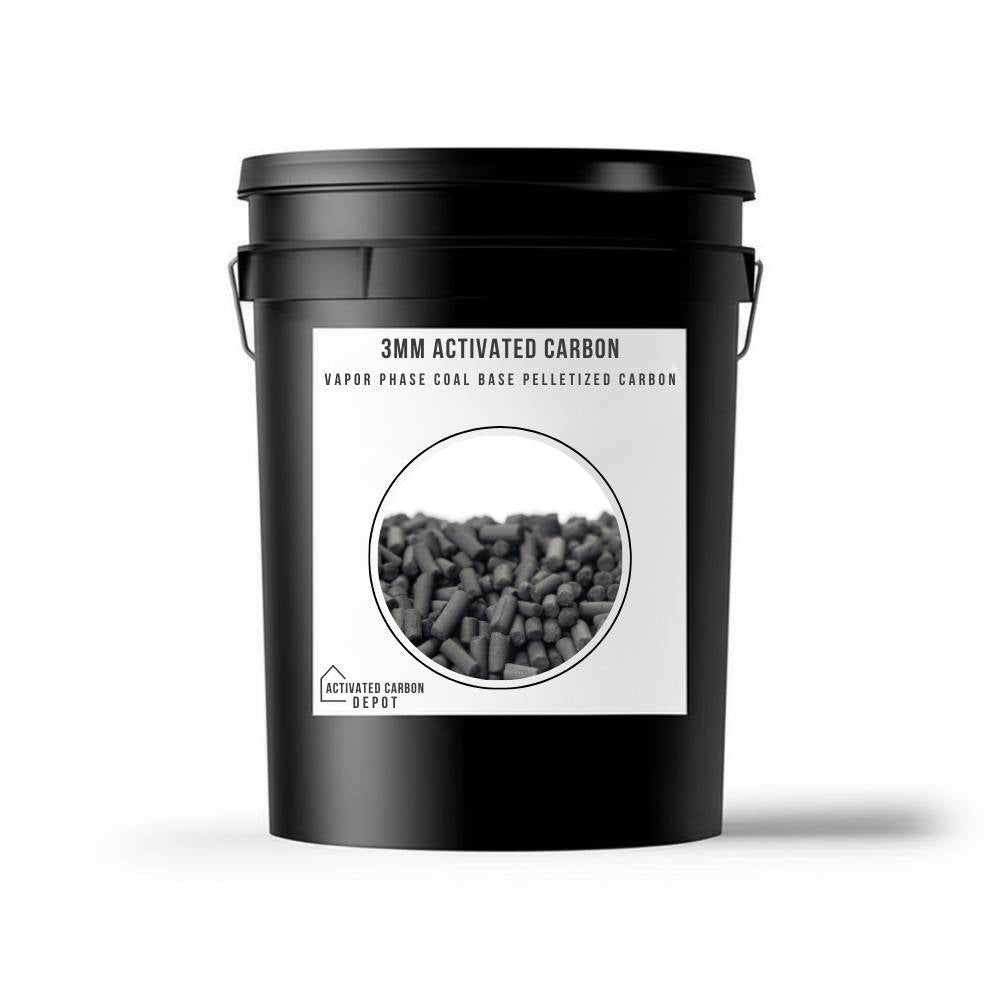
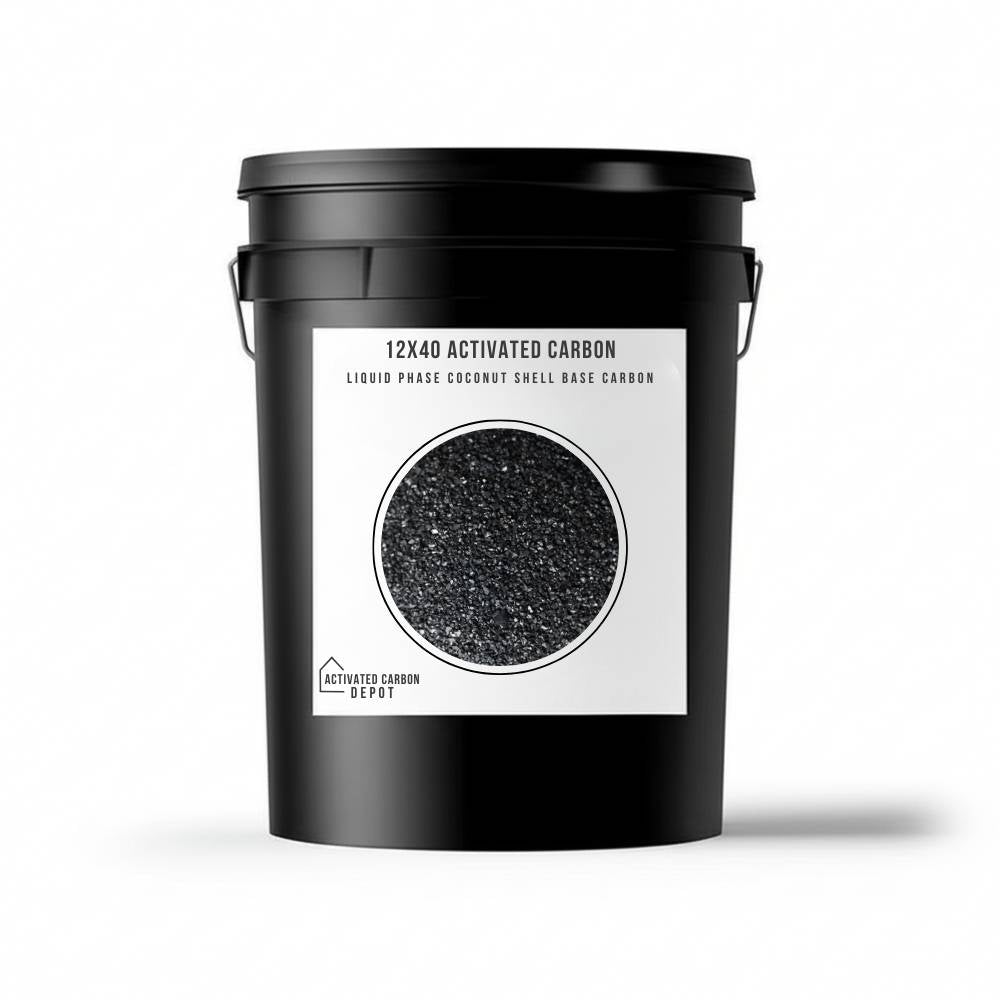
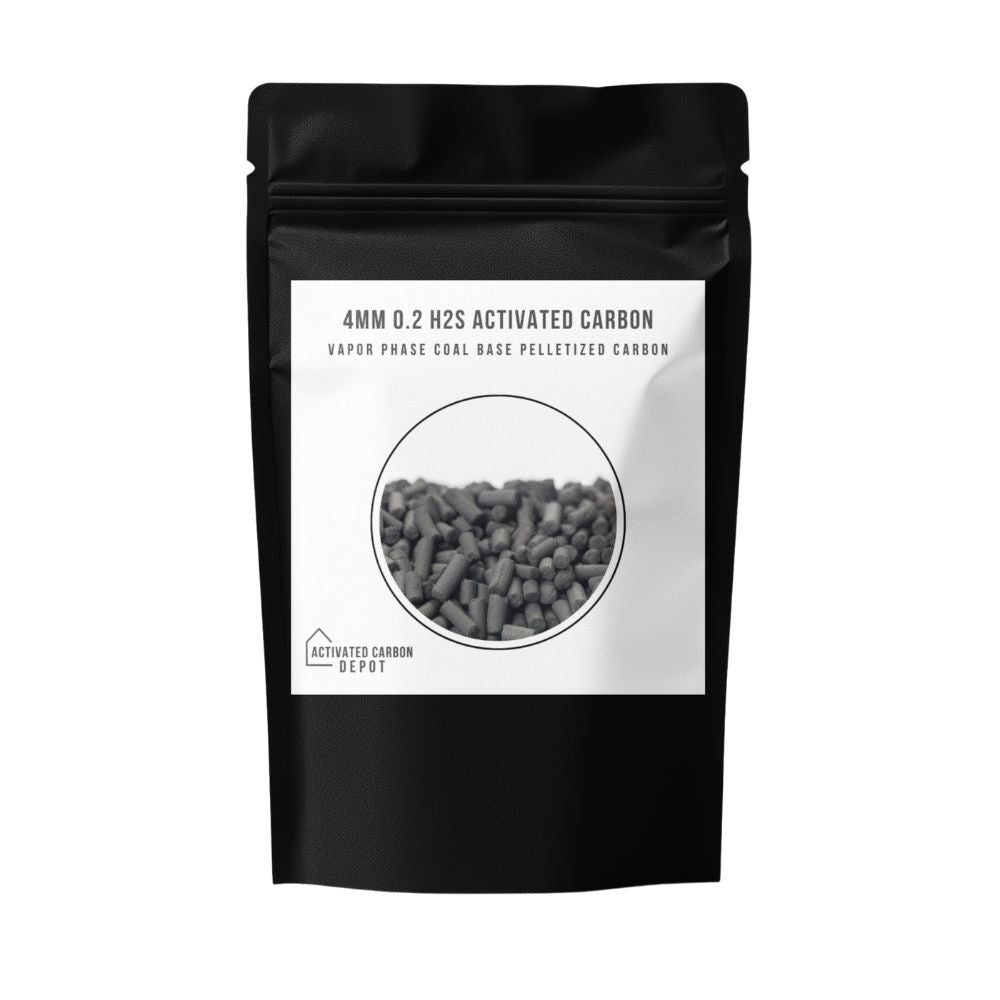
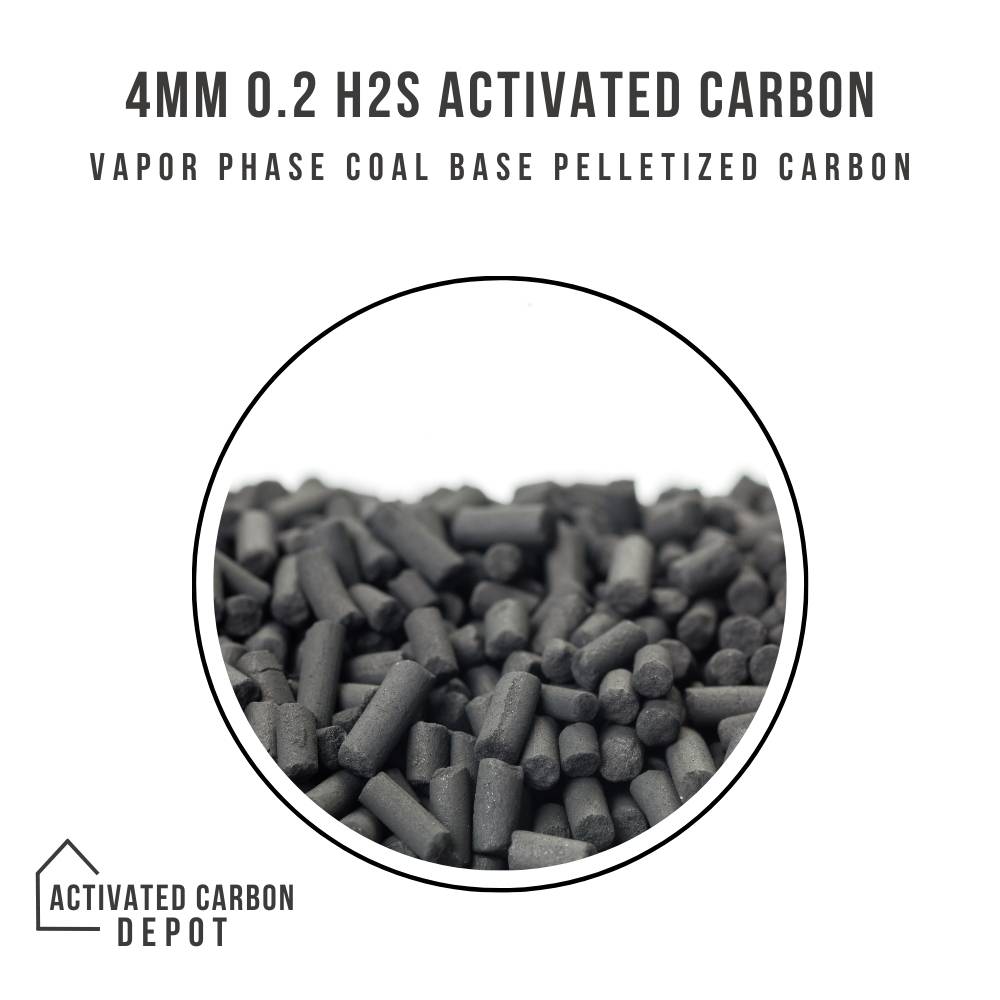
High-quality activated carbon for freshwater and saltwater aquarium filtration — removes tannins, odors, dissolved organics, and residual medications: