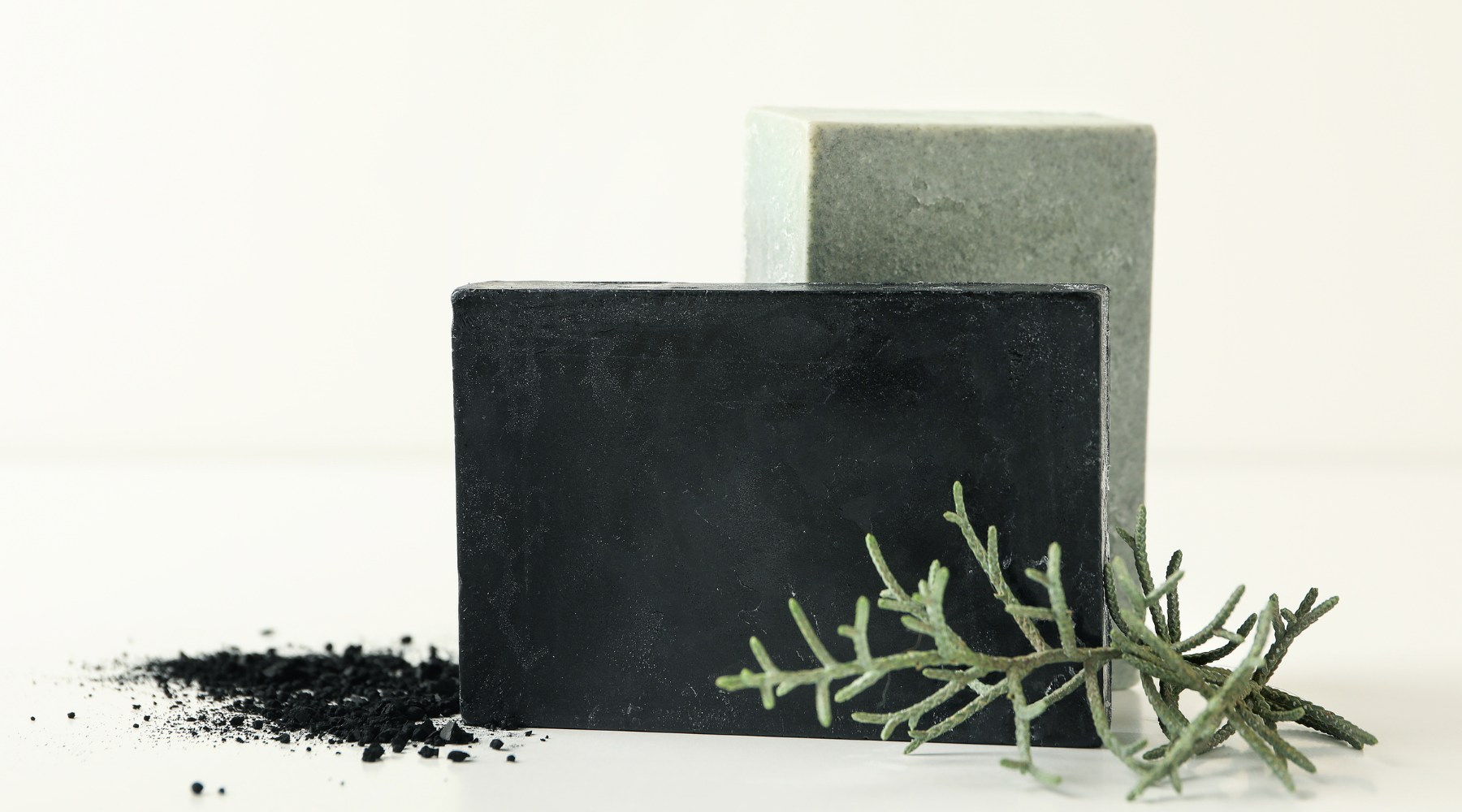
Natural soaps are making a huge comeback—both for their gentle touch on skin and their eco-conscious appeal. One popular ingredient gaining traction in handmade soap recipes is powdered activated carbon. Known for its detoxifying and purifying properties, this fine black powder transforms a simple soap bar into a powerful skincare tool.
In this comprehensive guide, we'll walk you through everything you need to know about making your own activated carbon soap at home. You'll learn about the benefits of coconut shell powdered activated carbon, how it enhances your soap, and how to create your own bars from scratch.
What Is Coconut Shell Powdered Activated Carbon?
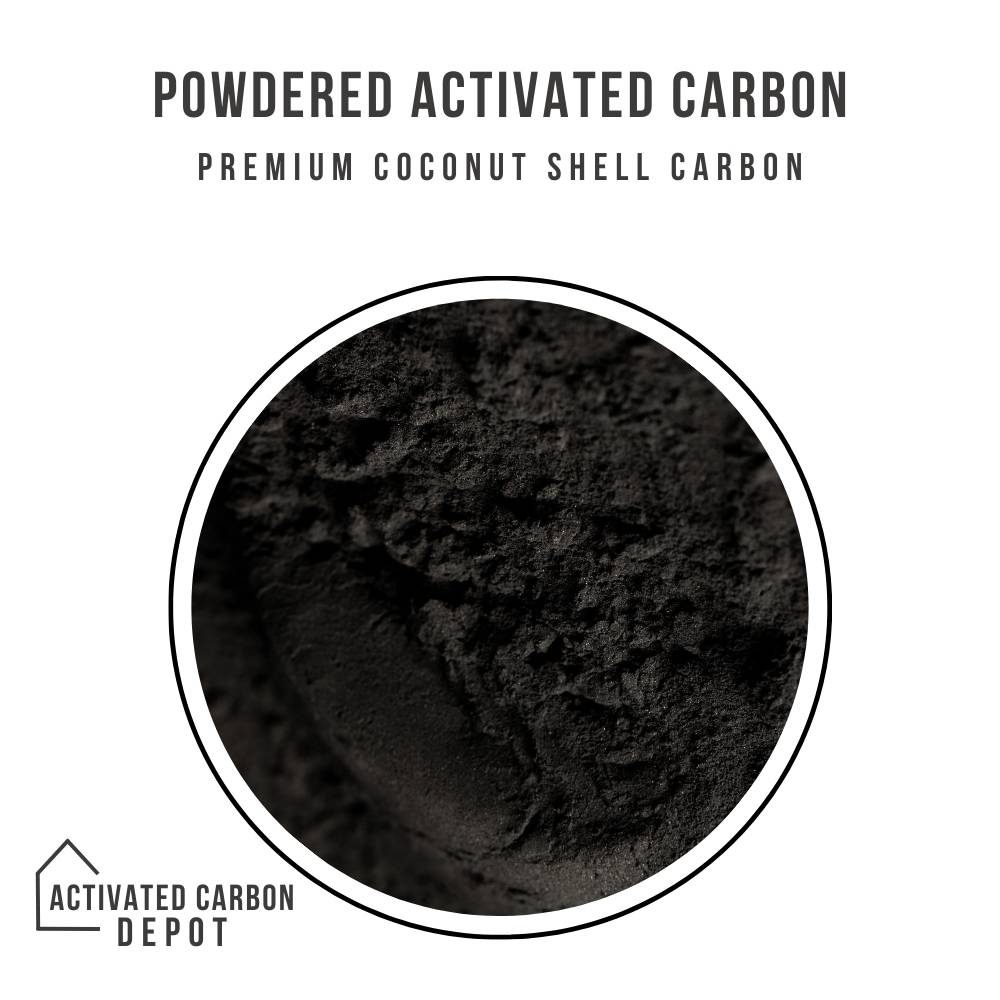
Activated carbon is a form of carbon processed to have tiny, low-volume pores that increase its surface area for adsorption. It's commonly used in air and water filtration, but when ground into a fine powder, it's also incredibly effective in skincare.
Coconut shell activated carbon is created by heating coconut shells to extremely high temperatures in an oxygen-free environment. This process creates a highly porous, ultra-fine powder that's both sustainable and effective. Compared to other types of activated carbon (like those made from coal or wood), coconut shell carbon is more environmentally friendly, cleaner, and often more consistent in quality.
Why Add Activated Carbon to Soap?
Deep Pore Cleansing: The carbon particles bind to dirt, toxins, and oil, pulling them out of the skin.
Oil Control: Perfect for oily or acne-prone skin, it helps balance sebum production without drying you out.
Mild Exfoliation: It gives your soap a slight grit that aids in exfoliation, removing dead skin cells gently.
Detoxifying Properties: It helps remove environmental toxins and bacteria from the surface of the skin.
Aesthetic Appeal: The deep black color gives handmade soaps a bold, modern look that's hard to ignore.
Tools and Supplies You'll Need
Ingredients:
Coconut oil – 10 oz (provides hardness and moisture)
Olive oil – 10 oz (gentle and conditioning)
Castor oil – 2 oz (boosts lather)
Distilled water – 9 oz (for dissolving lye)
Lye (sodium hydroxide) – 4 oz (needed for saponification)
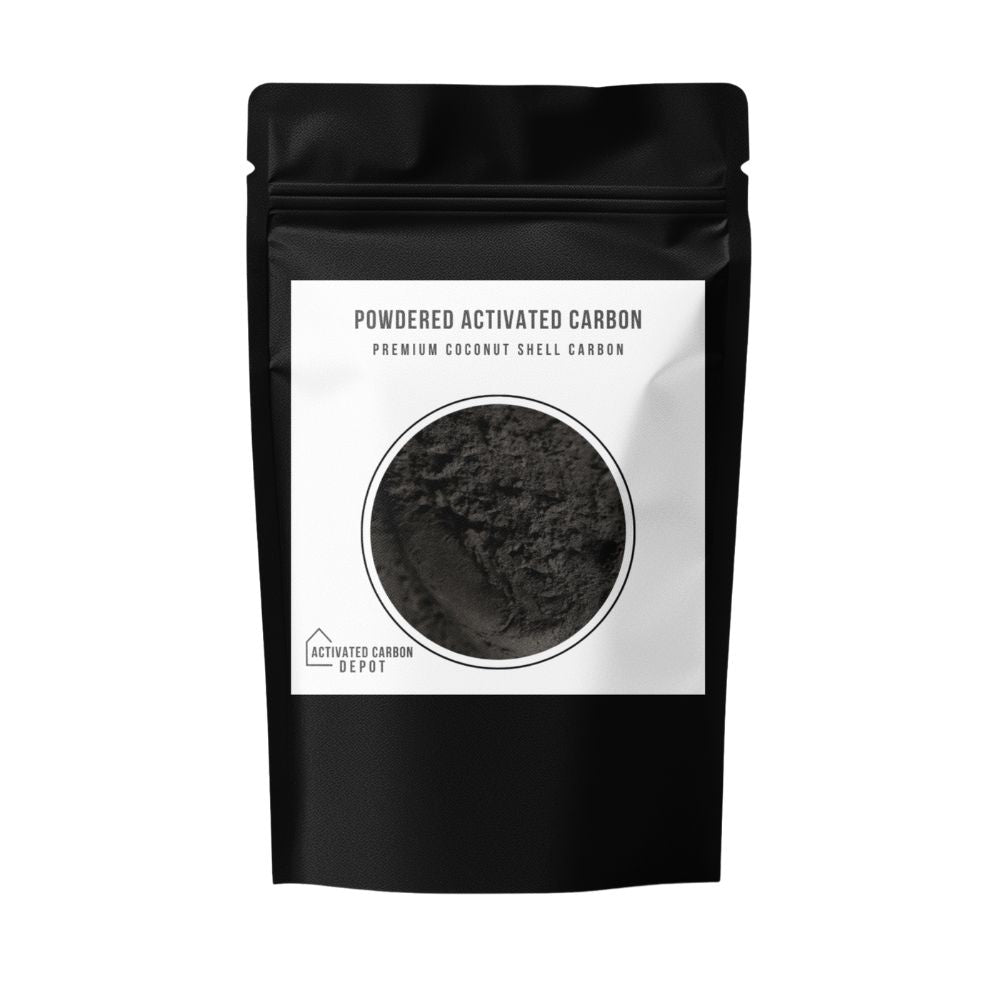
Powdered activated carbon (coconut shell-based) – 1 to 2 teaspoons
Essential oils (optional) – 1 oz total (for fragrance)
Vitamin E oil (optional) – a few drops (as a natural preservative)
Tools:
Digital scale (accuracy is critical)
Safety goggles and gloves
Heat-resistant mixing bowls (glass or stainless steel)
Silicone soap mold or loaf mold
Thermometer (infrared or candy-style)
Stick blender
Spatula
Measuring spoons
Lye-safe container (for mixing water and lye)
Step-by-Step Instructions for Making Activated Carbon Soap
Step 1: Safety First
Lye is caustic and can burn skin or release harmful fumes if mishandled. Always wear gloves and goggles, and work in a well-ventilated area. Keep pets and children away from your workspace.
Step 2: Prepare the Lye Solution
Measure out 9 oz of distilled water into a heat-resistant container.
Slowly add 4 oz of lye (sodium hydroxide) to the water—not the other way around. Stir gently as you pour.
The mixture will heat up rapidly and release fumes—this is normal. Let it sit and cool to around 100–110°F before using.
Step 3: Melt and Mix Your Oils
In a large heat-safe bowl, weigh and combine your coconut oil, olive oil, and castor oil.
Heat the mixture gently until all oils are fully melted and reach a temperature between 100–110°F.
Let both the oils and the lye solution sit until they're within 10°F of each other, ideally around 100°F.
Step 4: Add Activated Carbon to Oils
Now it's time to incorporate the powdered activated carbon for soap making.
Using a fine mesh strainer or sifter, slowly sprinkle 1 to 2 teaspoons of powdered activated carbon into the melted oils.
Use a stick blender or spatula to mix it thoroughly until no clumps remain.
You should see the oil take on a rich charcoal color. Add more carbon for a darker tone or to increase exfoliating texture.
Step 5: Combine Lye and Oils
Slowly pour the cooled lye solution into the carbon-infused oils.
Insert your stick blender and pulse in short bursts. Alternate with stirring to avoid over-blending.
Continue blending until the mixture reaches "trace"—when it's the consistency of pudding and leaves a visible trail when dripped across the surface.
Step 6: Add Fragrance (Optional)
Add your essential oils (up to 1 oz total) and mix gently.
Optional: Add vitamin E oil for additional skin benefits and shelf life extension.
Step 7: Pour into Mold
Pour the soap batter into your mold.
Tap the mold on the counter to remove air bubbles.
Smooth the top with a spatula or create textured designs.
Step 8: Cure and Cut
Cover the mold with a towel or lid and let it sit for 24–48 hours in a cool, dry place.
Once firm, unmold the soap and cut it into bars using a knife or soap cutter.
Allow the bars to cure for 4 to 6 weeks on a breathable surface, turning occasionally to ensure even drying.
Tips for Success
Start small. When trying a new recipe, make a small batch first.
Test essential oils. Some scents don't play well with carbon or may fade during curing.
Watch for acceleration. Activated carbon can speed up trace—don't walk away while blending.
Store powdered carbon properly. Keep it sealed and dry to avoid clumping and contamination.
The Bottom Line
Powdered activated carbon—especially from sustainable coconut shells—adds serious value to your homemade soap. With its detoxifying abilities, natural appeal, and skin-enhancing properties, it's a must-try ingredient whether you're making soap for personal use, gifts, or even a small business.
Shop Activated Carbon for Soap Making
Get the perfect fine-grade activated carbon for your DIY soap and skincare projects: