
Activated Carbon in the Cosmetic Industry: Uses in Beauty and Skincare Products
Activated carbon, often referred to as activated charcoal, is a highly porous material known for its exceptional ability to trap toxins, chemicals, and impurities. Through a process called adsorption, it binds to unwanted substances on the skin and within pores, making it an ideal ingredient in modern beauty and skincare formulations. Thanks to its detoxifying qualities and deep-cleansing power, activated carbon has become a staple in many cosmetic products designed to enhance skin clarity, health, and appearance.
In this article, we explore how activated carbon is used across various cosmetic applications, its unique benefits, and why its role in the beauty industry continues to expand.
What Is Activated Carbon?
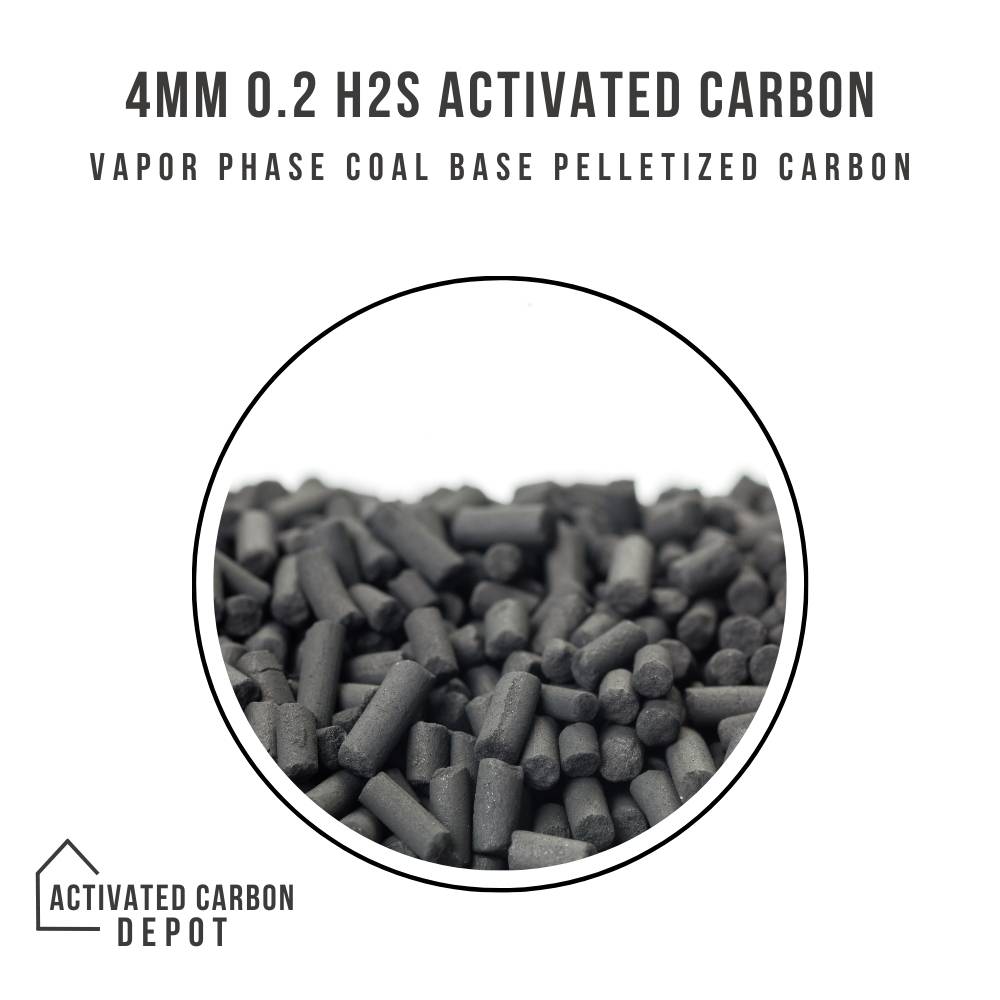
Activated carbon is produced by heating carbon-rich materials like coconut shells, wood, or coal at high temperatures in an oxygen-free environment. This process, known as thermal activation, develops a fine internal pore structure that gives the carbon an incredibly large surface area. The result is a highly adsorptive material that can attract and trap toxins, bacteria, dirt, oils, and other impurities.
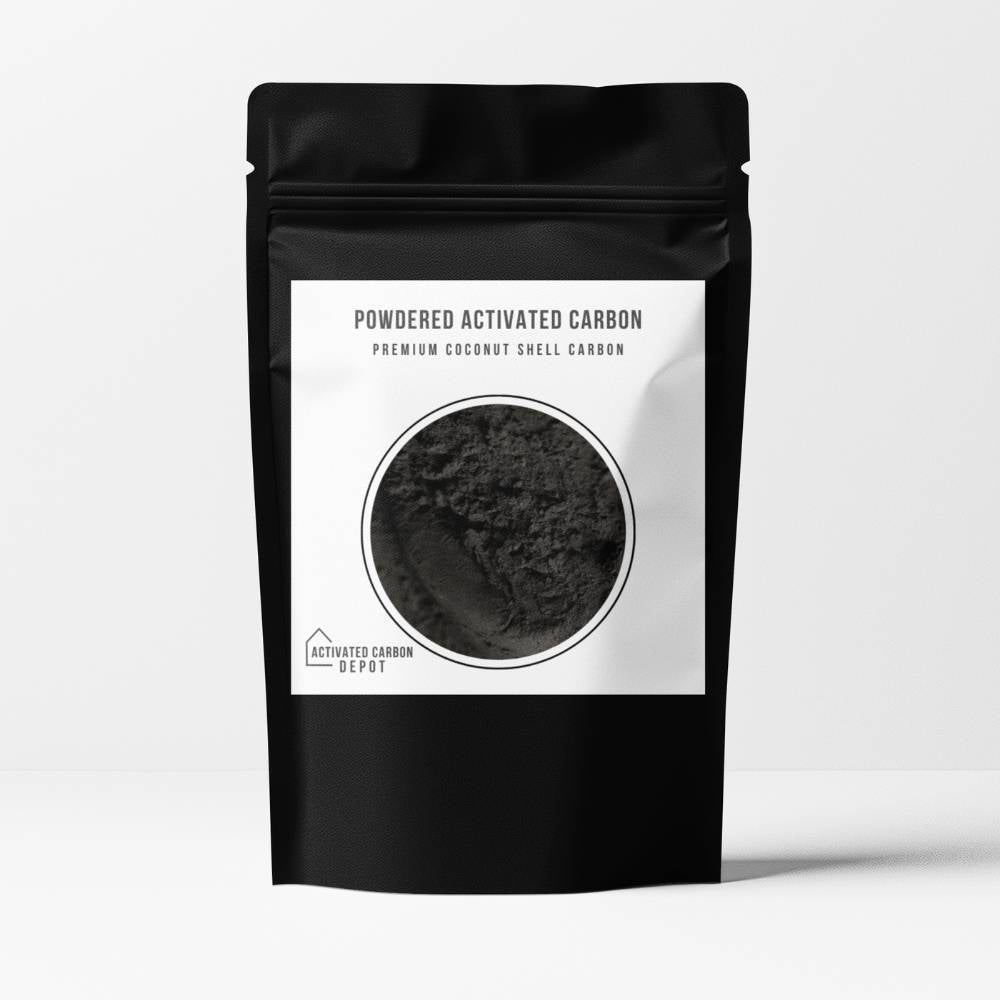
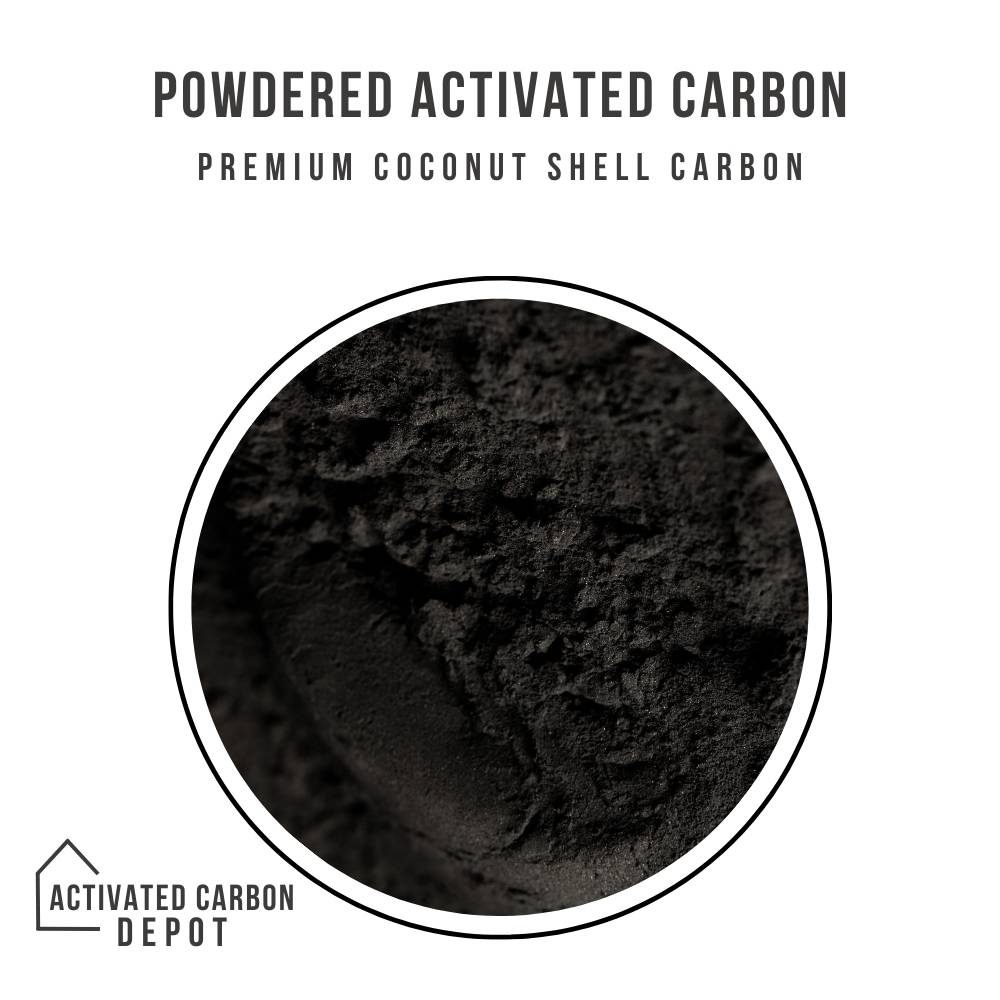
In the cosmetic industry, the most commonly used forms of activated carbon are powdered and fine granule formats. These are typically acid-free and derived from natural sources to ensure skin safety and product purity.
Key Uses of Activated Carbon in Beauty and Skincare Products
1. Facial Cleansers and Face Masks
Activated carbon is widely used in facial cleansers and masks to draw out impurities from pores. It helps remove excess oil, dead skin cells, and environmental toxins, making it especially beneficial for acne-prone or oily skin types. When combined with ingredients like clay or salicylic acid, the detoxifying effect is amplified.
2. Exfoliating Scrubs
Thanks to its fine texture, powdered activated carbon can be added to facial or body scrubs to provide mild exfoliation. It helps slough away dull, dead skin layers and can assist in brightening the skin tone.
3. Soaps and Body Washes
Charcoal soaps have become popular for their purifying and deodorizing qualities. They are often used to cleanse the body after workouts or heavy perspiration. Activated carbon in soap binds with surface-level impurities and bacteria, leaving the skin feeling refreshed.
4. Shampoos and Scalp Treatments
Activated carbon is included in some shampoos and scalp masks to remove buildup from styling products, excess oils, and pollutants. It helps to maintain a clean scalp environment, which is beneficial for those experiencing dandruff or an itchy scalp.
5. Toothpastes and Whitening Powders
One of the earliest cosmetic uses of activated carbon was in oral care. Charcoal-based toothpastes are popular for their stain-lifting ability. The carbon adsorbs surface stains on teeth, helping to naturally whiten without harsh abrasives.
6. Deodorants
Because of its odor-neutralizing capabilities, activated carbon is often added to natural deodorants. It works by trapping odor-causing bacteria and moisture, making it a powerful alternative to aluminum-based formulas.
7. Pore Strips and Nose Masks
These targeted skincare products use activated carbon to extract blackheads and whiteheads from the nose and other oily zones. The carbon bonds with impurities inside the pores and pulls them out as the strip is removed.
Benefits of Activated Carbon in Cosmetics
Deep Cleansing: Reaches into pores to remove dirt, oil, and toxins that regular cleansers miss.
Natural and Non-Toxic: Derived from natural sources, making it suitable for sensitive skin formulations.
Odor Control: Neutralizes body odors without synthetic fragrances.
Versatile: Compatible with a wide range of cosmetic formulations and skin types.
Eco-Friendly: Biodegradable and sustainably sourced when derived from coconut shells or wood.
Conclusion
Activated carbon has earned its place as a powerhouse ingredient in the cosmetic industry. From deep-cleansing face masks to natural deodorants and whitening toothpastes, its adsorptive properties make it uniquely effective at purifying skin, neutralizing odors, and improving overall appearance. As consumers continue to seek clean, natural beauty solutions, activated carbon is well-positioned to remain a key ingredient in innovative skincare and personal care products.
Shop Activated Carbon for Cosmetic Use
High-purity, fine-grade activated carbon ideal for soaps, masks, scrubs, and personal care formulations: